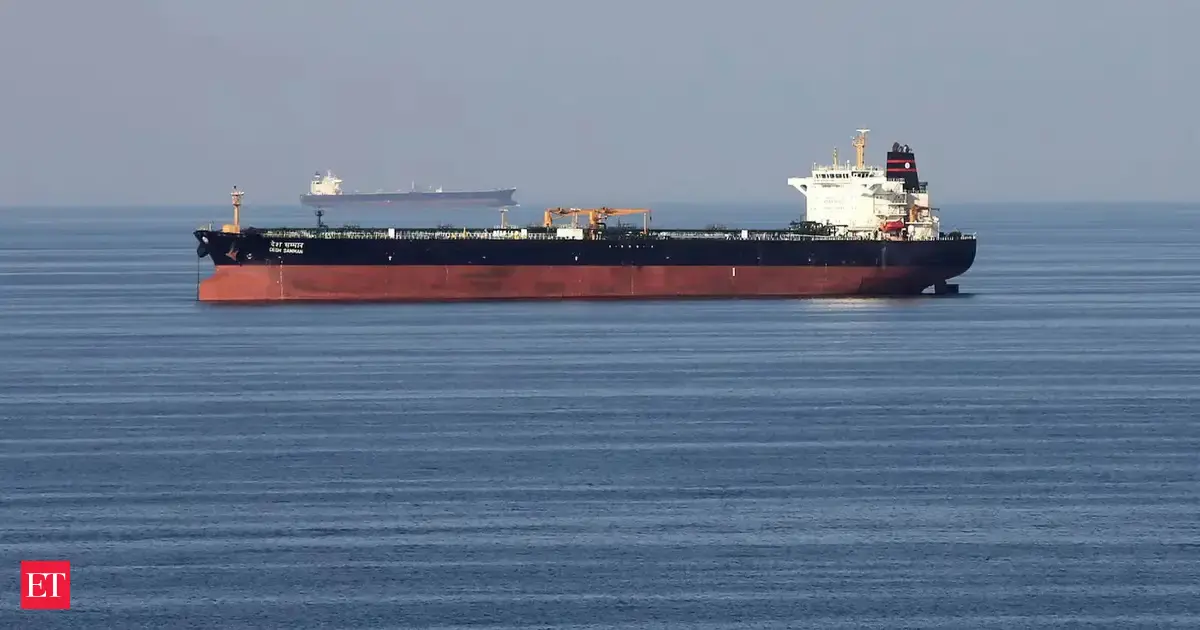
India’s foreign ministry said 11 India-bound vessels crossed the Strait of Hormuz after a June 17 US-Iran memorandum of understanding, easing pressure on a key route for energy and fertilizer shipments.
India’s Ministry of External Affairs said 11 India-bound vessels crossed the Strait of Hormuz after a June 17 memorandum of understanding between the United States and Iran, marking the first concrete update on how the reopening of the waterway was affecting Indian shipping.
The briefing came on June 23 as New Delhi tracked a sensitive stretch of maritime traffic that had been disrupted during weeks of conflict in the Gulf. The Strait of Hormuz is one of the world’s most important shipping chokepoints, and any interruption there can quickly affect oil flows, freight costs and supply chains across Asia.
According to MEA spokesperson Randhir Jaiswal, the 11 vessels that crossed after the agreement included three India-flagged crude oil tankers carrying 2,85,000 metric tons of crude oil each, one foreign-flag LPG carrier, one foreign-flag crude oil tanker and six foreign-flag bulk carriers carrying fertilizer.
Jaiswal also said 10 Indian-flagged vessels were still in the Persian Gulf region at the time of the briefing, while two Indian ships had crossed from the Indian side into the Gulf. The figures suggest that traffic was resuming, but that India still had commercial exposure in the region.
Chronology
The key turning point in the MEA’s account was the June 17 US-Iran memorandum of understanding. The June 23 update from India was the first reported count tying that agreement to resumed transits by India-bound vessels through Hormuz.
Economic Times carried the MEA briefing as the initial report on the tally, and later coverage on June 24 highlighted India’s broader welcome for the reopening of the route. The latest update did not describe a full return to normal, but it did provide a concrete sign that commercial movement through the strait was recovering.
India’s national security adviser Ajit Doval separately said India welcomed the US-Iran MoU and described the opening of the Strait of Hormuz as a welcome development. That reaction reflects how closely the route is tied to India’s energy security and maritime trade.
Why It Matters
India depends heavily on shipping lanes through Hormuz for crude oil, liquefied petroleum gas and other cargoes. A prolonged disruption can increase insurance premiums, delay deliveries and push up logistics costs for importers and refiners.
The cargo mix in the MEA briefing also showed that the impact went beyond oil. The six bulk carriers were transporting fertilizer, underscoring how disruption in the Gulf can ripple into agriculture and other supply chains, not just fuel markets.
The UN’s International Maritime Organization said more than 11,000 sailors were stranded in the Strait of Hormuz amid the conflict and that it had verified conditions for safe navigation for an evacuation effort. That broader picture shows the scale of the shipping disruption that has only begun to ease.
India has also been sensitive to the human toll of the crisis. Earlier reporting in June said New Delhi protested after US strikes killed three Indian seafarers in the Gulf, adding urgency to calls for a return to safer navigation.
What To Watch
The immediate question is whether the reopening remains durable. A single day or single briefing showing resumed crossings does not by itself guarantee stable conditions for commercial traffic.
The next indicators will be whether the remaining Indian-flag vessels in the Persian Gulf clear the area, whether shipping and insurance conditions improve, and whether any new routing or safety arrangements are announced for civilian vessels.
For India, the practical test is whether the reopening translates into sustained relief for energy imports and freight movement. For the wider region, the answer will help determine how quickly confidence returns to one of the world’s most strategically important waterways.
Revision note
Initial automated publication with fuller verified chronology, stakes and shipping context.