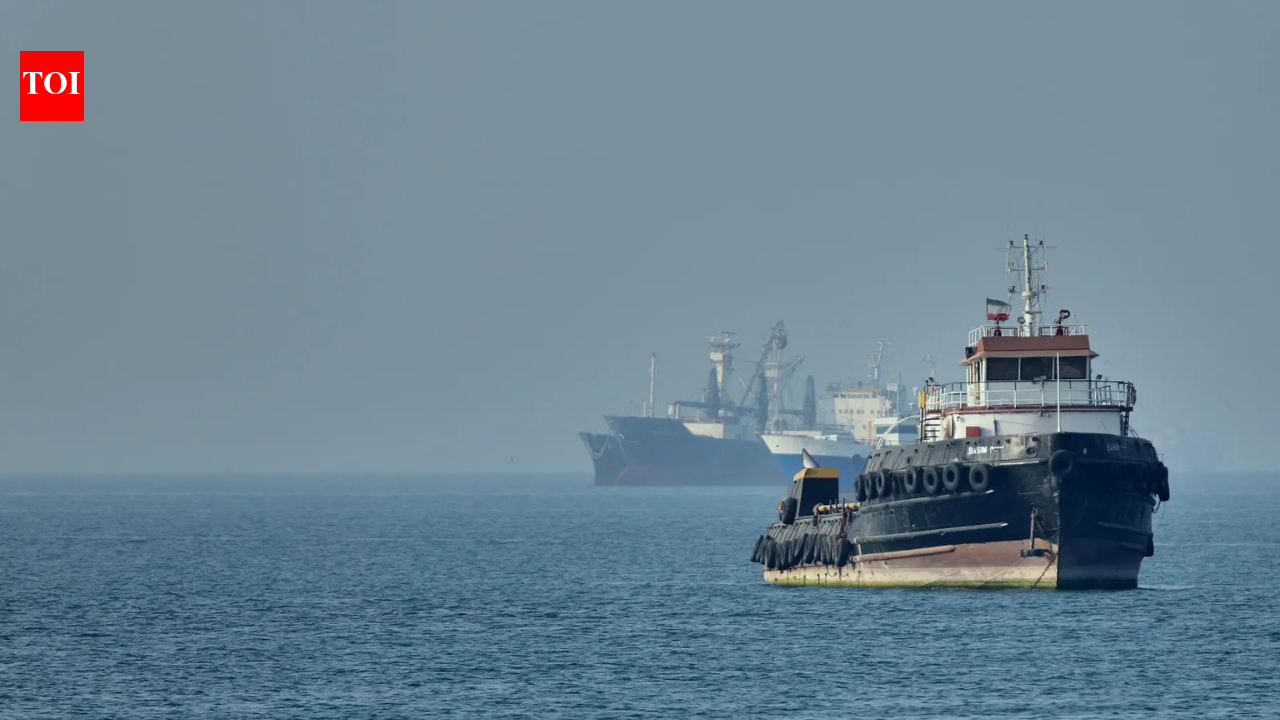
Seven India-bound cargo ships crossed the Strait of Hormuz in the past 72 hours, while 15 more vessels of Indian interest remain queued in the Persian Gulf, according to fresh reporting and Indian official comments.
Partial reopening, not normal flow
Seven India-bound cargo ships crossed the Strait of Hormuz in the past 72 hours, while 15 more vessels of Indian interest were still waiting for safe passage in the Persian Gulf, according to fresh reporting published on Sunday.
The latest counts point to a corridor that is moving again, but only unevenly. Shipping through the chokepoint is recovering after weeks of disruption, yet cargo operators are still dealing with security risk and limited routing capacity.
The Strait of Hormuz is one of the world’s most important shipping lanes and a critical route for India’s energy and bulk imports. Delays there can quickly ripple through supplies of crude, LPG, LNG, fertilisers and other cargoes.
What the latest counts show
Times of India reported that nine India- and foreign-flagged ships crossed the strait in the past 72 hours, and seven of those were carrying cargo bound for India. The report said 44 ships carrying cargo for India had transited the route as of Saturday since the conflict began on February 28, 2026.
The same report said 15 vessels of Indian interest were awaiting safe passage in the Persian Gulf, including 10 India-flagged vessels. Among the waiting vessels, four were carrying fertilisers and one was carrying energy cargo.
That queue is smaller than earlier in the week, but it still shows the corridor is not yet back to normal. The recovery is happening vessel by vessel, not as a clean reopening.
How the route reopened
The disruption began during the Iran-U.S. conflict, which sharply reduced traffic through the waterway. After a June 17 U.S.-Iran memorandum of understanding, vessel movement started to recover.
Associated Press reported on June 18 that shipowners had begun moving vessels through Hormuz again, but the main central route remained closed. Ships were being pushed onto narrower northern and southern alternatives instead.
Those alternative passages have less capacity than the central corridor. That helps explain why the queue is clearing only gradually, and why AP said a full reopening could take weeks or months.
India’s position and the backlog
An Economic Times report citing Ministry of External Affairs spokesperson Randhir Jaiswal said 11 India-bound vessels had crossed the Strait of Hormuz since the June 17 agreement. That report said 10 Indian-flagged vessels were still in the Persian Gulf, with two more Indian ships having crossed into the Gulf from the other side.
Earlier reporting on June 25 said 30 India-bound ships had crossed the strait and 26 were still waiting. It also said 19 transits occurred between March 1 and June 17, and 11 more crossed after the June 17 Iran-U.S. memorandum of understanding.
That June 25 report said about half of the 30 transiting vessels carried LPG or LNG, while eight were bulk cargo ships and seven were crude tankers. The latest update adds that the waiting queue still includes fertiliser and energy cargoes.
Why it matters
The backlog matters because the Strait of Hormuz is not just a geopolitical flashpoint. It is also a practical choke point for Indian trade, especially for fuel and industrial imports that depend on timely maritime transit.
If vessels have to wait longer or keep using reduced-capacity routes, freight costs and insurance costs can stay elevated. That can then feed into delays for downstream cargoes and inventory planning.
The corridor is also vulnerable to sudden reversal. Any renewed security incident could quickly worsen congestion and force more vessels to divert again.
What to watch next
The immediate question is whether the 15-vessel queue clears over the next 24 to 72 hours or remains stuck as carriers rely on the narrower alternative routes.
Indian officials and shipping sources are likely to keep watching for any fresh advisory from New Delhi, any change in vessel routing, and whether more carriers begin using the central Hormuz corridor again.
For now, the latest data points to partial recovery rather than a full return to normal. Cargo is moving again, but the Strait of Hormuz remains constrained and exposed to renewed disruption.
Revision note
Initial automated publication.