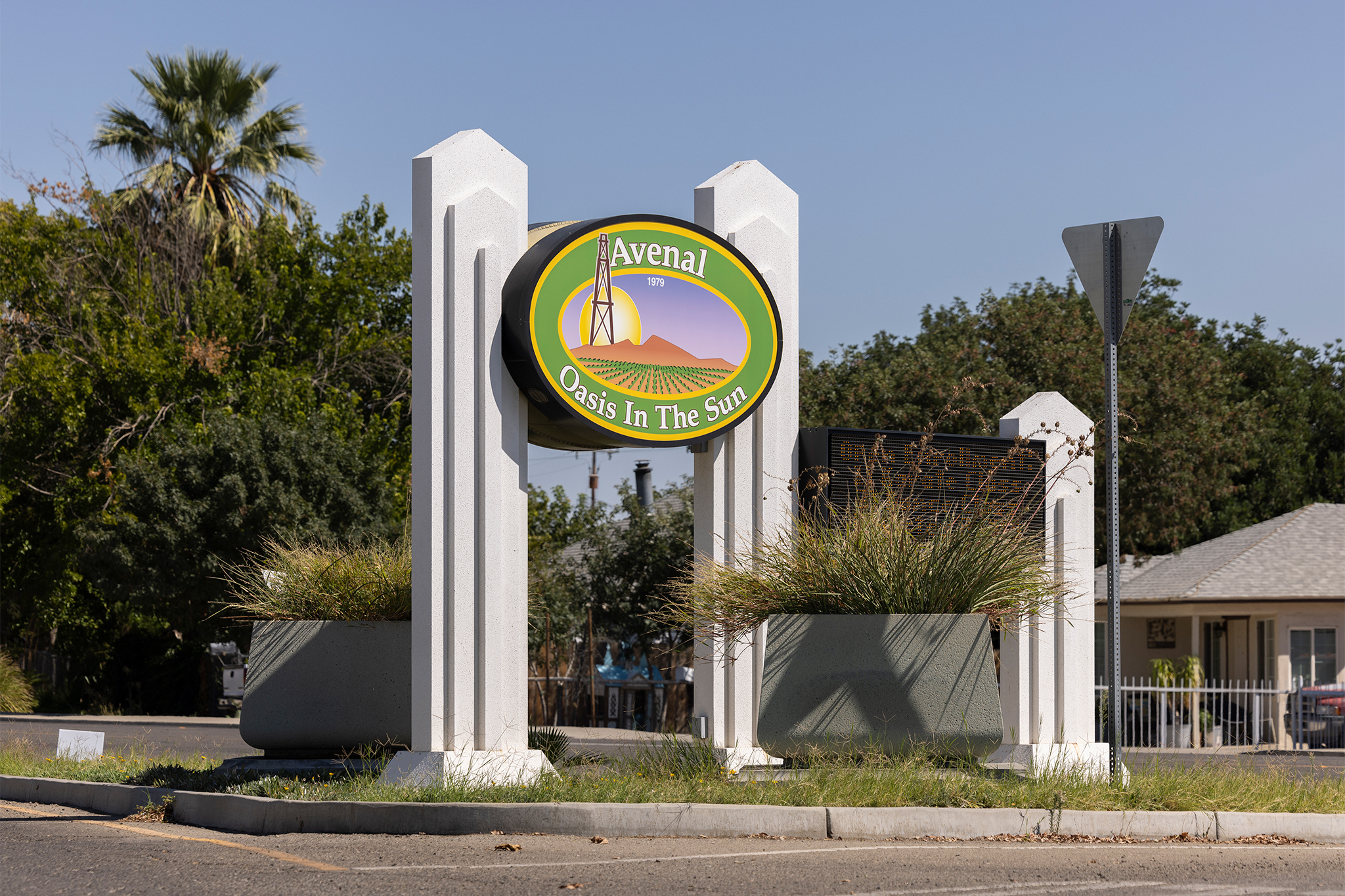
Avenal’s recalled mayor and three council members are still refusing to leave office after Kings County certified an April special-election recall and later ordered them to stop using public funds, deepening a legal fight over who has authority to govern.
Avenal’s political crisis has moved far beyond the ballot box.
The small Kings County city is now caught in a fight over whether voters, county officials or the recalled leaders themselves have the final say. After an April special election removed the mayor and three city council members, the officials have refused to step aside, setting up a standoff over authority, public money and the legitimacy of the recall.
Kings County certified the recall results in May. But the county later escalated the dispute with a cease-and-desist order saying the recalled officials were unlawfully in office and could not use public funds while the challenge continued.
How the recall began
The conflict traces back to a vote by the Avenal City Council to create a city-run fire department. That decision would more than double annual fire fees, according to the reporting.
Residents who supported the recall said they objected to the fire-department move and to what they described as a lack of transparency around how it was handled. The backlash turned into a recall campaign and then a special election on April 28, 2026.
In that election, voters recalled Mayor Alvaro Preciado and councilmembers Leticia Gamez, David Reynosa and Pablo Hernandez. The recall reportedly passed with more than 75% support.
Kings County certified the results in May, which should have settled the matter on paper. Instead, it became the starting point for a deeper fight over who had authority to run the election in the first place.
Why the recalled officials stayed put
The recalled officials have refused to leave office. Their central argument is that the election was illegal because it was not sanctioned by the city and was instead conducted by Kings County.
That position has turned the recall into a broader jurisdictional dispute. The officials are not just rejecting the outcome; they are challenging the process itself and the county’s role in administering it.
The result is an unusual split in authority. The county says the recall stands. The recalled officials are still acting as if they remain lawfully in office.
Richard Verdugo, the one council member not recalled, has said the election was legitimate and urged the recalled members to step down.
The county response
Kings County authorities responded with a more aggressive legal posture on June 5, when District Attorney Sarah Hacker and Sheriff Dave Putnam issued a cease-and-desist order.
The order said the recalled officials were unlawfully in office and barred them from using public funds. That moved the dispute from a political argument into an active enforcement fight over what the council can legally do while the recall is contested.
The county side has also raised Brown Act-related concerns, adding a public-meeting and governance layer to the controversy. In practical terms, the issue is no longer only who won the recall, but whether the officials can continue exercising city authority at all.
The order also raises the stakes for routine city business. If the recalled leaders are barred from using public funds, that affects what they can authorize and how the city can function while the dispute remains unresolved.
The legal path ahead
A quo warranto process is underway to remove the officials permanently, but that process requires approval from the California attorney general.
That makes the state the next major gatekeeper in the dispute. If the attorney general authorizes the case, the question of who lawfully holds office could be tested in court. If not, the standoff could continue without a definitive resolution.
The open legal question is bigger than Avenal’s local fight. It reaches into the mechanics of California recall law, including who can administer a recall, who can challenge it and what happens when the officials targeted by voters refuse to leave.
What residents pushed back against
The recall did not emerge from a vacuum. It grew out of the city council’s fire-department vote and the planned fee increase, which became a flash point in the city.
Supporters of the recall say they were reacting not only to the policy itself but also to the process behind it. They argued that residents were not given enough transparency on a decision that would have a direct financial impact on households and businesses.
That anger helped power the special election and the overwhelming vote to remove the mayor and three council members. But the vote did not end the fight because the recalled officials rejected the county’s authority to carry it out.
The standoff in public view
The dispute remained active after the recall vote and certification, and it was still visible in June. On June 11, the recalled council members met for a normal council meeting despite the conflict.
That meeting prompted public outrage and underscored how unsettled the situation had become. Avenal is now operating in a gray zone where rival claims of legitimacy are colliding in real time.
At the center of the standoff are Mayor Alvaro Preciado, Leticia Gamez, David Reynosa and Pablo Hernandez on one side, and Kings County officials on the other. The county’s position is that the recall took effect and the officials are no longer entitled to govern.
The city’s remaining council member, Verdugo, has aligned with that view. But the recalled majority has continued to resist, leaving the city’s governance tied up in a broader legal fight.
What happens next
The most immediate next step is the quo warranto process, along with any action from the California attorney general.
Beyond that, the key unknowns are whether a court steps in, whether county officials release more of the legal record behind the cease-and-desist order and whether the recalled officials continue to hold meetings and spend city money while the dispute is unresolved.
For now, Avenal remains split between elected officials who say the recall was invalid, county authorities who say the officials are unlawfully holding office and residents still waiting for the city’s leadership crisis to be settled.
Revision note
Initial automated publication with expanded chronology and legal context.