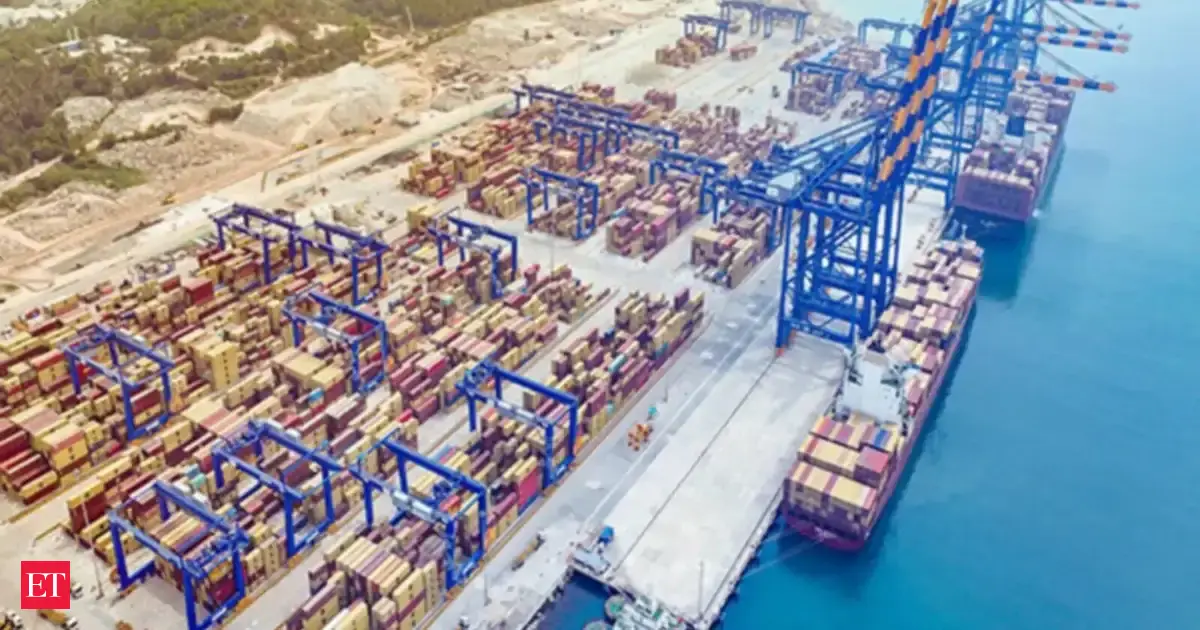
Adani Ports has agreed to sell a 49% stake in Adani Vizhinjam Port Private Limited to MSC’s Terminal Investment arm for about $1.4 billion, valuing the Kerala transshipment port at roughly $2.85 billion. The transaction is subject to customary approvals and is expected to support Vizhinjam’s ramp-up and Adani’s East Africa-linked trade strategy.
Adani Ports has agreed to sell a 49% stake in Adani Vizhinjam Port Private Limited to Mediterranean Shipping Company’s Terminal Investment Limited, or TiL, for about $1.4 billion.
The transaction values the Vizhinjam project in Kerala at about $2.85 billion, according to reporting on the deal. Adani described the agreement as definitive, and it still needs customary approvals before closing.
The sale brings one of the world’s largest shipping groups deeper into a flagship Indian port project that is still ramping up operations. Reporting described the deal as the largest foreign private investment in Indian port infrastructure.
What Adani Is Selling
The stake sale covers 49% of Adani Vizhinjam Port Private Limited, the company developing and operating the port. The buyer is MSC’s port investment arm, TiL.
Some reporting described the corporate route slightly differently, saying Adani signed with Mundi Limited, a MSC subsidiary, under which TiL will make the investment. The economic outcome is the same: MSC-linked capital is taking a minority stake in the port asset.
Adani Ports and MSC already have two other port partnerships, according to reporting, and this deal extends that relationship at Vizhinjam.
Why Vizhinjam Matters
Vizhinjam is a deep-water transshipment port on India’s southwest coast in Kerala. It is a strategic asset because it is designed to handle container cargo that can be moved through larger shipping networks rather than only serving local traffic.
The port is also central to Kerala’s push to become more important in transshipment logistics. Reporting cited current capacity of about 1.6 million TEUs, with a planned increase to 5.7 million TEUs by the end of 2028.
That expansion matters because Vizhinjam is still in an early growth phase. A strategic partner with global shipping reach could help accelerate volume ramp-up if the transaction closes.
Deal Chronology
The first substantive report on the transaction appeared on June 30, 2026, when the Wall Street Journal said Adani Ports would sell the stake to MSC for $1.4 billion.
Later the same day, Economic Times reported that Adani Ports had signed a definitive agreement involving Mundi Limited and said TiL would invest about $1.397 billion for the 49% stake.
A second Economic Times report later repeated the $1.4 billion price and the $2.85 billion valuation. Those reports did not change the underlying structure, but they helped confirm the price range and buyer identity.
Strategic Stakes
Adani said the partnership should support volume ramp-up at Vizhinjam and strengthen its presence on East African trade routes. That is important because the port’s long-term value depends on building scale and drawing in regular container traffic.
For Adani Ports, the deal brings in a major strategic investor while it keeps a majority stake in the project. For MSC, it adds exposure to a growing Indian gateway asset with room to expand.
The transaction also adds weight to India’s maritime logistics network at a time when port capacity and transshipment share remain closely watched by investors and policymakers.
What Happens Next
The immediate next step is regulatory and customary approvals needed for closing.
A fuller formal filing or company statement could still clarify the final corporate path, timing, and any governance or operating changes at the port after the deal closes.
For now, the key facts are clear: Adani Ports has agreed to sell a 49% stake in Vizhinjam, MSC is the buyer through its port investment arm, and the transaction marks a major foreign investment in a strategically important Indian port asset.
Revision note
Initial automated publication.