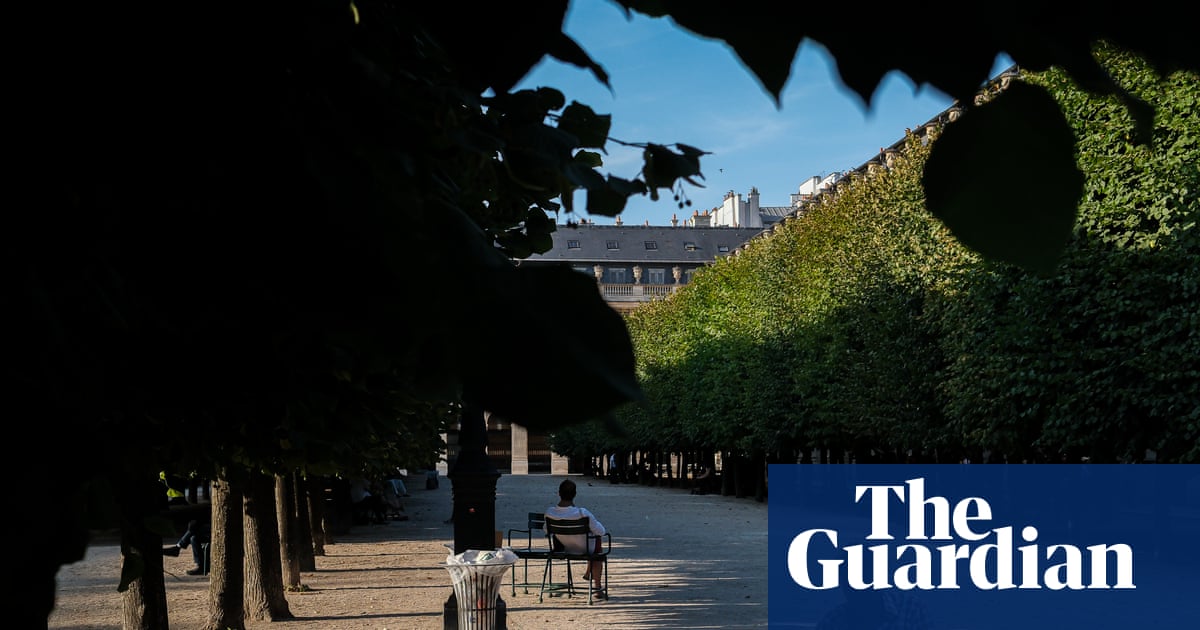
A Guardian feature published June 26 highlights four heat-adaptation tactics European cities are using or expanding during the current heatwave: welfare check-ins, climate shelters, building design changes and urban greening.
European cities are moving from heat warnings to practical adaptation measures as a late-June heatwave strains public services and exposes who is most at risk indoors and outdoors.
A Guardian feature published on June 26 laid out four ideas already being used or expanded in parts of Europe: welfare check-ins for older residents, climate shelters, heat-reducing building design and urban greening. Together, the examples point to a broader shift in climate policy: adaptation is becoming a public-health and urban-planning problem, not just a weather response.
Welfare check-ins for older residents
One of the simplest measures is a contact service aimed at people most likely to be isolated during extreme heat. The Guardian reported that some cities, including Paris, run official heatwave check-in services for people with health problems or over age 60.
The story also pointed to Denmark's DaneAge Association, which runs volunteer safety calls in 170 of its 215 local branches, with about 1,700 volunteers involved. The model is low-tech, but it can identify when someone is struggling before a heat event turns into an emergency.
That matters because older residents and people with chronic health conditions face elevated heat mortality risk. Regular contact can help spot dehydration, confusion or other warning signs early, especially for people living alone.
Climate shelters in public buildings
Another idea is to turn existing public buildings into daytime refuges from the heat. These climate shelters can include libraries, civic centers, pools, shopping spaces and pharmacies, giving residents somewhere to rest, cool down, use toilets and get water without paying to enter a private venue.
Barcelona is the clearest recent example. El País reported on June 16 that the city said its summer 2026 shelter network would exceed 500 spaces, with 75% indoors and 99.2% of residents within a 10-minute walk of a shelter.
But the model has limits. Cadena SER reported on June 22 that 176 Barcelona shelter spaces would close in August, including libraries, shopping centers, pools and civic centers. That makes access more uneven in the hottest part of the summer, even as the network remains large on paper.
Buildings and streets that hold less heat
The Guardian also highlighted building design changes that reduce indoor exposure to heat. In practice, that can mean better shading, ventilation, reflective materials and other design choices that make homes and public buildings cooler without depending entirely on air conditioning.
Those measures are often cheaper than major new infrastructure and can be folded into routine repairs or renovations. They also matter because many people experience dangerous heat not on the street, but in overheated apartments and other indoor spaces.
Urban greening is the fourth idea in the feature. More trees, shade and planted areas can lower surface temperatures and make it easier to move around neighborhoods during a heatwave, especially for people who need to walk to shops, clinics or shelter sites.
The policy stakes are practical and immediate. If shade, water and restrooms are within walking distance, vulnerable residents are more likely to use them. If they are not, even well-designed adaptation plans can fail the people they are meant to protect.
Why this matters now
The June 26 reporting lands in the middle of a severe heatwave across western Europe. Le Monde reported that France's hospitals were under heavy strain after days of extreme heat, with emergency services overloaded and Paris imposing emergency measures.
That pressure is why small operational changes now matter. Opening public buildings longer, staffing check-in programs, improving signage and reusing existing spaces can all reduce heat-related harm without waiting for years of capital spending.
The unanswered questions are about scale and durability. It remains unclear how far the shelter model will spread beyond a few cities, whether Barcelona will extend hours or reduce August closures, and which municipal programs will become permanent rather than temporary responses to a single hot week.
For now, the strongest takeaway is that European cities are testing a more everyday form of climate adaptation: not just alerting people to heat, but building routines that help them get through it safely.
Revision note
Initial automated publication.