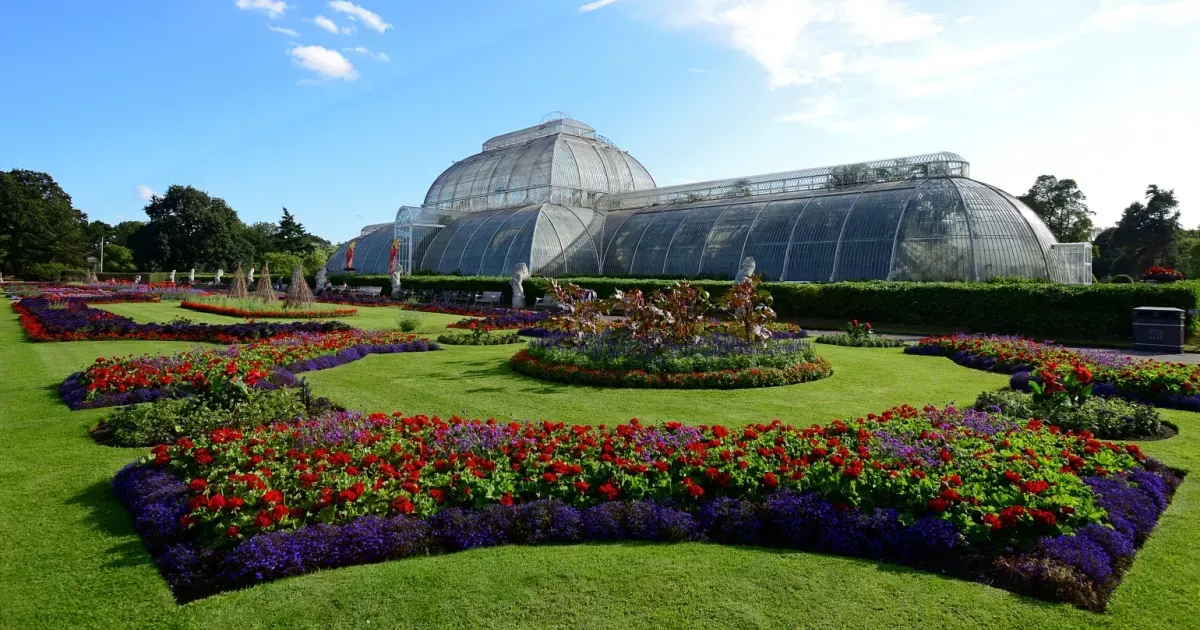
Royal Botanic Gardens, Kew says AI and digitisation could speed plant and fungi conservation by improving species identification, specimen access, flowering-time analysis and old fungal genome work, while warning about energy use and data gaps.
Royal Botanic Gardens, Kew says artificial intelligence and digitisation could become practical tools for speeding plant and fungi conservation, according to a new report released on Tuesday.
The report presents AI as an accelerator for conservation science rather than a replacement for fieldwork, taxonomy or specimen-based research. It argues that better digital access to biodiversity collections, combined with machine learning systems that can sort and interpret large datasets, could help researchers identify species faster, track climate impacts and make better use of historic specimens.
Kew said the findings are part of a wider effort to improve how scientists study life on Earth at a time when biodiversity loss and climate change are intensifying pressure on plants and fungi.
What Kew says AI can do
The report says Kew has digitised 7.4 million specimens and made them freely available online. It argues that scale of access can support research far beyond the walls of a single herbarium or fungarium.
One of the clearest uses it highlights is species identification. Kew science executive director Alexandre Antonelli was quoted saying AI models can sometimes identify species better than specialists, especially when the relevant material is hard to distinguish by eye.
The report also points to climate research. It says AI and digitised data can help researchers track shifts in flowering times, which can show how plants are responding to warming temperatures and changing seasons.
For fungi, the report focuses on the scientific value of old specimens. Kew senior research leader Esther Gaya said very old fungarium material can still be used to produce high-quality genomes, with possible applications in medicine and disease-outbreak prediction.
Why the report matters
Kew says the conservation challenge remains large. About 40% of the 70,000 plant species that have been assessed are at risk of extinction, while another 330,000 species have not yet been analysed.
The report says around 2,000 new plant species are recorded each year, underscoring how incomplete the scientific picture still is even for a group that has been studied for centuries.
Fungi are even less well understood. Kew says about 90% of an estimated 2 million fungal species are still unknown to science, and fewer than 1% of known species have been assessed for extinction risk.
That gap matters because fungi underpin ecosystems, crop health and many biological processes that are still poorly understood. Kew argues that faster digitisation and better data tools could help close at least some of those gaps.
The report frames the work as part of Kew’s broader mission to understand and protect plants and fungi for the wellbeing of people and the future of all life on Earth.
Limits and next steps
The report also warns that AI is not a free solution. It says the technology carries energy and resource costs, and that biodiversity data itself still needs to be expanded and improved.
That caveat matters because the usefulness of AI in conservation depends on the quality of the underlying collections, labels and genomic data. In other words, machine learning can only be as useful as the biodiversity data it is trained on and connected to.
The report’s broader message is that digital tools can speed research, but only if the foundation underneath them is strong enough. Kew is therefore calling for more collaboration and more investment in collections and data infrastructure if researchers are to use these tools at scale.
The immediate takeaway is not that AI can solve the biodiversity crisis on its own. It is that digitised specimens, better datasets and targeted machine learning could help scientists work faster on species discovery, monitoring and conservation triage at a time when the knowledge gaps remain large.
Revision note
Expanded into a deeper report with chronology, conservation stakes, limits and next steps.