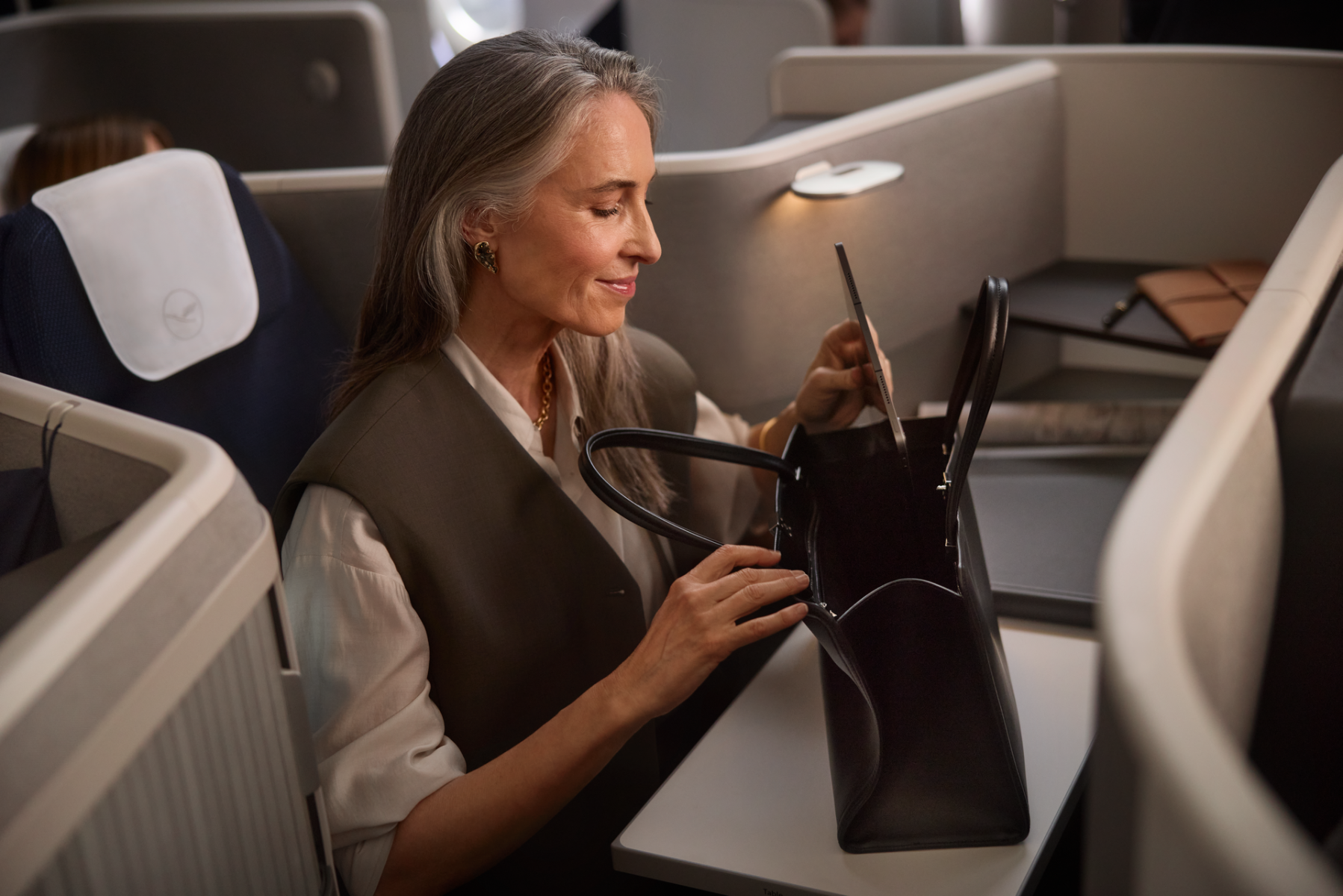
Airlines including KLM, Lufthansa and Singapore Airlines are running into certification delays on new premium seats, leaving some aircraft unable to sell their top cabins at launch.
Airlines are pouring money into more private, more luxurious business-class cabins, only to find that some of the seats cannot be used when the aircraft enters service. The bottleneck is certification: as seats gain doors, suites, unusual recline angles and new restraint systems, regulators are taking longer to sign off on them.
The result is a growing premium-cabin delay that is affecting fleet launches and revenue plans at major carriers. The Wall Street Journal reported on June 28 that airlines including KLM, Lufthansa, Singapore Airlines, Delta Air Lines, United Airlines and American Airlines have all faced trouble certifying new business-class seats.
Why the seats are stuck
A modern premium seat is no longer just a reclining chair. The latest business-class designs can include doors, higher privacy walls, complex mechanical parts and altered crash behavior, all of which can change how a cabin performs in safety testing.
According to the WSJ, FAA chief Bryan Bedford said premium seats and suites can fail human-factors tests because details such as seat-belt buckle mechanisms, door latches and crash-impact behavior affect evacuation and injury risk. The certification process is meant to make sure the cabin works safely in an emergency, but that scrutiny can slow a launch even after the aircraft itself is finished.
The pressure is not just on airlines. Boeing CEO Kelly Ortberg said aircraft have been sitting fully completed for customers while they wait for seat certifications, underscoring how a cabin component can hold up an otherwise ready airplane.
Airlines are being forced to wait
Lufthansa is one of the clearest examples. In March, the airline said 25 of 28 Allegris business-class seats on its Boeing 787-9 had received certification. Lufthansa said the first certified 787-9 with those seats flew from Frankfurt to Toronto on March 15, and that the remaining eight Allegris-equipped 787-9s were already in service with approved seats or would enter service by March 18.
Lufthansa also said its 787-9s would operate from Frankfurt to cities including Austin, Rio de Janeiro, Bogotá, Cape Town, Shanghai, Hyderabad, Hong Kong, New York JFK, Los Angeles and Delhi. The airline’s 787-9 fleet is planned to grow to 29 aircraft by the end of 2027.
The dispute has also been visible in the booking process. Business Insider reported in February that Lufthansa had been flying some 787 Dreamliners with only a limited number of sellable Allegris business-class seats before broader approval allowed 25 of 28 seats to be sold.
Singapore Airlines has taken a different route, pushing back part of its cabin refresh. In May, the airline said it was delaying its upgraded first- and business-class seats on A350-900 aircraft to the first quarter of 2027, citing supply-chain constraints and certification issues affecting one seat type.
KLM and others face launch risk
KLM is now among the carriers watching the process most closely. The WSJ reported that the airline plans to launch its new long-haul aircraft in September with the new business-class seats installed but unusable until certification arrives.
That kind of workaround is becoming more common as airlines try to keep delivery schedules intact while waiting on approvals. It may allow a new aircraft to enter service, but it also means the carrier cannot immediately sell every premium seat it expected to monetize on day one.
For airlines, the stakes are straightforward. Premium cabins are a major source of revenue and a key point of competition, especially on long-haul routes. If a new seat is blocked, delayed or downgraded, the airline loses part of the return it expected from the aircraft.
Seat makers face consequences too. Longer certification timelines can add cost, complicate production schedules and raise the risk that an airline will switch suppliers or redesign a cabin to avoid future delays.
What to watch next
The next developments to watch are the remaining approvals for KLM and other carriers, further Lufthansa updates on other aircraft types, and whether Singapore Airlines sticks to its early-2027 target. It will also be important to see whether airlines such as Delta continue using temporary workarounds or decide to change seat suppliers.
For now, the premium-seat race is colliding with the certification process. Airlines are still installing the newest cabins, but in some cases the most expensive seats on the plane remain off limits until regulators say they are safe to use.
,Revision note
Initial automated publication.