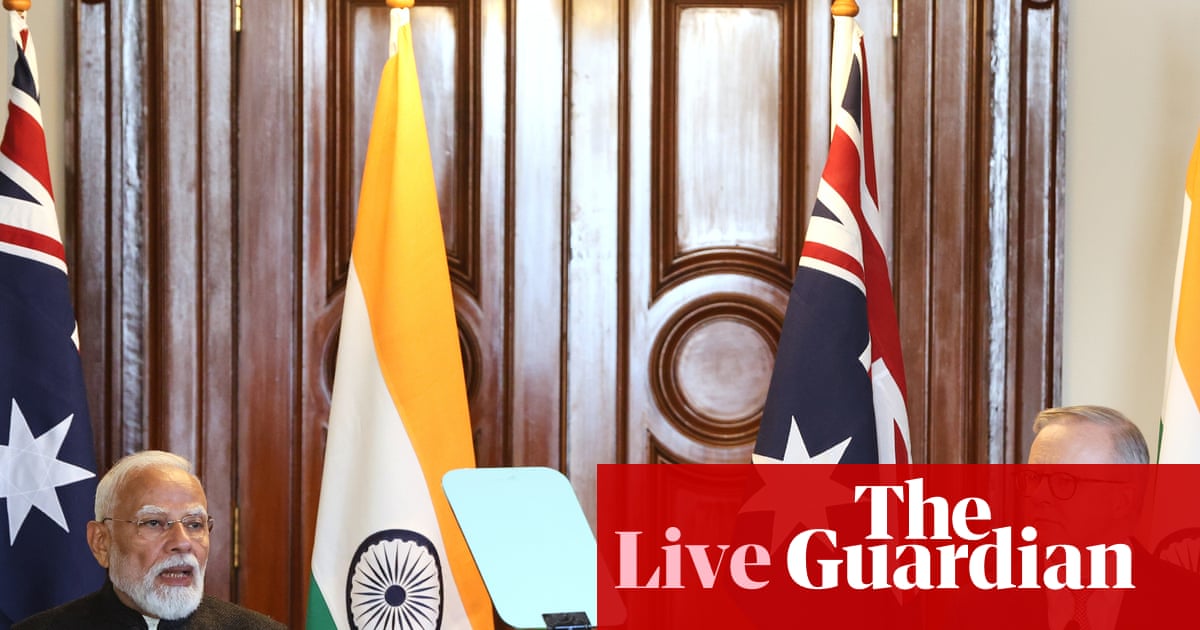
Anthony Albanese and Narendra Modi have signed an administrative arrangement that enables Australian uranium exports to India for peaceful civil nuclear use, alongside a new defence declaration.
Australia and India have signed an administrative arrangement that clears the way for Australian uranium exports to India for peaceful civil nuclear use, turning a long-delayed nuclear cooperation framework into a practical trade arrangement.
Anthony Albanese said the signing took place under the 2015 Australia-India nuclear cooperation agreement. Reporting on Thursday said the move enables exports for civil nuclear energy use and marks the first real operational step after years of delay.
The deal is also being described as a significant commercial opening for Australia’s resources sector and a new supply option for India as it expands low-emissions power generation.
From agreement to implementation
Australia and India first signed a civil nuclear agreement in 2014, but regular uranium shipments never began. Reporting says the delay was linked to proliferation concerns and the need to complete the administrative steps required before exports could flow.
The new arrangement changes that status. It does not appear to be a new policy breakthrough so much as the operational step that had to happen before trade could begin under the broader nuclear cooperation framework.
The Australian reported that the deal is worth billions and described it as a multibillion-dollar opportunity for Australia’s resources sector. The Economic Times framed the development as the finalization of the administrative steps needed to start exports, reflecting the same breakthrough from a different angle.
For India, the agreement offers another source of uranium as the country looks to expand nuclear power as part of its energy mix. Modi said the arrangement would pave the way for uranium supplies from Australia and support India’s clean-energy objectives.
He also said India aims to produce 100 gigawatts of nuclear energy by 2047, underscoring how the fuel supply deal fits into a longer-term energy strategy rather than a one-off purchase.
Strategic and commercial stakes
The stakes extend beyond energy trade. For Australia, the arrangement opens a new market for uranium at a time when governments and companies are looking for growth in critical mineral and energy exports.
For India, it improves fuel supply options for a civil nuclear program that sits alongside broader efforts to reduce reliance on fossil fuels. Reporting also says the arrangement should help increase non-fossil fuel power capacity in India.
The story also sits in the middle of a wider Australia-India strategic relationship. Uranium trade and defence cooperation are moving in tandem, suggesting both governments see energy security and Indo-Pacific security as connected priorities.
That broader context matters because the nuclear file has been sensitive from the start. Reporting says regular shipments had been delayed for more than a decade because of proliferation concerns and the practical challenge of translating a political agreement into an export-ready framework.
Defence ties deepen
The uranium arrangement was not the only announcement. Albanese and Modi also signed a joint declaration strengthening bilateral defence cooperation.
That package includes a Maritime Security Collaboration Roadmap, as well as expanded cooperation on cyber and critical technologies. Together, those measures point to a more active security partnership between the two countries.
The defence declaration gives the meeting a second major dimension beyond energy trade. It shows the relationship is being built around both commerce and strategy, with maritime security and technology cooperation alongside the nuclear supply arrangement.
What remains unclear
Several practical questions remain unanswered. Reporting has not yet established when the first uranium shipments will begin, how large they will be, or whether either government will publish the full text of the administrative arrangement.
The details that matter most for implementation are still pending too, including the safeguards, commercial conditions and logistics that will govern the exports.
What is clear is that the long-standing bilateral framework has moved from paper to practice. A deal that had been delayed for years is now operational, and both governments are presenting it as part of a broader strategic alignment rather than a narrow commodity transaction.
Revision note
Initial automated publication with fuller coverage of chronology, stakes, defence ties and open questions.