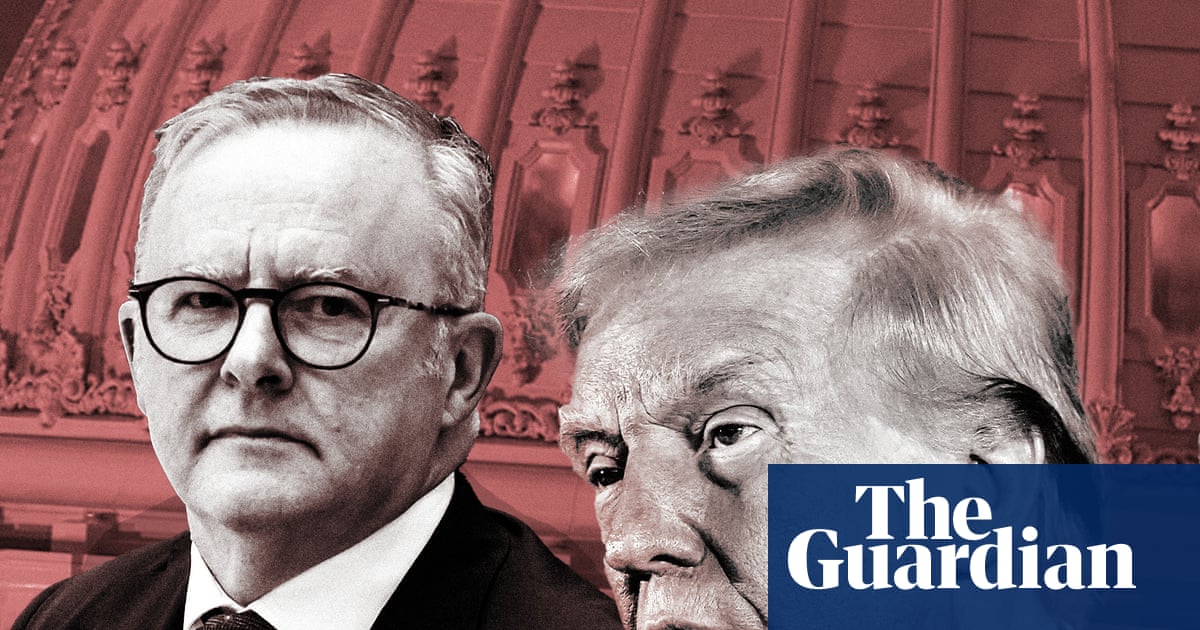
The Albanese government will wait until after the winter recess to introduce its News Bargaining Incentive, prompting fresh warnings from media executives that the delay prolongs uncertainty for publishers.
The Albanese government will delay introducing its News Bargaining Incentive until after the winter recess, pushing the next likely parliamentary window to August and drawing sharp criticism from media executives who say the delay prolongs uncertainty for publishers.
A government spokesperson said the government remained strongly committed to public interest journalism and was working through responses to the exposure draft. The spokesperson said ministers wanted to introduce the bill as soon as possible after parliament returns.
The delay matters because the proposed law is designed to push major digital platforms into commercial deals with news publishers or, if those deals are not reached, face a levy-style payment on Australian revenue. Supporters say the reform is meant to repair weaknesses in the 2021 news media bargaining code, including a loophole that let platforms walk away from deals.
The policy timeline
Prime Minister Anthony Albanese first flagged the policy publicly in late 2024. The government then released draft legislation on April 28, 2026, setting off a consultation period that closed on May 18.
Reporting on the draft described a model that would apply to platforms with at least $250 million in Australian-derived revenue. The reported mechanism would impose a 2.25% charge on Australian revenue where sufficient commercial agreements with publishers were not in place, with liabilities reduced or offset by direct deals.
On June 4, Assistant Treasurer Daniel Mulino said the government remained committed to the policy and wanted platforms to do deals with news media companies. A day later, Meta said the proposal was a discriminatory, retroactive tax that was poorly designed and grossly unfair.
The latest reporting on June 21 said the bill would not be introduced before the winter recess. Parliament is due to rise on July 2 and return on August 11, making that return the earliest likely window for action.
Why publishers are pressing for speed
For publishers, the delay is more than a matter of parliamentary scheduling. The policy is intended to restore bargaining leverage in a market where large platforms shape traffic, distribution and advertising economics, but do not always pay for news in a way publishers see as sustainable.
The stakes are especially high for public-interest journalism. The government says the incentive is meant to support that work, while publishers argue that every month without the law extends uncertainty over a funding model they had expected to see clarified this year.
The delay also prolongs a debate about whether the current system still allows major platforms to profit from news without providing durable compensation to the outlets producing it. That question sits at the centre of the reform, and it is one reason the consultation phase has become politically charged.
Media chiefs escalate pressure
Media executives have been blunt in their response to the pause. News Corp Australasia executive chair Michael Miller, Guardian Australia managing director Rebecca Costello, Nine chief executive Matt Stanton and Southern Cross Media Group chief executive Rohan Lund have all urged the government to move faster.
Their criticism reflects a common view in the sector: if the incentive is meant to create negotiating leverage, then the delay itself weakens its impact. Publishers say they need certainty now, not after another sitting period and another round of political negotiation.
The argument is also commercial. Many media companies rely on platform-linked referral traffic and revenue tied to news distribution, so any postponement keeps open the question of how much support they can expect from the major digital gatekeepers that dominate audience reach.
The government and Meta remain at odds
The government has not said it is abandoning the policy. Its position is that it is still processing consultation responses and wants to bring the bill forward as soon as possible after the winter recess.
That leaves the policy in a familiar position: publicly supported by Labor ministers, but still contested by major tech companies. Meta has already made its opposition clear, arguing that the proposal is unfair and discriminatory.
Albanese framed the policy in April as a democracy issue, saying journalism is critical to public debate and should have monetary value when large platforms use it. That argument remains the government’s main defence of a levy-style approach.
The policy is also a refinement of the Morrison government’s 2021 news media bargaining code, which was intended to stop platforms from using news content without compensation. The new incentive is designed to close the gap left when some platforms could retreat from deals rather than be forced into a lasting arrangement.
What happens next
The immediate legislative path is clearer, but slower. The bill is not expected before the winter recess, and August 11 is now the earliest likely date for movement in parliament.
That leaves publishers waiting for final confirmation on whether the government will keep the reported 2.25% rate, the revenue threshold and the offset for commercial deals. It also gives tech companies more time to lobby against a policy they already view as punitive.
The political question is no longer whether the government supports the measure. It does. The question is how long ministers will let the delay run before turning that support into law, and whether the industry pressure now building around the pause will change the final shape of the bill.
,Revision note
Initial automated publication.