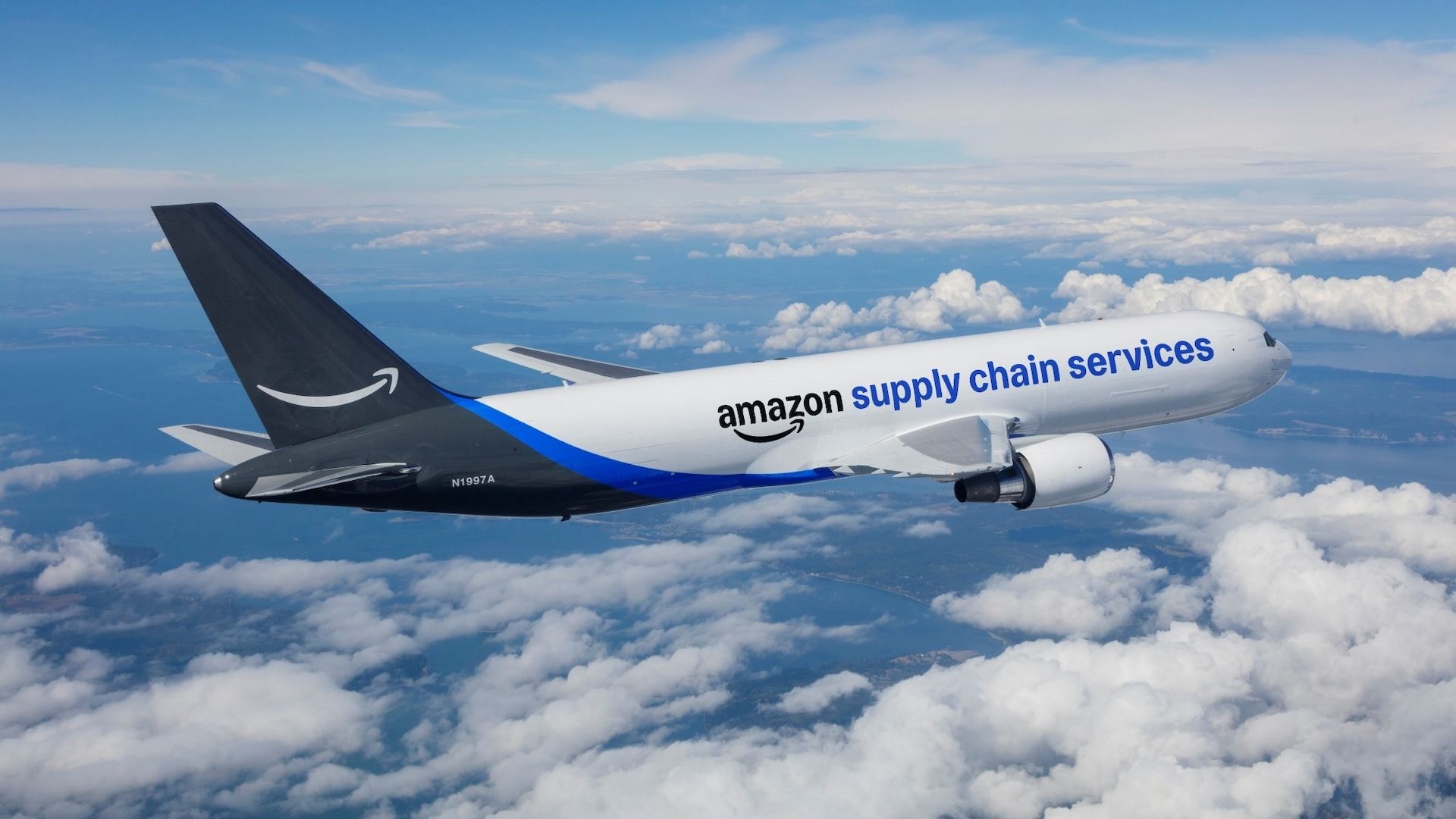
Amazon said it is opening its less-than-truckload shipping business to any customer, expanding a logistics service that had previously been tied more closely to Amazon fulfillment and partners.
Amazon is expanding its less-than-truckload, or LTL, shipping business to any customer, widening a logistics service that had previously been more closely tied to shipments connected to Amazon fulfillment.
The move extends Amazon Supply Chain Services, which launched on May 4, 2026, and now gives outside customers access to a freight offering built on Amazon's internal logistics network. Amazon Freight director Jim Ruiz said customers had been asking for the service's technology, visibility and reliability beyond the seller base.
Why It Matters
LTL shipping is used for smaller freight loads that do not require a full truck. By opening the service more broadly, Amazon is moving further into territory long dominated by established carriers such as Old Dominion Freight Line, XPO and FedEx Freight.
The market quickly registered the risk. Shares of some LTL carriers fell after the announcement, reflecting concern that Amazon could use its logistics scale to take more freight volume from incumbents.
From Internal Network To External Service
Amazon has spent years building a large delivery and freight network for its own retail operations. In May, the company broadened that network with Amazon Supply Chain Services, offering distribution, fulfillment and parcel delivery services to businesses beyond Amazon sellers.
The June 10 expansion takes that strategy a step further by making LTL shipping available to any customer. That suggests Amazon wants its logistics arm to become a wider commercial business, not just a support function for its marketplace.
Open Questions
Amazon has not yet said how much capacity it will dedicate to outside LTL customers, or which routes, industries or geographies will be first in line. Those details matter because the service's competitive impact will depend on how aggressively Amazon scales it.
For now, the company has signaled that its supply-chain platform is no longer limited to its own ecosystem. The next signals to watch are pricing, capacity and any response from incumbent freight carriers.
Revision note
Initial automated publication.