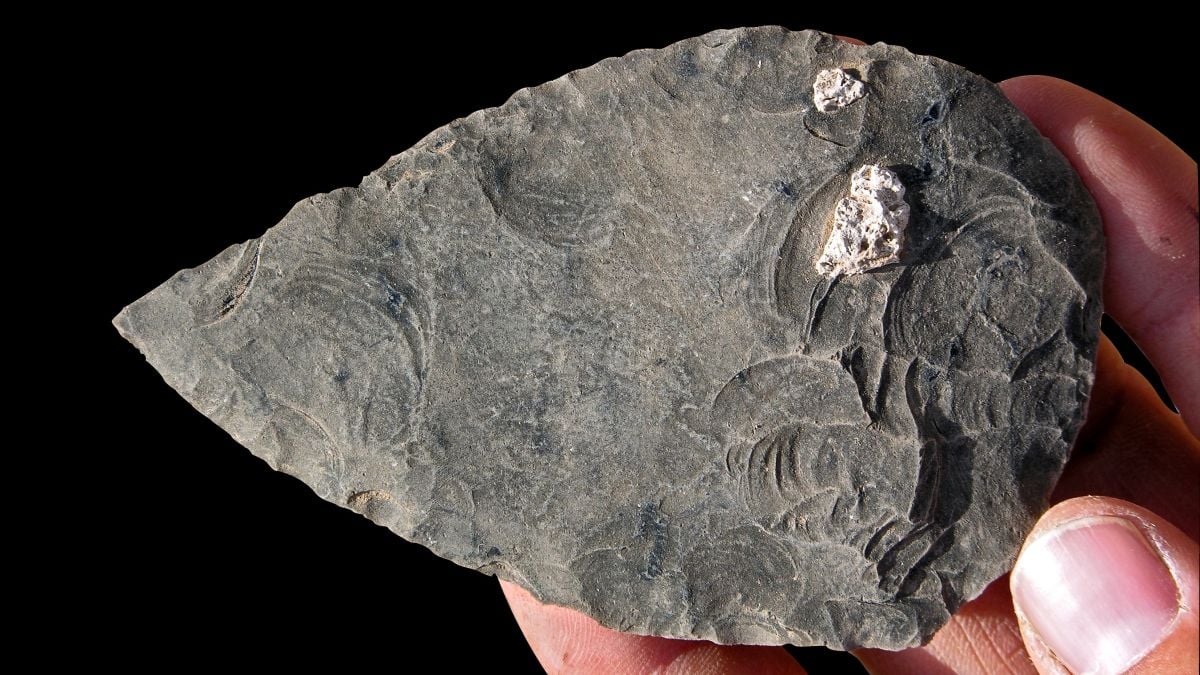
A new PNAS study describes three partial human skeletons and thousands of stone artifacts from Ethiopia’s Halibee site in the Afar Rift, dated to about 100,000 years ago.
A new archaeology study is adding rare physical evidence to the story of early Homo sapiens in eastern Africa.
Researchers working at the Halibee site in Ethiopia’s Afar Rift report three partial human skeletons, along with thousands of stone artifacts and animal remains, in deposits dated to about 100,000 years ago. The findings were cited in coverage of a new paper published in PNAS.
The site sits in the Middle Awash study area, a region long known for major discoveries about human evolution. The new work adds unusually direct skeletal evidence to a landscape that also preserves signs of repeated human activity.
According to the reporting, the remains are interpreted as early Homo sapiens occupation of an open-air floodplain setting. That matters because skeletal finds from this part of the record are comparatively rare, and they can help researchers refine what early modern humans looked like and how they lived.
The study also places the bones alongside a dense tool assemblage. That combination gives archaeologists a fuller picture of how people used the landscape, not just where they were found.
The paper is drawing attention because it links human remains, tools, and environmental evidence in a single ancient setting. Further coverage may clarify the full author list and more detailed interpretations, but the core finding is already clear: Halibee has yielded a substantial early Homo sapiens record from around 100,000 years ago.
Revision note
Initial automated publication.