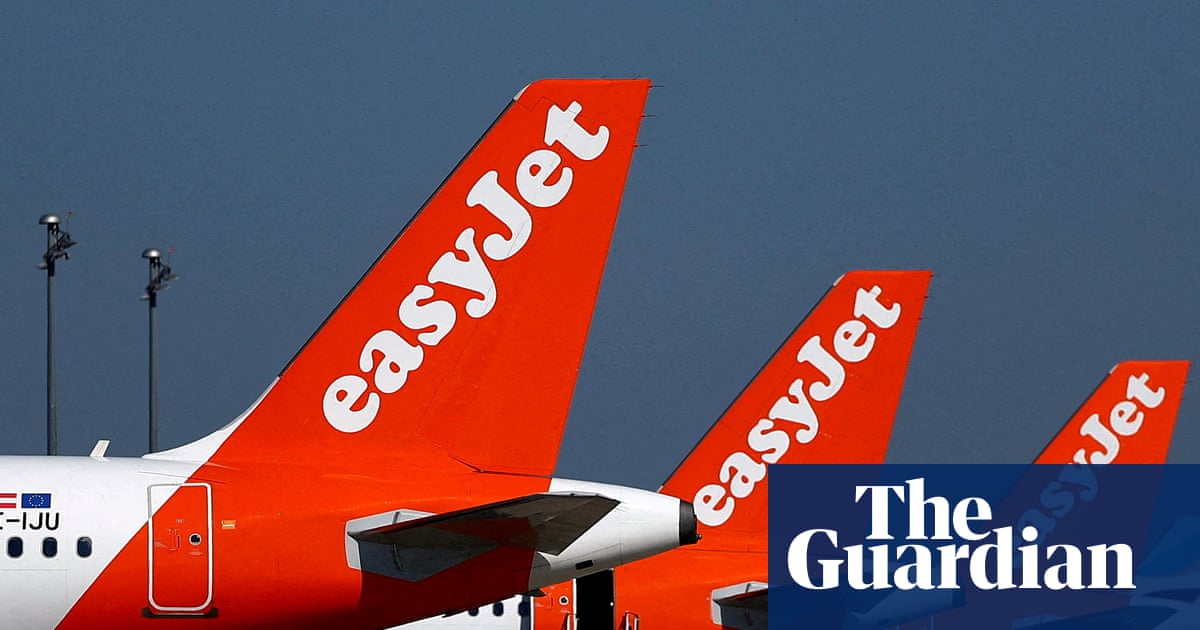
Apollo has proposed a £5.7 billion all-cash bid for easyJet at £7.15 a share, overtaking Castlelake’s latest offer. easyJet said its board is minded to recommend Apollo’s proposal, but the deal still needs a firm offer by 7 August and must clear regulatory and shareholder checks.
Apollo has jumped ahead of Castlelake in the contest for easyJet, offering £5.7 billion in cash and prompting the airline’s board to shift toward recommending the higher bid.
The US private equity group has put forward £7.15 a share for the low-cost carrier, according to multiple reports on Friday. That values easyJet at about £5.7 billion and tops Castlelake’s latest offer of £6.90 a share, which was worth about £5.5 billion.
The move marks a sharp turn in the takeover process. easyJet had previously agreed in principle to Castlelake’s lower proposal, but Apollo’s higher offer has now become the one the board says it is minded to recommend.
Board shift
easyJet said the Apollo proposal delivers a superior outcome in cash terms and that its board is minded to recommend the offer to shareholders. The airline also said it is no longer minded to recommend the Castlelake proposal.
That does not mean the deal is done. Apollo still has until 7 August 2026 to turn its proposal into a firm offer, and the transaction remains subject to the usual takeover, regulatory and shareholder steps.
Why Apollo moved ahead
Apollo’s bid effectively reopens the competition for one of Europe’s best-known budget airlines. The timing matters because the board’s latest position could influence shareholder support, even before a binding offer is made.
The new proposal also appears to have changed the economics of the process. By moving above Castlelake’s price, Apollo has put itself in the lead on headline valuation and on the cash terms that the board said were decisive.
Apollo said it intends to support easyJet’s current strategy and management. It also said it will take the necessary steps to satisfy EU airline ownership rules, which are a central issue in any attempt by a non-European investor to take control of a European carrier.
Ownership rules and deal structure
European airlines must remain majority-owned by European interests under EU rules, so any successful bid needs to be structured around that constraint. That makes ownership compliance one of the key unresolved questions in the process.
Brand and licensing arrangements also remain relevant. Apollo’s proposal has been framed with reference to preserving easyJet’s arrangements with founder Sir Stelios Haji-Ioannou, whose stake and influence continue to matter to the economics and politics of any deal.
The founder, alongside chairman Sir Stephen Hester, is among the key figures watching the process. Their positions may not decide the outcome on their own, but they help shape how investors and the market assess the offer.
What happens next
The next major checkpoint is Apollo’s 7 August deadline. If it does not convert the proposal into a firm bid by then, the current offer can still fall away.
Castlelake could also respond. The earlier bidder may choose to improve its own terms, walk away or hold its position and wait for the process to play out.
Investors have already reacted to the new bid, with easyJet shares rising sharply after the announcement. The market move suggests traders see a real chance of a transaction, but it also reflects the remaining uncertainty around execution.
For now, Apollo has the advantage. It is offering more cash, the board is minded to recommend its proposal and the earlier Castlelake deal has been overtaken. But the contest is still open until a binding offer is made and the ownership issue is resolved.
Revision note
Initial automated publication with expanded takeover context.