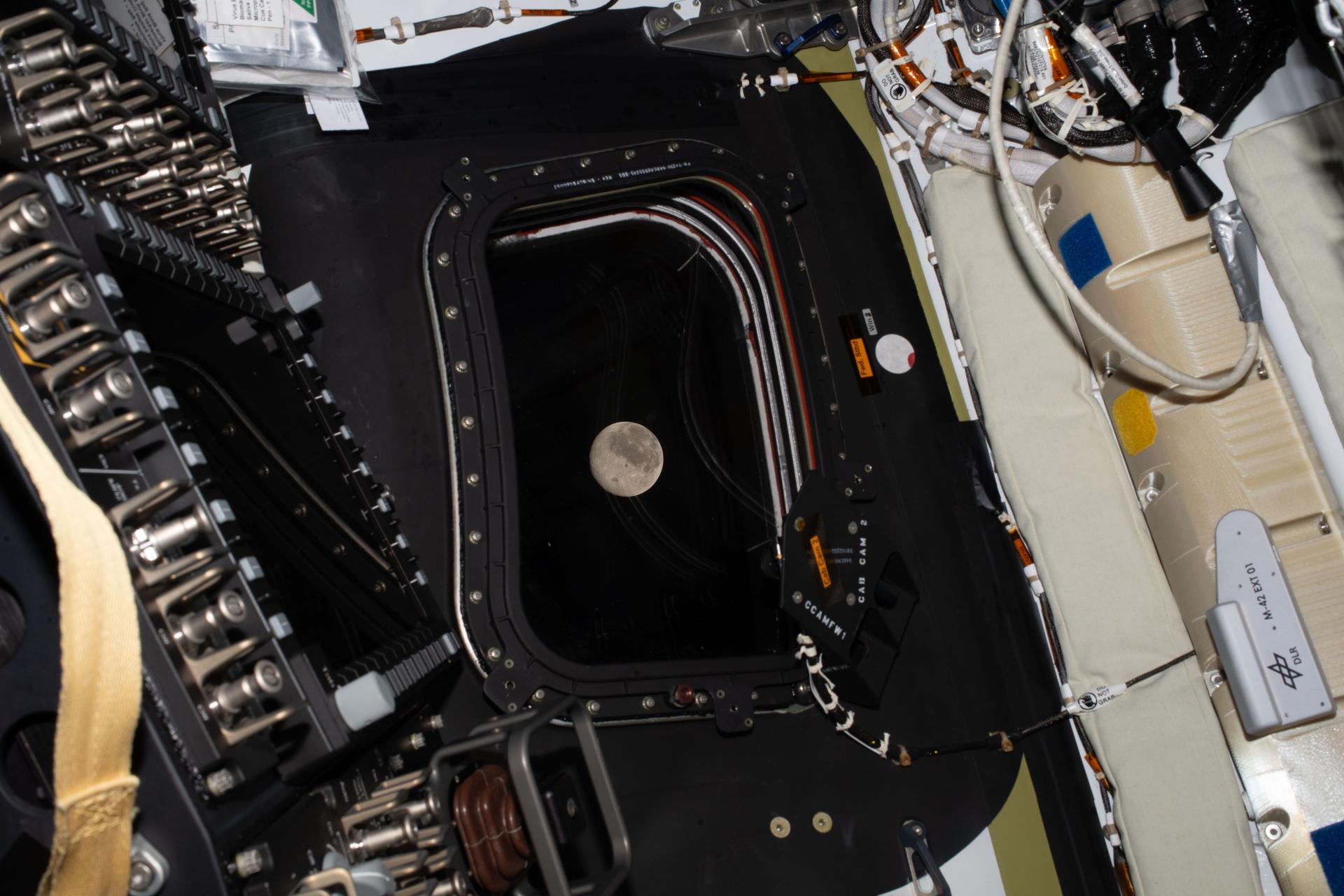
NASA’s Artemis II crew is in the middle of a lunar flyby and has surpassed Apollo 13’s distance-from-Earth record.
NASA’s Artemis II mission has entered its most historic phase, with the crewed spacecraft on a lunar flyby and moving beyond Apollo 13’s distance-from-Earth record.
NASA said the Orion spacecraft and its four astronauts entered the lunar sphere of influence early Monday, April 6, 2026. The agency said the mission would break the human distance record later in the day, surpassing the 248,655-mile mark set by Apollo 13 in 1970.
By Monday evening, that milestone had been confirmed by NASA’s live mission updates and by outside reporting. Artemis II is the first crewed lunar flyby in more than 50 years, and the spacecraft is now deep into its test of navigation, communications and other systems in cislunar space.
NASA said the closest approach to the Moon is expected at about 7:02 p.m. EDT, roughly 4,070 miles above the lunar surface. The agency’s April 2 mission release said the crew will return to Earth and splash down in the Pacific Ocean off San Diego after the flyby is complete.
The flight marks a major step in NASA’s Artemis program and a live demonstration of deep-space operations for the Orion vehicle and its crew.
The mission remains active, with NASA continuing to post flight-day updates as the lunar pass progresses.
Revision note
Initial automated publication.