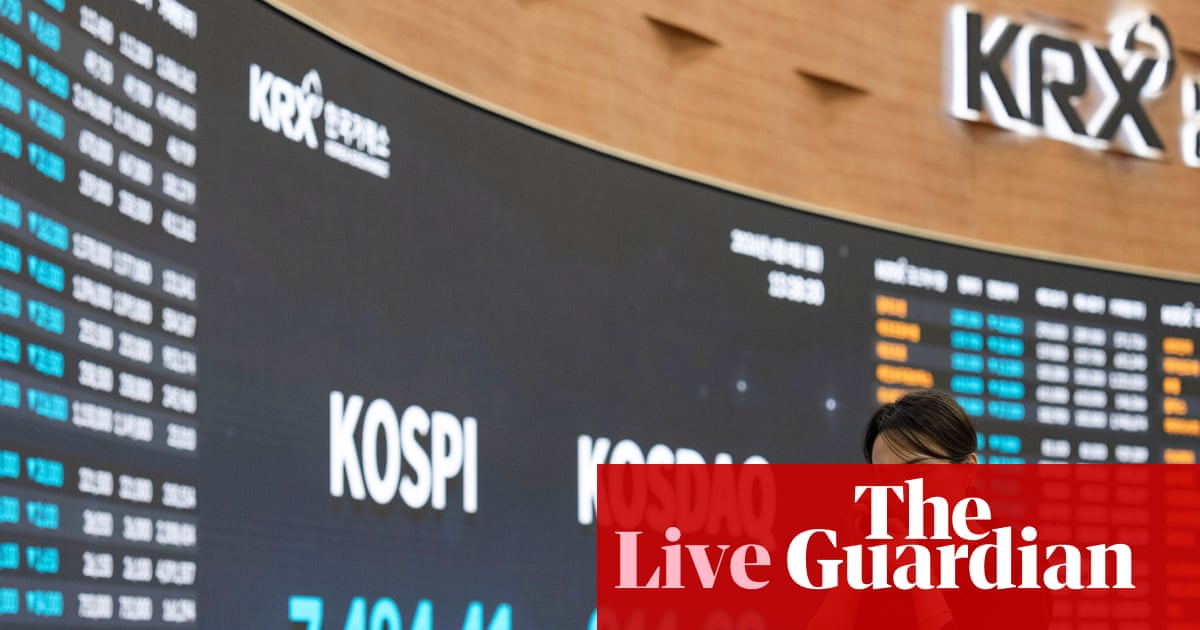
Asian shares fell after reported US-Iran military exchanges lifted geopolitical risk and raised concerns about oil and trade flows, as traders also awaited US inflation data.
Asian stocks fell on Wednesday after reported military exchanges between the US and Iran sharpened fears of a wider Middle East conflict and the possible impact on energy supplies and trade routes.
The market move came as traders watched the Strait of Hormuz, a critical shipping lane for global oil flows, and weighed whether the escalation could keep pressure on risk assets. Investors were also waiting for later US inflation data, which could add another layer of volatility to markets.
The Guardian reported live market coverage at 07:22 UTC saying Asian stocks had fallen as the US and Iran exchanged fire. AP also reported that Asian markets declined on June 10 amid renewed US-Iran escalation and oil-market concern.
Axios reported on June 9 that the US carried out retaliatory strikes and that Iran responded with strikes targeting US bases in the region. Coverage across outlets differed on some details of the sequence, but all pointed to a sharp deterioration in the conflict and a market response centered on energy prices and regional risk.
Oil prices were described differently across reports, with some saying they were steady or only slightly lower while others emphasized rising concern about a possible disruption. That uncertainty added to the cautious tone in Asian trading.
The immediate question for markets is whether the escalation broadens further, and whether any move in oil or inflation expectations changes the direction of equities later in the session.
Revision note
Initial automated publication.