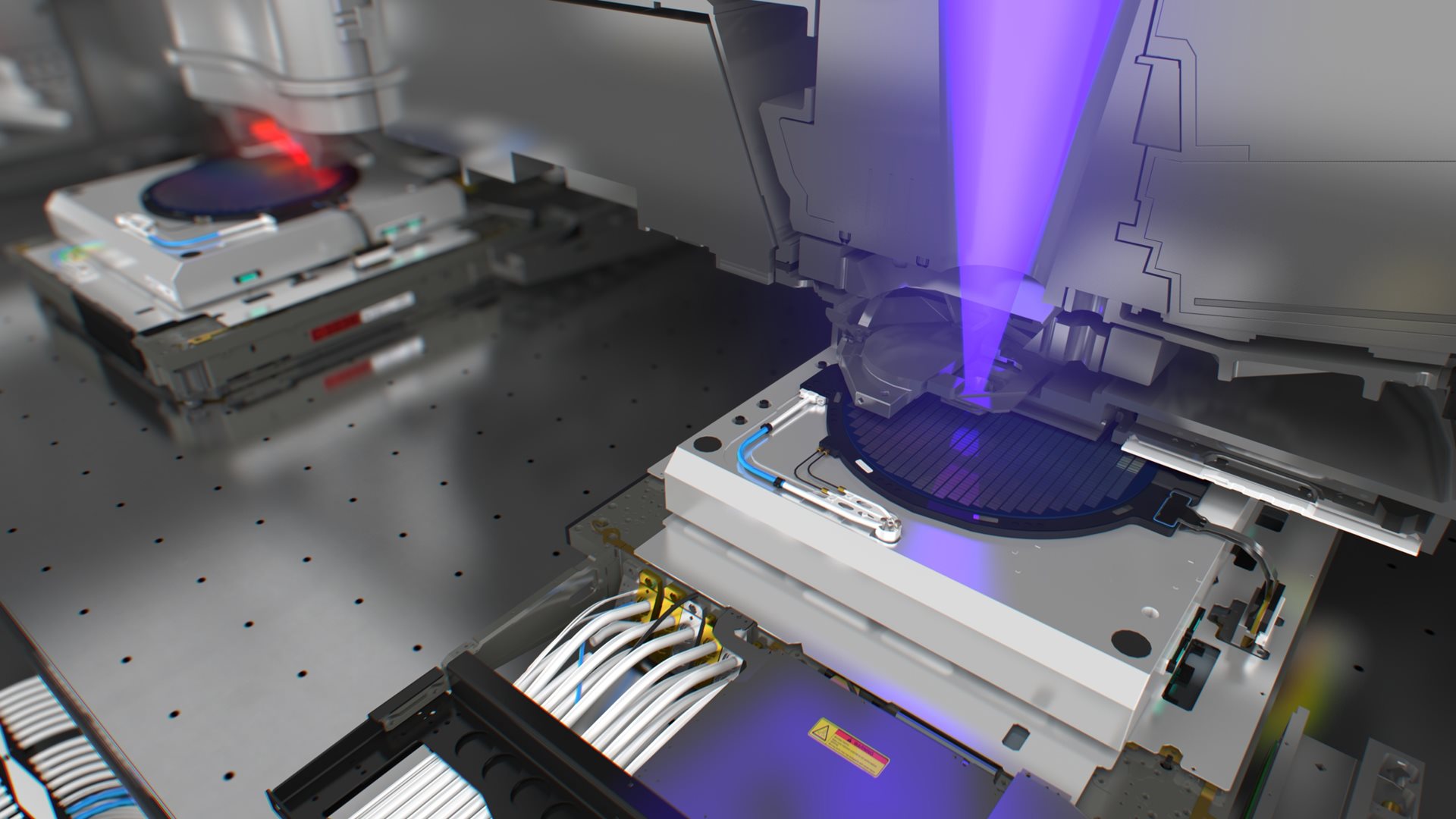
ASML shares fell after a report that U.S. officials raised concern one of the company’s restricted EUV systems may have reached China. ASML denied ever shipping an EUV machine or EUV-specific components to China.
ASML shares fell on June 19 after a report that U.S. officials had raised concern that one of the company’s extreme ultraviolet lithography, or EUV, systems may have reached China despite export restrictions.
ASML denied the allegation. The Dutch chip-equipment maker said it has never shipped an EUV machine to China and has not shipped any component, module or other equipment specially designed for use in an EUV machine.
The report renewed scrutiny of one of the most sensitive corners of the U.S.-China technology dispute: the advanced tools used to make cutting-edge chips. ASML is the sole supplier of EUV lithography systems, which are essential for producing the most advanced semiconductors.
What the report said
According to the reporting cited in the market move, U.S. Commerce Secretary Howard Lutnick raised the issue with ASML executives. The concern centered on whether a restricted EUV system had entered China, an outcome that would carry major export-control implications if confirmed.
Barron’s reported that ASML shares were down about 0.5% in Amsterdam trade after earlier larger losses.
ASML’s denial
ASML said the company had never shipped an EUV machine to China. It also said it had not shipped to China any EUV-specific component, module or piece of equipment.
That denial is important because EUV exports to China have been restricted since 2019, and the company remains closely watched whenever policy tensions tighten between Washington and Beijing.
Why it matters
The allegation matters beyond ASML itself. Any confirmed movement of restricted EUV technology into China would raise questions about export-control enforcement and could affect sentiment across semiconductor equipment stocks.
The episode also underscores how exposed the chip-tool industry remains to U.S.-China policy shifts. ASML is a critical supplier to leading chipmakers, and its business is highly sensitive to restrictions on advanced manufacturing tools.
What happens next
The main unresolved question is whether any restricted EUV machine actually reached China, and if so, on what basis U.S. officials are acting.
Market attention now turns to whether the U.S. or Dutch governments comment further, whether ASML issues another clarification, and whether the share move spreads to peer semiconductor equipment names.
Revision note
Initial automated publication.