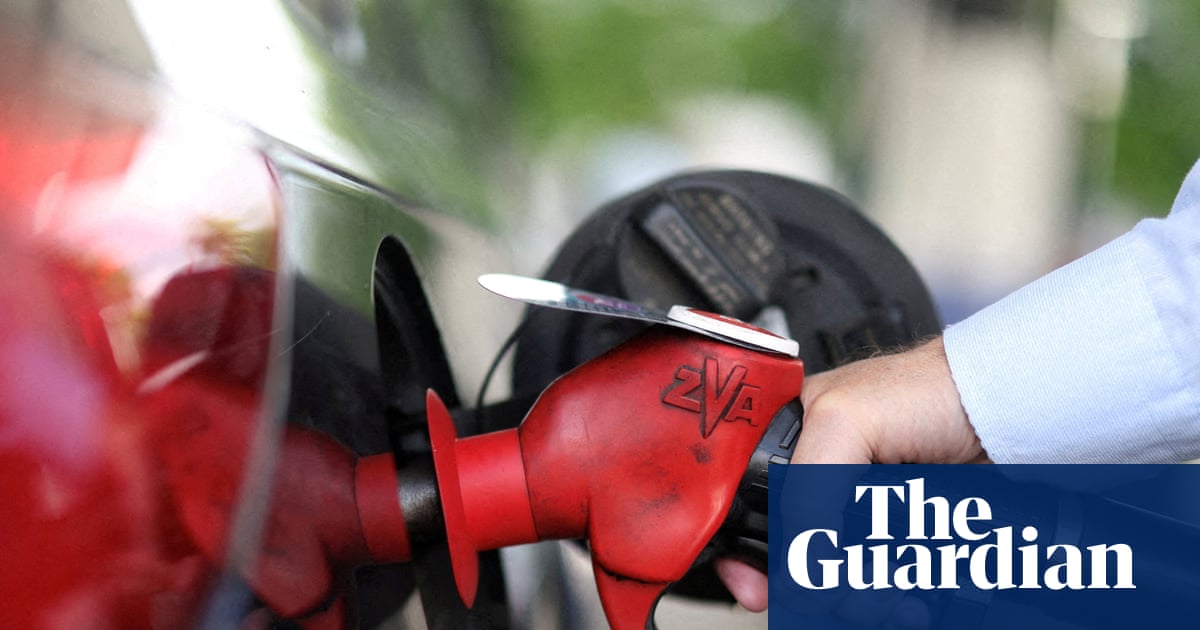
The Albanese government has extended its temporary fuel excise relief for one more month, keeping fuel 16 cents per litre cheaper from July 1 to August 2 and extending the reduced road user charge for heavy vehicles over the same period. Reporting says the move follows continued fuel-market uncertainty and is expected to cost about $400 million.
Relief extended until August 2
The Albanese government has extended its temporary fuel excise cut for another month, keeping the lower rate in place from July 1 to August 2.
The extension means fuel will remain 16 cents a litre cheaper during that period. The government is also extending the reduced road user charge for heavy vehicles by the same amount.
The decision follows several days of reporting that the government was considering whether to keep the temporary relief in place after its original June 30 expiry date.
How the policy changed
The original temporary fuel relief was due to end on June 30. Reporting now indicates the government will taper the support to a 16 cents per litre discount for the extra month rather than leave the full temporary cut in place.
That distinction matters because some early coverage described the move as a simple extension, while later reporting made clear the support would continue at a reduced rate.
Heavy vehicle operators will also keep receiving the lower road user charge for the same period. That means truck drivers and freight businesses will continue to see some benefit alongside motorists.
Why the government moved
Reporting ties the extension to continued uncertainty in global oil markets after the Iran-related conflict and disruption around the Strait of Hormuz.
Earlier coverage said Anthony Albanese had signaled the government was open to extending the relief. By June 20, reporting said the one-month extension had been confirmed, and live coverage on June 21 added the detail that the reduced rate would run through August 2.
The government is effectively arguing that fuel-market conditions have not fully normalized, even as some reporting says petrol prices have already fallen below levels seen before the Iran war began.
Cost and impact
One report says the extension is expected to cost about $400 million.
The immediate beneficiaries are households, businesses and freight operators that will keep paying less at the pump or through the lower road user charge during the extension period.
The broader effect will depend on how much of the tax change flows through to retail prices. Pump prices do not always move in step with changes to excise, so the size of the relief drivers actually feel can vary.
What happens next
The next question is whether August 2 becomes the final end date or whether the government extends the relief again if markets weaken further.
Another issue is pass-through. The ACCC is likely to remain focused on whether retailers reflect the tax change in prices paid by motorists.
There is also a fiscal question. Reporting has placed the cost of the one-month extension at about $400 million, but further detail could emerge if the government releases formal costings or offsetting measures.
For now, the government has chosen to keep the temporary support in place for one more month while fuel-market conditions remain unsettled.
Revision note
Expanded into a fuller publication with chronology, policy details, cost, stakeholders, and next-step context.