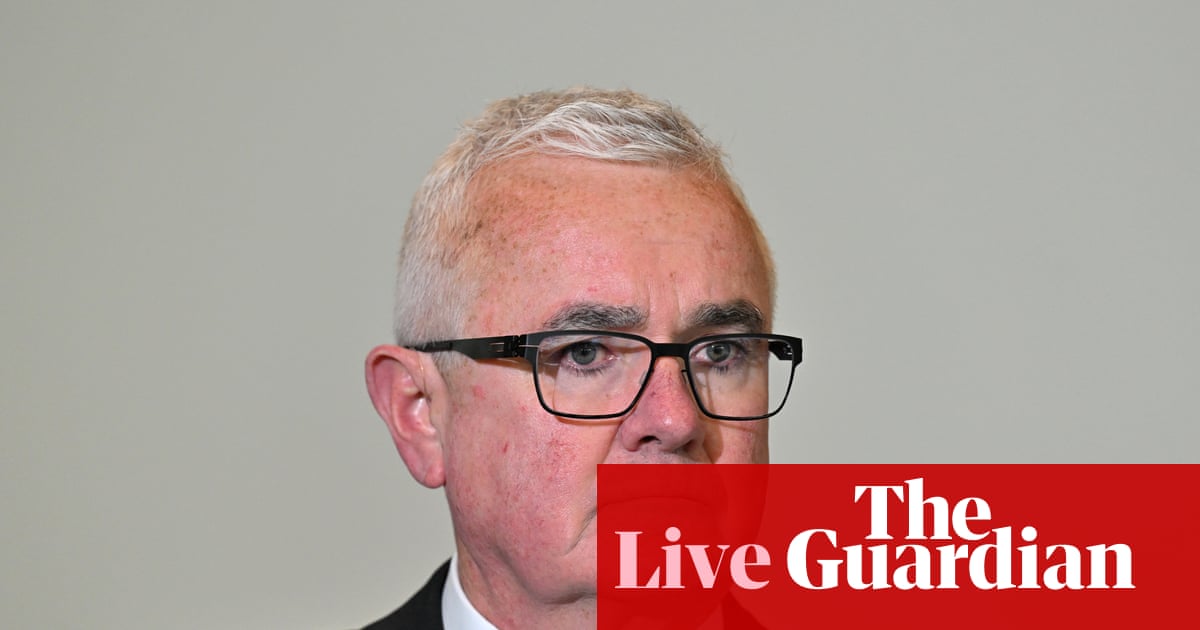
Labor has shut down Andrew Wilkie’s attempt to condemn the Albanese government’s new gambling-ad restrictions, with critics saying the bill does not go far enough and may still face Senate resistance.
Labor has moved quickly to shut down independent MP Andrew Wilkie's bid to condemn the Albanese government's new gambling reform bill, which critics say does not go far enough to curb gambling advertising.
The showdown came on Thursday after the government introduced legislation in the House to tighten gambling-ad restrictions. Wilkie tried to suspend standing orders so he could attack what he called a "rubbish" bill, but Tony Burke moved to shut down the motion and Labor's numbers quickly quashed it.
The confrontation is the latest sign that Labor's gambling bill is likely to face resistance from both sides of parliament, even as ministers describe it as their biggest gambling reform yet.
What the bill would do
According to the reporting, the government's plan would cap TV gambling ads at three an hour between 6am and 8.30pm and impose a full ban during live sport in that daytime window.
The reforms are aimed at reducing children's exposure to gambling promotions and limiting the visibility of betting ads around sport, but critics say the package still falls well short of a full ban on gambling advertising.
That criticism has become a central fault line in the debate. The government is presenting the bill as the most significant gambling reform any administration has attempted, while opponents say it is too weak and leaves industry with too much room to keep advertising.
Wilkie's challenge
Wilkie's intervention came almost as soon as the legislation was introduced. In his motion to suspend standing orders, he attacked the bill as a capitulation to gambling, media and sporting interests.
Labor moved promptly to stop the protest from advancing. Burke's intervention, backed by the government's numbers, prevented Wilkie from using the chamber to press the attack further.
The live parliamentary clash underlines how politically sensitive the issue remains. Labor wants to be seen as acting on gambling harm, but it is also trying to hold together a package that can survive parliament.
Pressure from other MPs
Wilkie is not the only MP pushing for tougher action. Reporting has already shown pressure from Coalition figures and Greens MPs, including Liberal MP Zoe McKenzie, who has urged the government to harden the clampdown.
Labor frontbencher Anne Aly has also left the door open to more changes, saying in live coverage that there may be further amendments down the track.
That leaves the government facing a familiar problem: it must defend the bill as a major reform while also managing demands from MPs who want a stricter response to gambling advertising.
Why it matters
The stakes are high for broadcasters, sporting codes and wagering companies, all of which would be affected by any tightening of gambling-ad rules.
The political stakes are also significant. Labor has repeatedly faced pressure to act more aggressively after the Peta Murphy report recommended stronger measures, and earlier proposals had already fallen short of a full ban.
The issue matters to families and child-safety advocates as well, because the government says the point of the bill is to reduce children's exposure to gambling promotions while critics argue that partial restrictions still leave too much harm in place.
What happens next
The bill was still awaiting a clear pathway through parliament after its introduction, and the live coverage suggests it may yet be amended before it can progress.
The main questions now are whether Labor negotiates with the Greens or Coalition to secure support, how far opponents will push for tougher restrictions, and whether any changes will further tighten limits on sport, celebrities and online ads.
For now, the immediate development is clear: Labor has used its numbers to stop Wilkie's protest, but the fight over gambling advertising is only starting.
Revision note
Expanded into a full breaking political report with chronology, policy detail, stakeholder pressure and next steps.