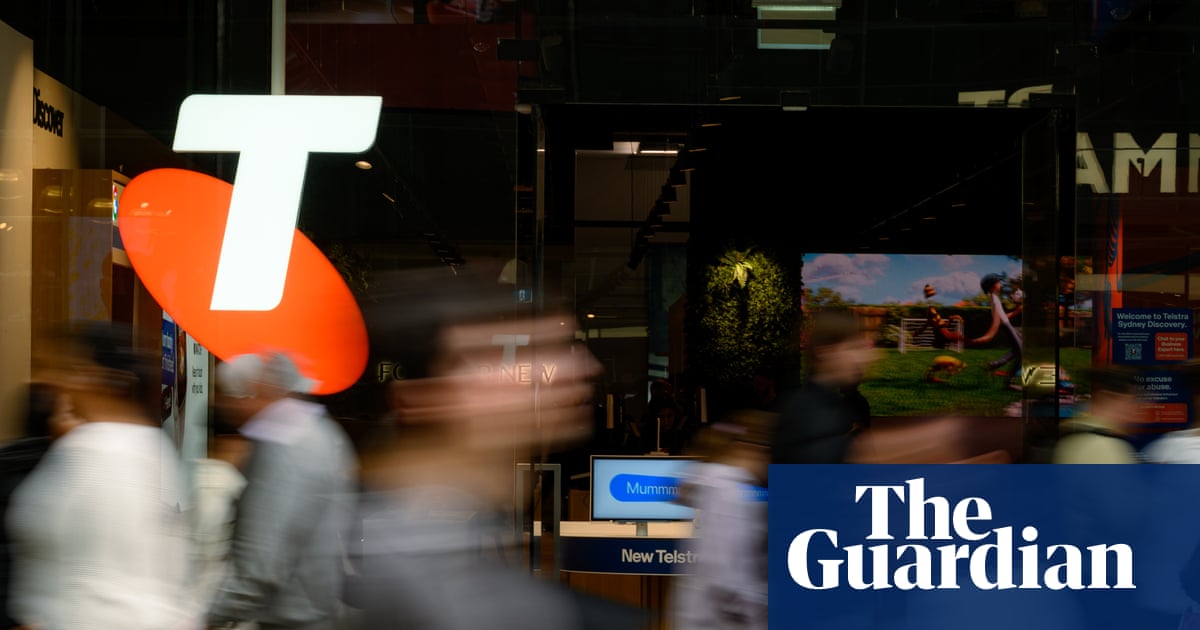
Australia is investigating a Telstra outage that disrupted Triple Zero emergency calls, regional transport and some payment systems, after police opened a death inquiry linked to the incident.
Telstra's nationwide outage has escalated from a telecom failure into a public-safety and regulatory issue after emergency-call disruption, transport delays and a reported death drew official scrutiny.
The company said the July 8 outage affected Triple Zero access, regional train services and some payment systems across Australia. It later said a separate secondary issue was still affecting some emergency calls on July 9, even after the initial problem had been partly resolved.
Telstra said the root cause was a software defect affecting network time synchronization, not a cyberattack. It also said it had completed 639 welfare checks and that seven callers said they needed assistance and were referred to emergency services.
Emergency call disruption
The most serious concern is the effect on Triple Zero, Australia's emergency number. Failures in access to emergency services are treated as a public-safety issue, not just a technical outage, which is why the incident quickly drew national attention.
Reporting on July 9 said the company was still working through the aftermath while its account of the incident continued to evolve. Telstra said the secondary emergency-call issue had been reduced by 90%, but officials and the public were still waiting for a complete accounting of how many calls were affected.
The outage also renewed scrutiny of Telstra's escalation and notification handling. Regulators and government officials are likely to examine not only what failed technically, but how quickly the company identified the problem, informed authorities and restored service.
Chronology of the outage
According to same-day reporting, the outage began on July 8 and spread beyond mobile and fixed-line services. It disrupted regional train operations in Victoria and New South Wales and affected some business payments, including EFTPOS.
By July 9, Telstra said a secondary issue was still affecting some emergency calls even after the main problem had been partly fixed. That made the incident more complex than a single short-lived network fault.
The later update also changed the scale of the response. Telstra said it had completed 639 welfare checks, suggesting that the number of people potentially exposed to emergency-call disruption was large enough to require active follow-up.
Death investigation
The outage became even more serious when South Australia Police said it was investigating a death in regional South Australia after speaking with Senator Kerrynne Liddle and contacting the deceased person's family.
Before that statement, police had said they were unaware of any death linked to the outage. That change left a clear gap between the reporting and any confirmed causal finding.
For now, the reported death has not been established as being caused by the Telstra incident. The only confirmed link is that police opened an inquiry on the same day the outage remained under scrutiny and emergency-call questions were still unfolding.
That distinction matters. A police investigation is not a conclusion, and any determination about whether the outage contributed to the death would need to be supported by police, coroner or hospital findings.
Political and regulatory pressure
The incident has already generated political pressure in Canberra. Communications Minister Anika Wells and Prime Minister Anthony Albanese publicly demanded accountability from Telstra, according to same-day reporting.
The outage also pulled opposition figures into the dispute. Shadow Communications Minister Sarah Henderson drew criticism after making test Triple Zero calls during the outage, and Opposition Leader Angus Taylor defended her.
The result is a story that now spans telecom reliability, emergency services and ministerial oversight. What started as a network fault is being treated as a test of Australia's emergency-call safeguards and Telstra's crisis response.
Wider impact and stakes
The outage affected more than emergency calling. Reporting said it also disrupted transport operations and payments, showing how dependent other services are on telco stability.
That breadth raises the stakes for Telstra, because the fallout now includes commuters, businesses and anyone who relies on emergency access in a crisis. It also increases pressure on regulators to determine whether the company met its obligations.
The key questions now are whether Telstra's internal systems failed in a preventable way, whether its response was fast enough and whether its reporting to authorities was adequate. Those issues may shape any later decision on penalties, compensation or reform.
Officials are also likely to examine whether Australia's telecom reliability and emergency-call safeguards need tightening. The outage has revived broader concern about the resilience of critical communications networks.
What happens next
The immediate next steps are a police inquiry into the reported death, further review of Telstra's technical explanation and scrutiny of its emergency-response handling. Those findings will determine whether the event leads to enforcement action or other consequences.
Regulators are also expected to focus on Telstra's notification timeline and its final accounting of failed emergency calls. The company may still revise its figures as the investigation continues.
For now, the established facts are clear: a nationwide Telstra outage disrupted Triple Zero, transport and payments; the company says a software defect caused the failure; and South Australia Police have opened a death investigation that remains unresolved.
Revision note
Initial automated publication.