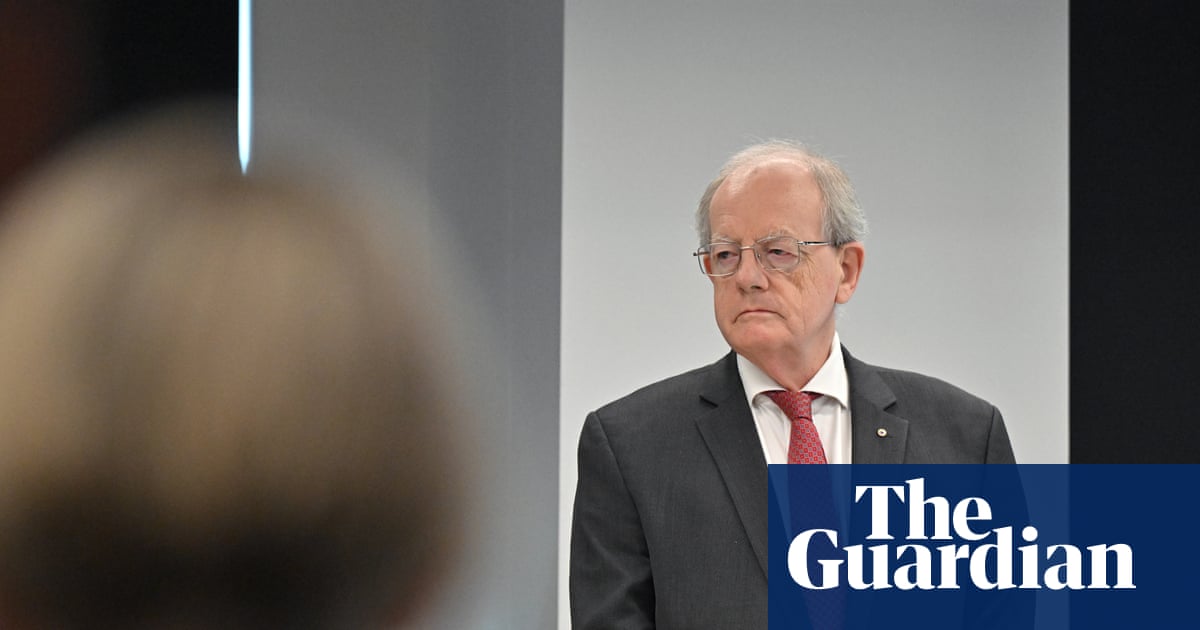
Australia's National Anti-Corruption Commission has dropped two internal investigations into former commissioner Paul Brereton after inspector Gail Furness said further work would not justify the public expense.
Investigations closed
Australia's National Anti-Corruption Commission has dropped two internal investigations into its former chief Paul Brereton, with inspector Gail Furness saying the remaining work could not justify the public cost.
Furness discontinued both matters on 8 July 2026, two days after Brereton's resignation as commissioner took effect. She said continuing to pursue the cases was no longer necessary after his departure and because the systemic issues identified had already been addressed.
The decision closes a politically sensitive chapter for the federal anti-corruption body, which has been under pressure to protect its own credibility while investigating allegations involving its inaugural commissioner.
What the investigations covered
One of the investigations concerned Brereton's handling of a conflict of interest linked to his continuing ties to the Inspector-General of the Australian Defence Force while he was overseeing defence-related referrals.
The Guardian reported that the matter covered referrals between July 2023 and October 2025, and that Furness had received 98 defence-related referrals before Brereton made a conflict-of-interest declaration.
The second investigation involved a confidential complaint about Brereton's conduct on one occasion involving two separate NACC operations.
Furness said safety concerns for the people involved in that matter were one reason she would not continue with it.
Why the cases were dropped
Furness said she could not justify the further public expenditure needed to finish draft reports in either case. That cost argument was central to her decision to stop both inquiries.
She also said Brereton's resignation made continued scrutiny of his actions unnecessary. Brereton stepped down as commissioner effective 6 July 2026, saying the criticism surrounding him was drawing attention away from the commission's core mission.
The inspector said the broader systemic issues uncovered in the investigations had already been satisfactorily addressed. In her view, that reduced the public value of completing the reports.
The result is that the watchdog will not publish further findings from the two internal probes, at least for now.
Institutional context
Brereton was the inaugural commissioner of the NACC, the federal agency responsible for investigating serious corruption issues across the Commonwealth.
His resignation and the ending of the internal probes leave the commission trying to move past a damaging dispute about conflicts, oversight and the handling of complaints inside the agency itself.
The NACC is now operating under acting commissioner Kylie Kilgour while the process of appointing a permanent replacement continues.
Kilgour welcomed the decision and said the commission had prevention, education and other investigations to focus on.
What happens next
The immediate questions are whether Furness will release any further detail about either case, and whether the government will add to its public response beyond acknowledging the inspector's independence.
Attorney-General Michelle Rowland has already stressed that the inspector operates independently, according to the reporting.
The broader appointment process for the next permanent commissioner also remains a live issue, given the sensitivity of the role and the scrutiny surrounding the commission's leadership transition.
For now, the NACC has closed the books on two investigations that raised difficult questions about conflicts of interest, operational confidentiality and public confidence in the agency's internal accountability.
Revision note
Expanded initial publication with full chronology, context and institutional stakes.