A federal risk assessment says more than 150 native bird species and more than 10 mammal species could be at very high risk if H5N1 bird flu spreads widely in Australia, as authorities monitor the first confirmed mainland detections in Western Australia.
Australia’s federal bird flu risk assessment has identified more than 150 native bird species and more than 10 mammal species as being at very high risk if H5N1 spreads widely across the country.
The assessment turns Australia’s first mainland H5N1 detections into a broader warning for wildlife. It suggests the virus could hit endemic species especially hard because many are found nowhere else in the world and have no external populations to replenish losses.
The warning comes after H5N1 was confirmed in two dead seabirds found on the Western Australian coast near Esperance, including a brown skua and a giant petrel. Reporting on the latest developments described those detections as the first confirmed mainland Australian cases of H5N1 bird flu.
Authorities in Western Australia said at the time of the latest reporting that no wider spread had been confirmed and that testing was continuing.
What the assessment says
Reporting on the federal assessment says the highest-risk list spans a wide range of birds, not just one habitat or family. The concern includes endemic and threatened species, along with seabirds and marine animals that can move across large areas and gather in dense colonies.
Among the birds highlighted in coverage are the black swan, swift parrot, orange-bellied parrot, red goshawk, fairy tern, plains-wanderer, shy albatross, western hooded plover and short-tailed shearwater.
The mammal species singled out in reporting include the Australian sea-lion, subantarctic fur seal, Australian fur seal, Tasmanian devil and eastern quoll.
Coverage says the federal environment department has noted that many Australian birds and mammals exist nowhere else in the world, which makes the scale of any outbreak difficult to predict and the losses harder to replace.
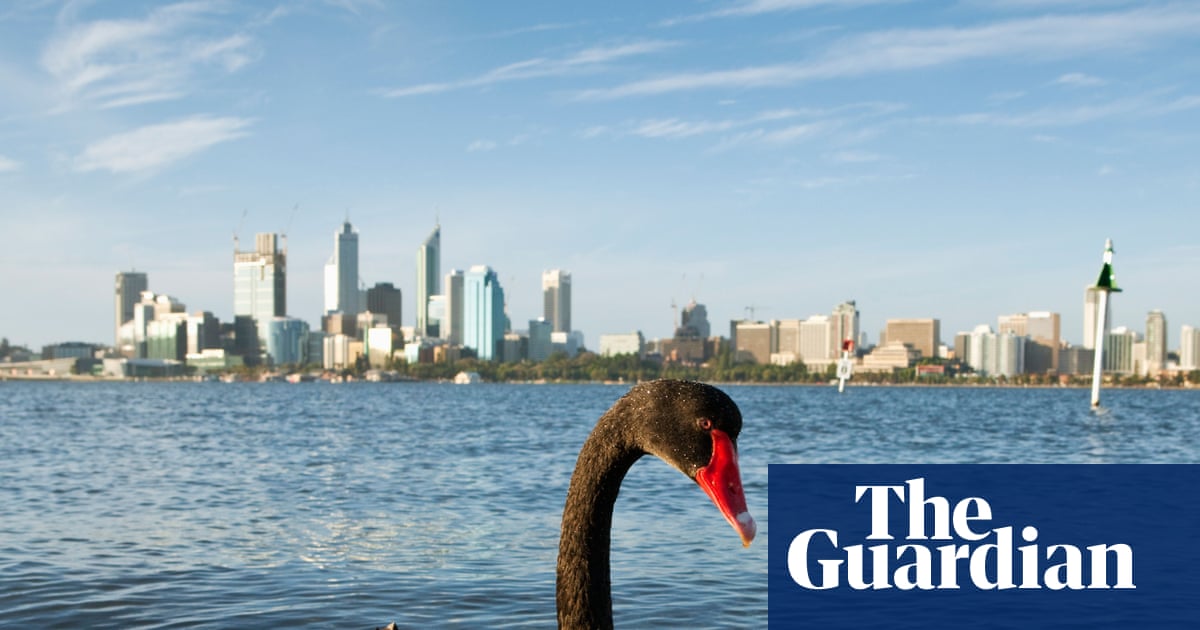
Black swans are said to be especially vulnerable because of research indicating an unusually poor immune response to H5N1.
How the detections unfolded
The federal assessment landed against the backdrop of the first mainland detections in Western Australia. The confirmed birds were found on the state’s south coast near Esperance, prompting intensified surveillance and response planning.
Earlier reporting said a brown skua had tested positive. Later coverage added that a giant petrel in the same area also tested positive.
That chronology matters because it separates a confirmed detection from sustained spread. So far, officials have said no wider spread had been confirmed, even as dead birds continued to be tested.
The distinction is important for wildlife managers and biosecurity authorities. A contained detection can be monitored and traced, but establishment in wild populations would sharply raise the risk of broader spillover.
Why Australia is vulnerable
Australia had been the last continent without the H5N1 strain, and the mainland detections have sharpened concern about what happens if the virus becomes established.
The country’s vulnerability is partly structural. Many native birds and mammals are endemic, which means local declines cannot easily be offset by populations elsewhere.
That is why conservation groups and bird experts have warned that the impact on some species could be severe. BirdLife Australia and other advocates have argued that local wildlife could face major declines if the virus spreads through wild populations.
Seabirds and marine mammals are a particular concern because they often live or breed in dense colonies, where infection can move quickly.
Response planning
Federal and state governments have prepared more than 100 species and habitat response plans, according to reporting on the assessment.
Officials have said Australia cannot fully prevent H5N1 from arriving or spreading, so the emphasis is on mitigation, surveillance and preparedness.
Agriculture Minister Julie Collins has said the country cannot stop the strain from arriving on its shores, underscoring the shift toward response planning rather than prevention alone.
Western Australian Agriculture Minister Jackie Jarvis has also been part of the public response as the state tracks carcasses, testing and surveillance around the original detections.
Authorities are also keeping pressure on poultry and egg biosecurity, even though reporting has said farms were not affected in the latest coverage.
What happens next
The immediate questions are whether more wild birds or mammals test positive in Western Australia, whether the virus appears in South Australia or other states, and whether any spillover turns up in poultry or livestock.
Another open question is how closely the eventual spread, if any, matches the risk model. The federal assessment suggests the consequences could be severe if H5N1 becomes established in the wild.
For now, officials say no broader spread has been confirmed. But the risk assessment makes clear that if the virus takes hold, Australia’s unique bird and mammal populations could be exposed to losses that are difficult to reverse.
Revision note
Initial automated publication.