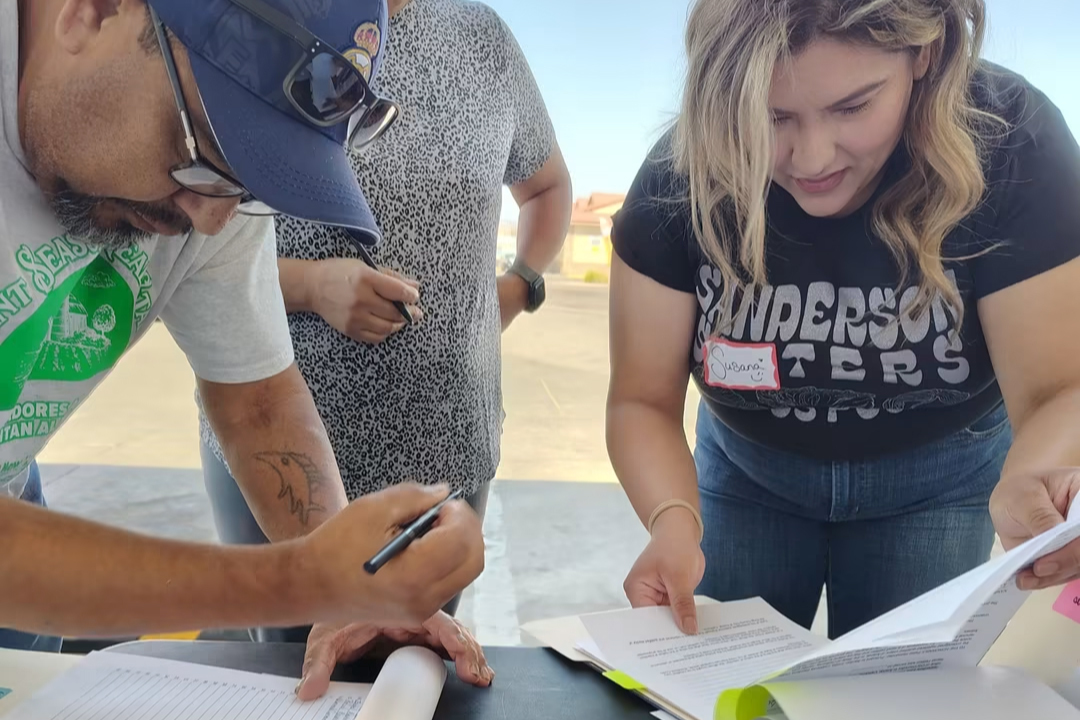
Avenal residents confronted recalled council members at the first meeting after three of them voted to stay in office despite an April recall. The dispute now heads to Kings County Superior Court for a Monday quo warranto hearing approved by California Attorney General Rob Bonta.
Public confrontation
Avenal’s recall fight moved into the council chamber this week as residents confronted recalled city leaders at the first meeting after three of them voted to stay in office.
Dozens of residents packed the June 25 meeting to protest the officials’ refusal to step down. Some held signs demanding that the recalled leaders leave office, and some walked out after police were warned to enforce meeting rules.
The scene showed how a dispute that began at the ballot box has become a test of local authority, courtroom procedure and public trust. The central question is whether the recalled officials can keep serving while the legality of the recall is challenged.
How the standoff began
Avenal voters approved a recall in April that removed four of the city’s five council members. According to the reporting, each successful recall received at least 76% support.
Kings County later certified the results. But on June 11, three recalled council members voted to stay in office and argued that the election was unlawful because Kings County, not the city council, ran it.
The recalled officials at the center of the dispute are Mayor Alvaro Preciado, Leticia Gamez, Pablo Hernandez and David Reynosa. Reynosa was absent from the June 11 vote cited in the reporting.
The result is an unusual governing arrangement: officials who were removed by voters are still participating in city affairs while they challenge the recall’s legality.
The legal fight
The challenge now has an official courtroom path. California Attorney General Rob Bonta approved a quo warranto action, which recall organizers are using to contest the officials’ right to hold office.
Kings County Superior Court is scheduled to hear the case on Monday, June 30.
That hearing is the immediate next test for the dispute. It could determine whether the recalled members can continue serving while the case moves forward, or whether the court will move to remove them sooner.
For now, the city and the recalled members say Avenal still needs functioning government while the legal fight continues.
Why the fight matters
The recall campaign grew out of opposition to the council’s move away from contracting with the Kings County Fire Department and toward a volunteer-based local fire option.
That policy choice turned into a broader fight over control of city government and over who has the authority to decide how Avenal is run.
The stakes now go beyond one meeting or one vote. The dispute could shape whether the city can keep conducting routine business while the recall is litigated, and it may influence how similar recall challenges are handled elsewhere.
Community fallout
The political conflict has also strained relations inside the city. The reporting describes accusations of racism and intense social-media conflict around the recall fight.
Avenal is a small San Joaquin Valley city about 60 miles southwest of Fresno, with roughly 13,000 residents and a large Latino population.
That background helps explain why the June 25 meeting drew such a strong response. Residents were not only reacting to a legal argument, but also to a broader breakdown in trust between officials and constituents.
The meeting confrontation underscored that the issue is not settled by the April vote alone. The elected officials’ decision to stay in office has made the council chamber itself part of the dispute.
What comes next
The most immediate next development is the Kings County Superior Court hearing on June 30.
After that, the unanswered questions are practical as much as legal: whether any of the recalled officials resign, whether the court orders them out while the case proceeds and whether the city can continue routine business without interruption.
The fight is still centered on a local recall, but it has already become a test case for election challenges, municipal authority and public confidence in city government.
,Revision note
Initial automated publication.