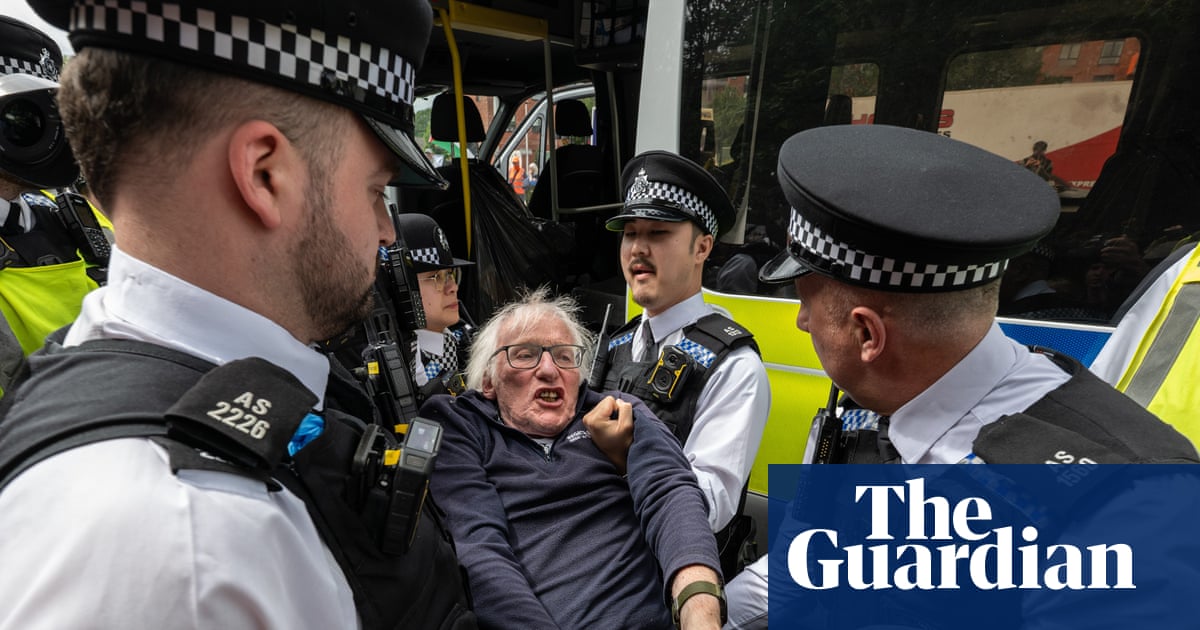
The UK Court of Appeal has upheld the government's ban on Palestine Action, overturning an earlier High Court ruling and preserving the legal basis for prosecutions under terrorism legislation.
Appeal ruling
The UK Court of Appeal has ruled that the government's ban on Palestine Action was lawful, overturning a February High Court judgment and restoring the legal basis for prosecutions brought under terrorism legislation.
The decision is a major victory for the Home Office and keeps the proscription in force for now. It also means arrests and charges tied to support for the group remain on firmer legal ground while the wider challenge continues.
The ruling answers the immediate legal question left open after the High Court found the ban unlawful earlier this year. That decision had raised doubts about the status of prosecutions and enforcement action already taken under the proscription.
How the case got here
Palestine Action was proscribed in 2025 after a series of direct-action protests targeting defence and military sites. The ban quickly became one of the most contested uses of terrorism law against a protest movement in recent years.
In February, the High Court ruled that the ban was unlawful. That judgment briefly weakened the legal footing for the proscription and created uncertainty around arrests and charges linked to it.
The government appealed, arguing that the Home Secretary had acted within her powers. On Monday, the Court of Appeal reversed the earlier ruling and said the ban could stand.
The latest verification was reinforced by reporting from AP, the Financial Times and The Times, all of which described the appellate court as having upheld the proscription.
What the ruling means
The practical impact is significant. AP reported that more than 3,000 people have been arrested in connection with support for Palestine Action since the ban took effect, while AP and The Guardian reported that more than 700 people have been charged.
Many of those cases had been paused pending the appeal outcome. With the Court of Appeal's decision, prosecutors now have a stronger legal basis to continue those proceedings unless further court action interrupts them.
The ruling does not end the dispute, but it removes the immediate uncertainty created by the High Court loss. It also strengthens the government's argument that the proscription was a lawful response to the group's conduct.
Political and civil-liberties response
Home Secretary Shabana Mahmood said support for the Palestinian cause remains lawful, but support for Palestine Action does not. That is the government's central line: the ban is aimed at a specific organisation and its activities, not at political protest more broadly.
Critics have argued the opposite. Amnesty International and Liberty said the proscription misuses counter-terror laws and risks chilling protest and speech.
Their objections go to the heart of the case. Supporters of the ban say the state is responding to covert organisation and violent tactics. Opponents say terrorism powers are being stretched into an area better handled by ordinary criminal law.
What's next
Palestine Action co-founder Huda Ammori said the group would continue its legal challenge, including possible appeals to the Supreme Court and the European Court of Human Rights.
That leaves the case unresolved in the long term, even though the immediate appeal has gone the government's way. A further appeal could still change the final legal position.
The next questions are practical as well as legal: how quickly paused prosecutions resume, whether any charges are reconsidered, and whether police and prosecutors adjust their approach in light of the ruling.
There is also a wider political question hanging over the case. Parliament may face renewed pressure to revisit the scope of proscription powers after a ruling that has become a major test of how far UK terrorism law can be used against direct-action protest groups.
Revision note
Expanded with full chronology, stakes, reactions, and next steps.