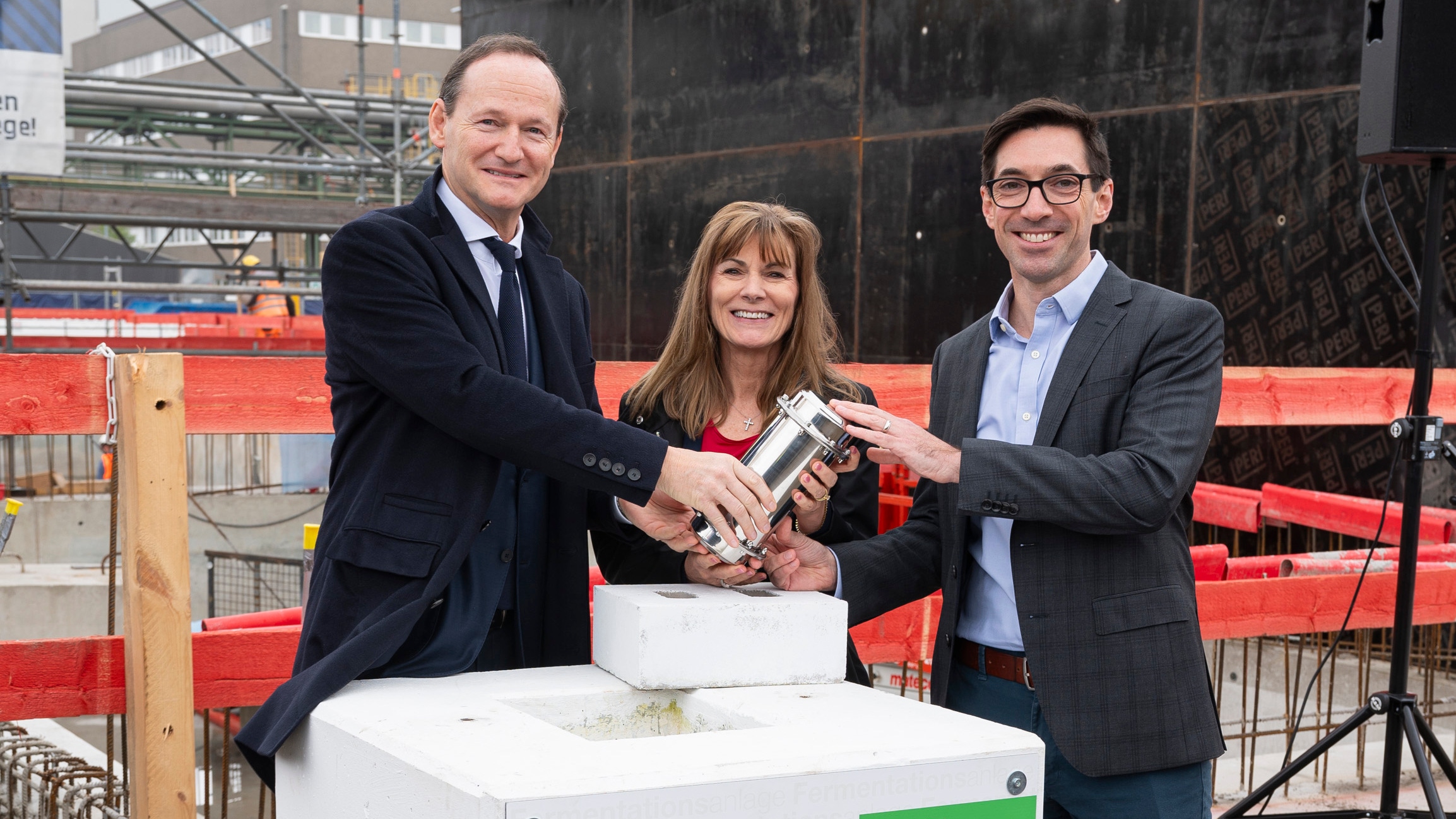
BASF Agricultural Solutions says it has commissioned its BioHub fermentation plant in Ludwigshafen, a new facility intended to make biological fungicides and seed-treatment products. The company says the plant expands biological production capacity and supports more flexible, resilient supply chains.
BASF Agricultural Solutions says it has commissioned a new fermentation plant at its Ludwigshafen site, marking the start of operations at its BioHub facility for biological crop-protection products.
The company said the plant is designed to produce biological and biotechnology-based crop-protection products, including biological fungicides and seed treatments. BASF said the fermentation process uses microorganisms to convert renewable raw materials such as glucose into desired products.
What BASF says the plant will do
BASF says the BioHub is meant to expand its production capacity for biological crop protection and improve flexibility in manufacturing. The company also said the investment was in the high double-digit million-euro range.
According to BASF, the new facility is intended to strengthen supply-chain resilience as demand grows for biological alternatives in crop protection.
Timeline
BASF first announced the project and held a groundbreaking ceremony in Ludwigshafen in March 2024, saying at the time it expected the plant to come online in the second half of 2025. A BASF site update in September 2025 described the BioHub as a multi-product fermentation plant for microbial active ingredients used in seed treatment and biological crop-protection solutions.
On May 11, 2026, BASF Agricultural Solutions said the plant had been successfully commissioned. WELT and other outlets also reported that the new facility had gone into operation in Ludwigshafen.
BASF did not immediately provide a separate standalone press release page in the material reviewed, and it did not specify a commercial output date beyond the commissioning announcement.
Revision note
Initial automated publication.