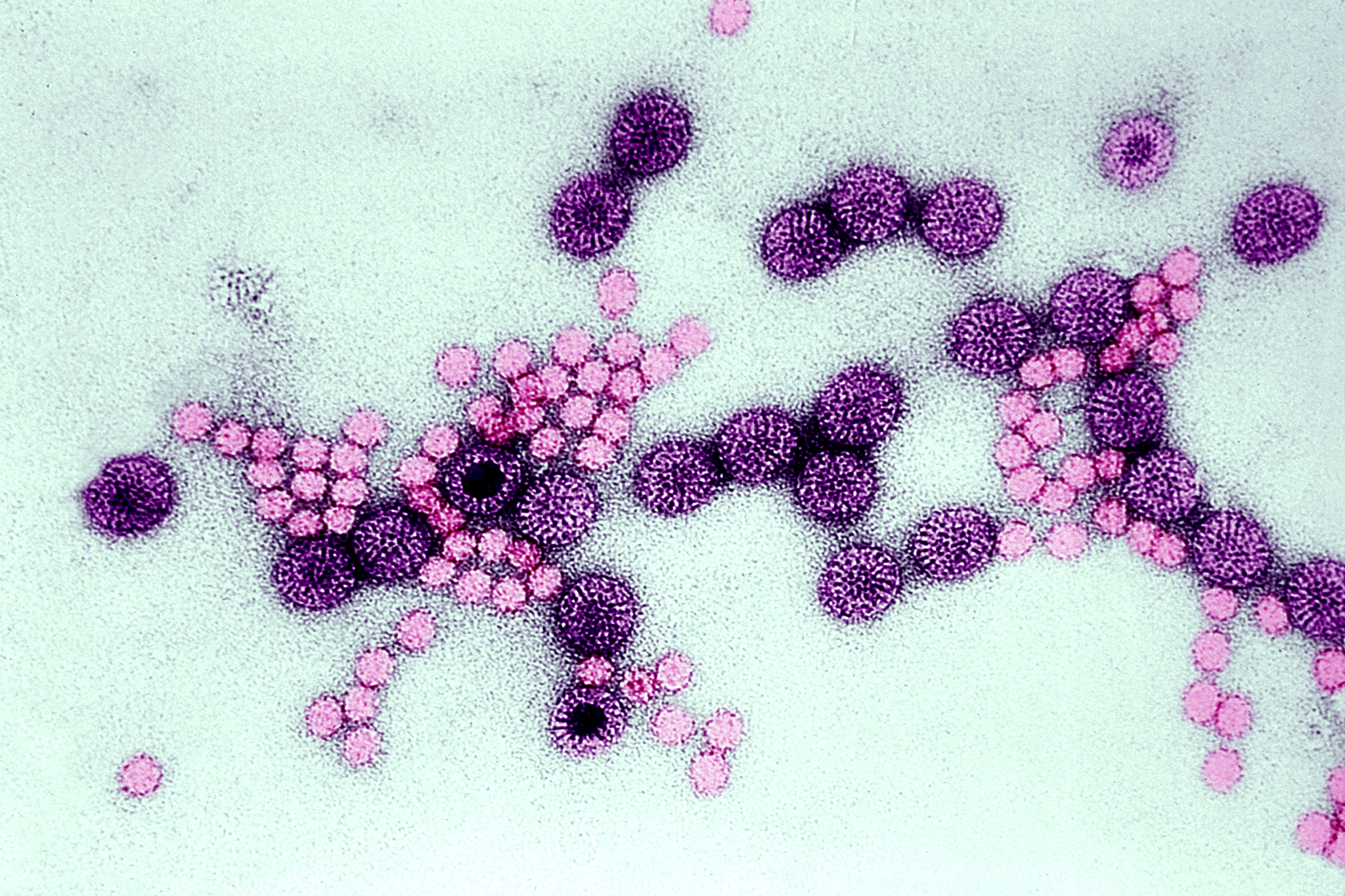
Rotavirus is rising again in parts of the Bay Area after earlier spring peaks eased, and Santa Clara County health officials have advised doctors to watch for symptoms and ask about World Cup attendance.
Mid-June rebound
Rotavirus is rising again in parts of the Bay Area after an earlier spring wave eased, according to wastewater monitoring reported June 26. The renewed increase began in mid-June and showed up in Redwood City, San Jose and Vallejo, although the signal was still below the highest levels seen in April and May.
Santa Clara County Public Health has advised physicians to watch for rotavirus symptoms and to ask whether patients attended World Cup games or related gatherings. The reporting tied the timing of the uptick to the June 11 kickoff of the tournament, but it did not establish that the event caused the increase.
What the wastewater showed
WastewaterSCAN data had already flagged rotavirus as high in several Northern California cities in early spring. On April 2, reporting described a surge in Redwood City, San Jose and Fremont. By May 27, the virus was still high or spiking in several California cities, even as the pattern appeared likely to ease as summer approached.
That made the June rebound notable. The mid-June rise suggested transmission had not simply faded with the spring wave, and it prompted local public-health attention even though the region had not reached the earlier peak again.
Why officials are paying attention
Rotavirus spreads through fecal-oral transmission and is most dangerous for young children, who can become severely dehydrated from diarrhea and vomiting. The June 26 reporting said there is no cure for the infection and that recovery is usually supportive, with rest and fluids.
Health workers are also watching because mass gatherings can increase opportunities for spread through shared facilities, close contact and more frequent travel. The World Cup connection matters as a surveillance clue and a screening question, not as confirmed proof of a source.
Public-health context
The Bay Area pattern sits within a broader Northern California rotavirus wave that has been tracked through wastewater for months. Earlier spring coverage showed the virus persisting across multiple cities, and the new mid-June signal suggests that the season may be more complicated than a simple rise-and-fall cycle.
Officials and clinicians are now focused on whether the rebound stays confined to a handful of cities or expands further across the region. The evidence so far points to elevated wastewater signals rather than a counted outbreak, so the true scope remains unclear.
The reporting also noted that vaccination and hand hygiene remain the main preventive tools. Those measures are especially important for households with infants and young children, and for settings such as day care centers and emergency departments where vomiting and diarrhea can spread quickly.
What to watch next
The next checks are straightforward: whether Santa Clara County posts a public-facing advisory, whether WastewaterSCAN shows the mid-June bump continuing or fading, and whether pediatric clinics, emergency departments or day care settings report clusters of illness.
Public-health officials will also be watching for any broader reaction from clinicians or national agencies if the trend persists. For now, the strongest verified signal is wastewater, along with county-level advice to keep rotavirus on the diagnostic radar during a period of heavy public gatherings.
Revision note
Initial automated publication.