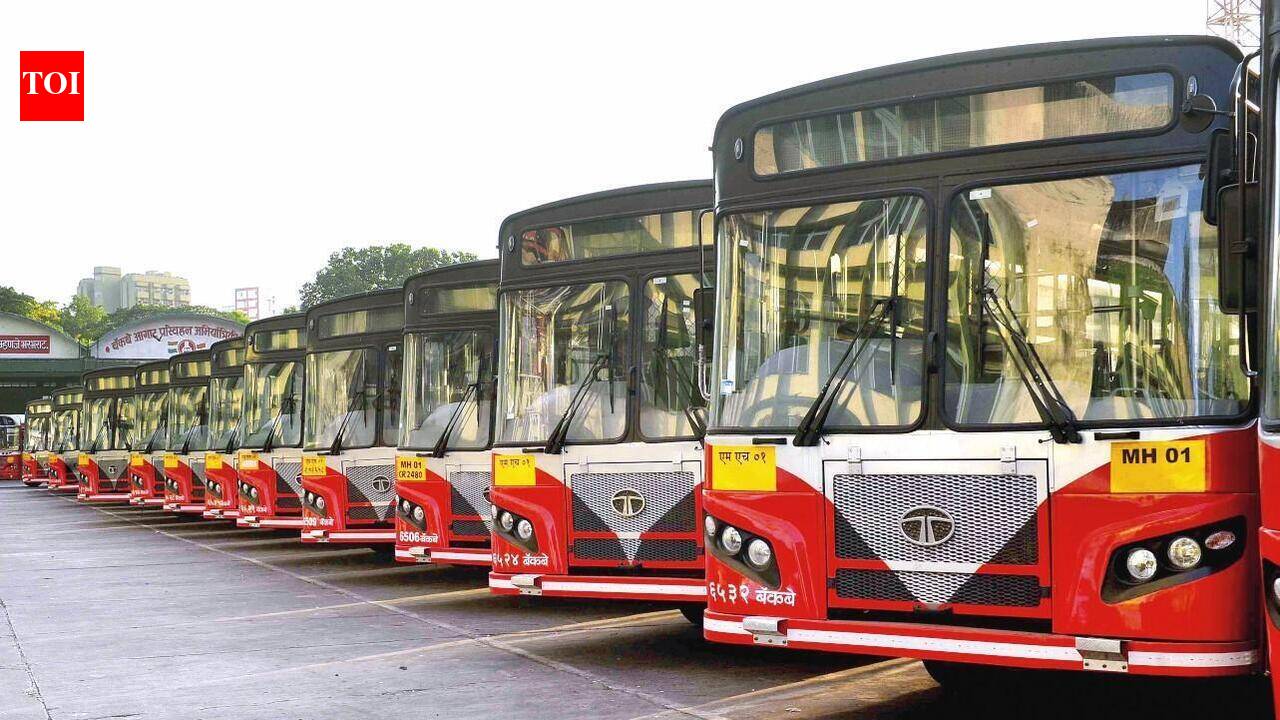
Mumbai’s BEST bus strike has ended after talks with Deputy Chief Minister Eknath Shinde, but service has not yet normalized and only 67% of buses are back on the road.
Mumbai’s BEST bus strike has ended, but the disruption has not fully cleared for commuters. A follow-up report on Monday said only 67% of BEST buses were back on the road, leaving passengers with delays, overcrowding and a transport network that was still short of normal.
The immediate news is not that the strike was settled cleanly and services snapped back into place. It is that the stoppage was called off, but recovery remained incomplete enough to keep pressure on Mumbai’s daily bus users.
Strike called off after talks
BEST employees ended their indefinite strike on Sunday, June 21, after a meeting with Maharashtra Deputy Chief Minister Eknath Shinde at Sahyadri Guest House. That meeting removed the threat of a continuing shutdown, but it did not instantly restore full service.
Earlier reporting showed the dispute moving quickly over several days. On June 17, unions were preparing to strike from June 19 over issues including pay, staffing and fleet expansion. By June 18, the action had become an indefinite strike, and on June 19 the shutdown began.
That initial disruption was significant because BEST is one of Mumbai’s core public utilities. The Economic Times reported that around 23 lakh daily passengers rely on the bus network, making even a partial disruption a citywide problem.
Why the strike mattered
BEST is more than a bus operator. It also handles electricity services, which added to concern around the labor action even though the main public impact reported was on bus travel.
For commuters, the practical effect was three days of uncertainty, delays and overcrowding. The strike was called off on Sunday, but the next day’s reporting showed the system was still well below normal.
A June 22 follow-up report said only 67% of BEST buses were back on the road. That means a substantial share of the fleet was still unavailable, so commuters continued to face longer waits and crowded buses on routes that had not fully recovered.
What workers were demanding
The strike was led by the BEST Sanyukt Kamgar Kruti Samiti, which represents 12 employee unions, according to The Economic Times. The reported demands were wide-ranging and reflected both pay and structural issues inside the utility.
Among the demands were better pay, conversion of contractual drivers into full-time staff, 5,000 BEST-owned buses, merger of the BEST budget with the BMC budget, and payment of dues to retired employees.
The labor front was not completely unified. Reports said the BEST Workers’ Union stayed out of the action, showing that not all employee groups joined the strike.
Commuters still feel the impact
The end of the strike did not mean immediate relief. With only 67% of buses running, Mumbai commuters were still absorbing the aftereffects of the stoppage on Monday.
That matters especially on routes where BEST is a primary mode of daily travel. Even a partial restoration can leave riders squeezed into fewer buses, with knock-on delays across a network that carries a very large share of the city’s passengers.
The longer-term question is how quickly the fleet returns to normal. For now, the key development is that the strike is over, but service restoration remains incomplete.
What happens next
The next checkpoint is whether BEST’s operating fleet rises from 67% toward normal levels over the coming day. That will show whether the call-off translates into practical relief for riders or only a partial reset.
It is also unclear whether the talks produced a formal settlement with written terms or only an assurance-based end to the strike. If the recovery stalls, pressure on the administration and the utility could continue.
For Mumbai commuters, the strike may be over, but the disruption is still unfolding in the service they are getting back.
Revision note
Initial automated publication with expanded chronology and commuter impact.