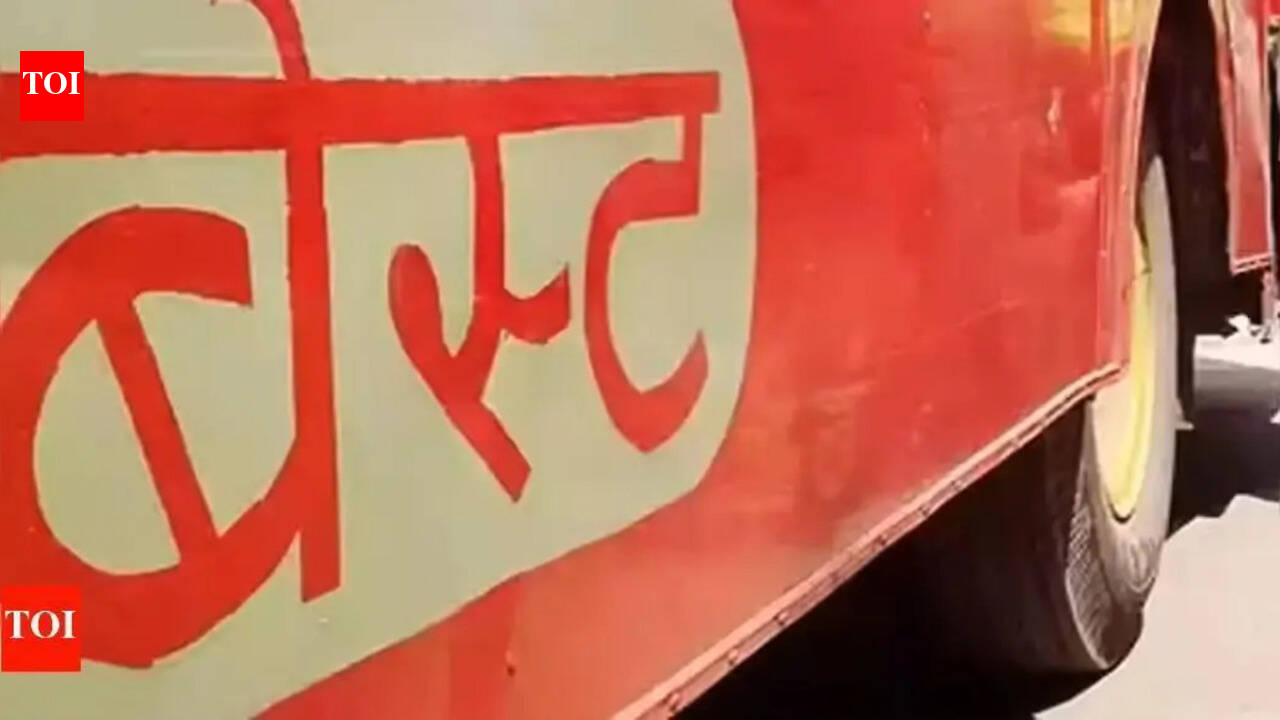
Mumbai’s BEST bus strike entered a second day on Friday, June 20, with service still close to a standstill, commuters shifting to other transport, and talks between union leaders and officials ending without a breakthrough.
Mumbai’s BEST bus strike entered a second day on Friday, June 20, keeping the city’s bus network close to a standstill and forcing commuters to look for other ways to travel.
Reports through the day said only a tiny fraction of the fleet was operating. One account put the number of buses on the road at 32, while a later report said 48 of 2,766 buses were running. Even with the differing counts, the scale of the disruption remained severe.
The strike had already begun to snarl travel on Thursday night and Friday morning. As the shutdown stretched into the day, office-goers, students and other regular riders moved to the metro, rail links, autos and private transport, adding pressure to the rest of Mumbai’s transport system.
Friday’s disruption
Times of India reported that 98% of BEST buses stayed off the roads and estimated that about 23 lakh commuters were affected. The sharp drop in service left passengers waiting at bus stops and intensified rush-hour crowding across the city.
The fallout quickly spilled beyond BEST routes. Mumbai Metro operators reportedly added services as ridership jumped, reflecting how quickly commuters switched away from buses once it was clear the strike would continue.
Some limited contingency buses were reported on a few routes, but they did not restore normal service. By the end of Friday, the network was still heavily disrupted.
Talks end in deadlock
Officials, senior BEST representatives and union leaders held talks on Friday, but the discussions ended without a breakthrough. That kept open the possibility of further disruption into Saturday, June 21, if no new agreement emerged.
The strike was called by BEST employees and union groups, including the BEST Sanyukt Kamgar Kruti Samiti, after long-running demands remained unresolved. Earlier coverage described the action as indefinite.
Pre-strike reports said the unions were seeking better pay, 5,000 BEST-owned buses, a merger of BEST and BMC budgets, and resolution of retirement and regularisation issues for workers across the undertaking.
Why it matters
BEST is one of Mumbai’s most important public transport operators, so even a partial shutdown can reshape travel patterns across the city within hours. Friday’s second-day disruption showed how heavily many commuters still depend on the bus network for daily travel.
The undertaking also has electricity-related responsibilities, which added to the stakes in earlier coverage, although the clearest impact on Friday was on transport. The strike’s reach made it a broader civic issue rather than a narrow labor dispute.
For commuters, the immediate result was delay, crowding and uncertainty. For BEST management and government officials, the pressure is now on to restore service or negotiate a settlement before the disruption deepens further.
What happens next
The key question is whether union representatives and BEST or state officials resume talks and whether either side makes a concession. Without that, the strike could easily continue into the weekend.
Another issue to watch is whether BEST restores more buses on Saturday or issues a formal service update. The conflicting late-day counts suggest the available fleet could still change.
Commuters will also be watching Mumbai Metro and other operators for extra services or continuing crowding if bus disruption persists. For now, the city’s bus network remains at the center of the transport stress.
Revision note
Expanded with full chronology, strike demands, commuter impact, and next-step context.