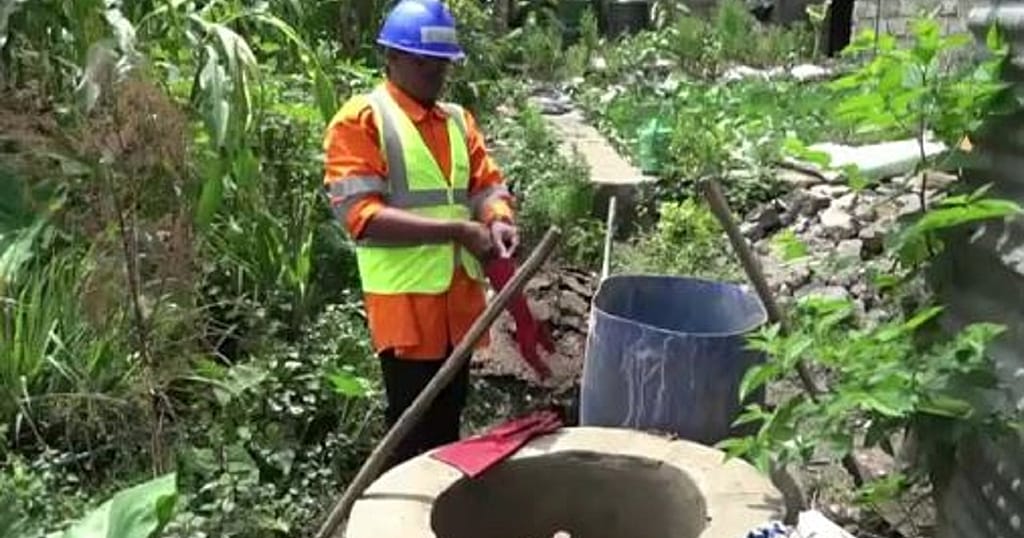
A Goma biogas company says its waste-to-fuel system is a cheaper cooking option that could reduce charcoal use and pollution.
A small biogas company in Goma, eastern Democratic Republic of Congo, is betting that waste-to-fuel technology can help households cut cooking costs while easing pressure on forests and urban air quality.
AFP reporting says Umoja has been making biogas in Goma since 2016 and has built around 50 biogas digesters in the region. The company says it distributes about 720 kilograms of biogas each month.
The pitch is financial as much as environmental. Umoja says a 6-kilogram cylinder costs $8 and can serve a household of three to five people for nearly two weeks, compared with about $30 a month for charcoal.
The company’s model is based on organic waste, which it turns into cooking fuel and fertilizer. Supporters say that could help reduce deforestation, since charcoal remains a major household fuel in the region.
A Congo Circulaire profile identifies Umoja SARL as a Goma-based agroecology startup focused on biodigesters and biogas production. The broader challenge is scale: biogas can work for some households, but the key question is whether it can expand enough to compete with cheaper, more familiar fuels.
For now, Umoja’s experience is a small but practical example of how local energy projects can address both household budgets and environmental pressure at the same time.
Revision note
Initial automated publication.