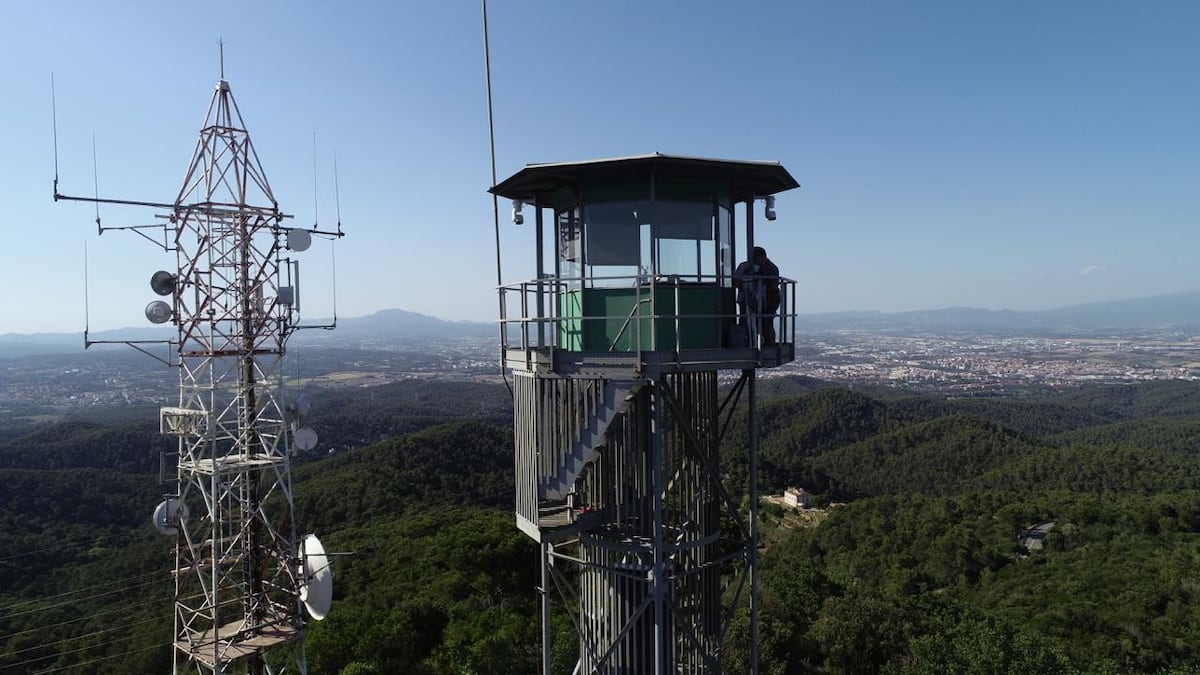
Catalan authorities are stepping up fire prevention and crowd-management measures for Sant Joan as temperatures surpass 40C and wildfire risk remains very high in parts of the region.
Heat and fire risk
Catalonia is heading into Sant Joan under an intense late-June heat wave, with temperatures expected to rise above 40C in parts of the region as the June 23-24 festivities begin.
Authorities have activated a pre-alert for very high fire danger in several comarques, including l'Anoia, Bages, Ribera d'Ebre and Terra Alta. The holiday is one of Catalonia's biggest celebrations and traditionally brings bonfires, fireworks and large outdoor gatherings.
The risk has been elevated by the combination of dry conditions, extreme heat and the fire-prone customs associated with Sant Joan. Earlier in the week, Catalonia was already under severe fire conditions, with 398 municipalities reported at high or very high wildfire risk on June 20.
Fire prevention measures
The Bombers de la Generalitat plan to increase staffing by 40% for the holiday period to help respond to any ignition risk during the celebrations.
Protecció Civil said on June 23 that it was not considering a general ban on firecrackers, even as it warned of very high fire danger in 111 Catalan municipalities and pointed to existing restrictions in the highest-risk forest-adjacent areas.
That leaves local authorities trying to balance the continuation of Sant Joan traditions with the need to reduce the chance that sparks or bonfires could start a blaze near wooded land.
Barcelona's overnight operation
Barcelona is also preparing for a large urban celebration, particularly along its beaches, where crowd pressure, transport demand and cleanup needs are expected to peak overnight.
The city will reinforce security, emergency response, cleaning, public transport and beach surveillance, including around Collserola and Montjuïc.
Authorities have authorized 99 fireworks-selling points in Barcelona, and the metro will run continuously for 43 hours, with extra service on Line 4.
The plan is aimed at keeping the city moving while managing the expected surge of residents and visitors who gather for the night-long festivities.
What to watch overnight
Officials will be watching whether the heat eases before the celebrations wind down, whether any local restrictions are tightened in the most exposed municipalities and whether Barcelona's beach and transit systems can absorb the overnight demand.
They will also be monitoring for fire incidents, transport disruptions or injuries during the night and into the morning cleanup.
The immediate test for Catalonia's emergency services is whether a holiday built around fire can proceed without turning the extreme-weather backdrop into a wider public-safety crisis.
Revision note
Initial automated publication.