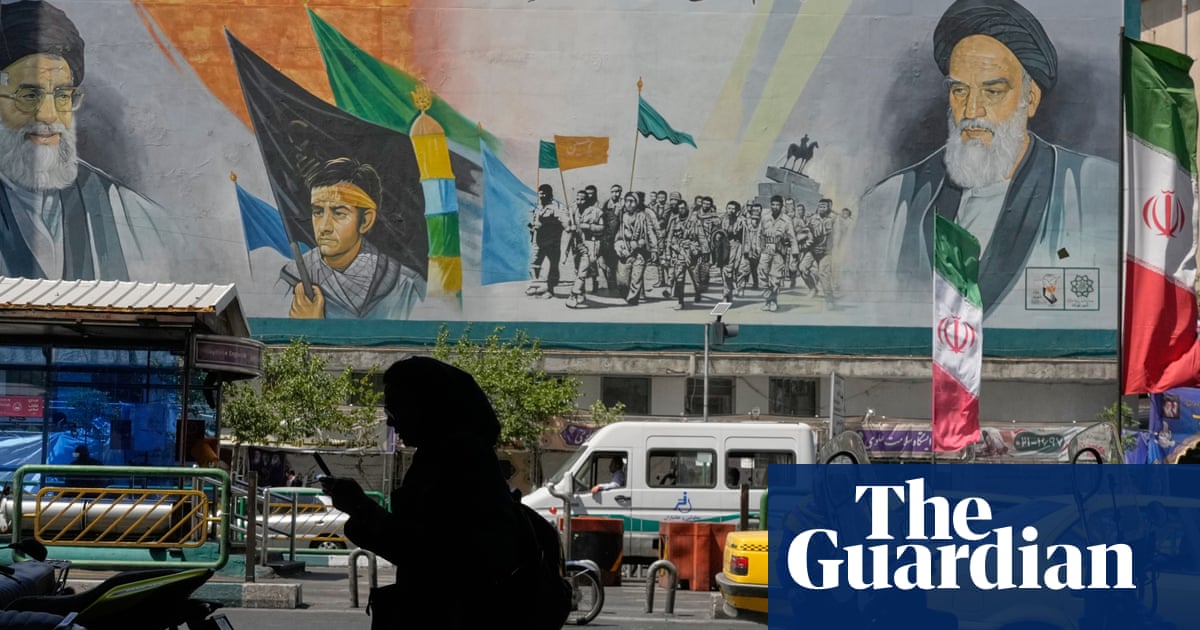
Trump and Iran’s foreign minister each suggested progress in talks over a possible deal, but reporting says major issues remain unresolved and markets are still reacting to the uncertainty.
Talks between the United States and Iran remained fluid on Friday after Donald Trump said the two sides were close to a deal and Iranian Foreign Minister Abbas Araghchi said an agreement had “never been closer,” even as reporting said major questions were still unresolved.
The competing signals sent oil prices lower on the prospect of a breakthrough, then helped push them back up as the market absorbed the uncertainty. The latest round of public comments underscored how much the negotiations are being driven by rapid shifts in tone rather than a confirmed signed text.
What Trump and Tehran said
Trump said on June 12 that the U.S. and Iran were close to a peace deal. That remark immediately raised expectations that the long-running standoff could be moving toward an interim understanding.
Araghchi took a more cautious but still hopeful line. He said a deal had “never been closer,” while also saying talks and internal consultations were still continuing. That left the picture as one of active diplomacy, not a completed agreement.
Iranian officials did not publicly confirm that a final deal had been reached. Reporting across multiple outlets said the latest comments should be read as signs of progress, but not as proof that a signed memorandum or formal text exists.
What remains unresolved
The reporting says several important issues are still open. Those include sanctions relief, the treatment of frozen Iranian assets and the scope of any uranium-enrichment commitments.
The future of broader nuclear negotiations is also unresolved. Some coverage describes the current understanding as an interim arrangement or memorandum of understanding, with more detailed talks to follow later rather than a full settlement now.
The Strait of Hormuz remains another central concern. Any agreement that reduces tensions could help stabilize shipping through the critical waterway, while a failure to close the gap would leave maritime risk and military uncertainty in place.
Market reaction
Oil markets reacted quickly to the back-and-forth. Prices fell sharply after the first reports and statements suggesting a breakthrough, then rebounded as the conflicting claims made clear that the outcome was still uncertain.
That volatility reflects how sensitive traders remain to any sign of easing or worsening tensions between Washington and Tehran. A real deal could calm a key geopolitical flashpoint and reduce pressure on a major global shipping route. A breakdown could prolong confrontation and keep crude markets unsettled.
Why it matters
The stakes go beyond diplomacy. A deal could ease regional military risk and reopen or steady traffic through the Strait of Hormuz, which matters for global energy flows.
It could also shape the terms of sanctions relief and determine whether Iran regains access to frozen assets. Those issues sit alongside the nuclear questions that have long defined U.S.-Iran negotiations.
The reporting fits into a broader cycle of escalation, ceasefire diplomacy and repeated reversals, with each new public statement capable of moving markets and changing expectations within hours.
What to watch next
The next confirmation point is whether either government issues a formal statement that backs up the reported progress. Another key question is whether a signed memorandum, draft text or framework agreement emerges.
It is also unclear how much room remains on the hardest issues: sanctions, frozen assets, enrichment limits and the role of future nuclear talks. Until those are settled, the latest round of optimism remains only that, not a final deal.
Revision note
Initial automated publication.