Chubb CEO Evan Greenberg said the Strait of Hormuz remains a war-zone environment for shipping, with traffic constrained to a narrow channel and the main hazards coming from mines, drones and missiles. He said the U.S. Navy is working to open broader lanes, while Chubb continues to insure vessels transiting the waterway.
Chubb CEO Evan Greenberg said the Strait of Hormuz is still operating as a war-zone environment for shipping, with vessels moving through only a narrow channel while the U.S. Navy works to open broader lanes.
Greenberg's remarks, reported by Barron's on Sunday, underscore how the world’s most important oil chokepoint remains exposed to military risk even as authorities try to keep commercial traffic moving.
Narrow channel, higher risk
Greenberg said transit through the strait is constrained to a limited lane, which makes every passage more operationally difficult. He said the main threats are mines, drones and missiles, and described mines as the greatest uncertainty.
That matters because the Strait of Hormuz handles about one-fifth of global oil transit and any disruption can quickly ripple into energy prices, shipping schedules and war-risk insurance costs.
U.S. effort to widen the lanes
According to the report, the U.S. Navy has been working to open broader transit lanes in the strait. The move is aimed at easing congestion and reducing exposure for tankers and other commercial vessels.
Barron's also reported in March that Chubb had been selected as lead insurer for a U.S. $20 billion tanker-protection backstop program intended to protect oil tankers crossing the waterway. Greenberg has said insurance protection is essential to restore commerce through the strait.
Regional backdrop
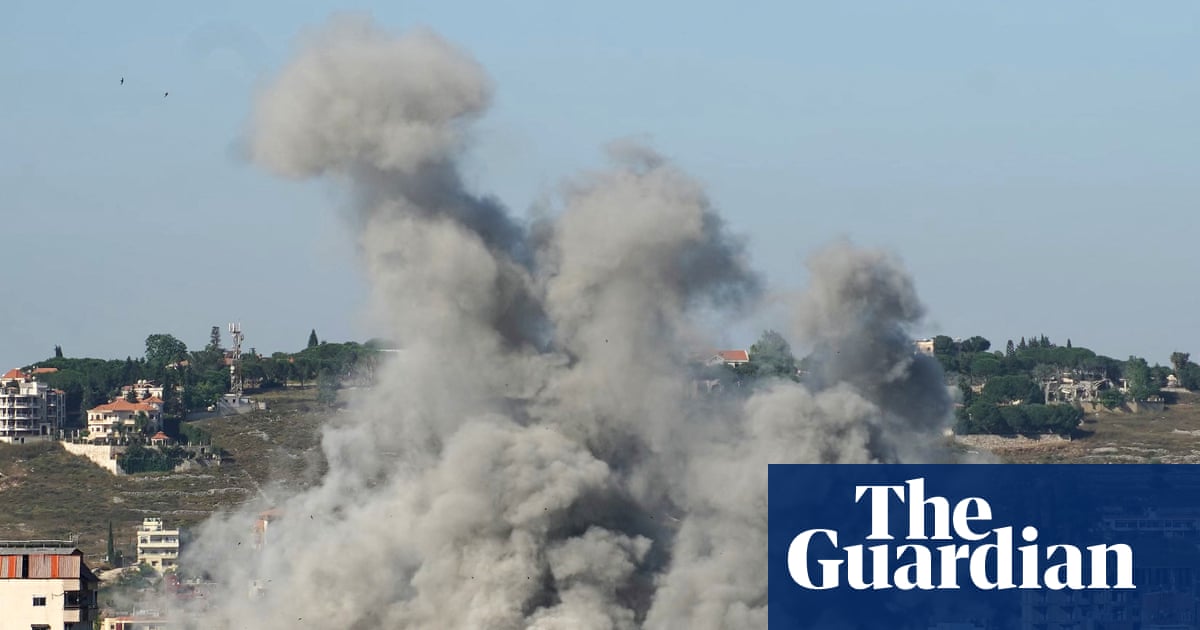
The warning comes amid heightened regional tension. A June 20 Guardian report said Iran declared it was closing the Strait of Hormuz over Israeli strikes in Lebanon, while U.S. officials said the strait remained open and maritime traffic continued.
Barron's said Chubb is still insuring ships that transit the strait. The company’s role puts it at the center of a commercial problem that is also a security problem: how to keep oil shipments moving through a waterway where mines, drones and missiles remain live risks.
What to watch
The immediate questions are whether the U.S. Navy can successfully open wider lanes, whether any new shipping advisories are issued, and whether war-risk pricing changes as the situation develops.
For now, Greenberg's message was blunt: the Strait of Hormuz is still not operating like a normal commercial route.
Revision note
Initial automated publication.