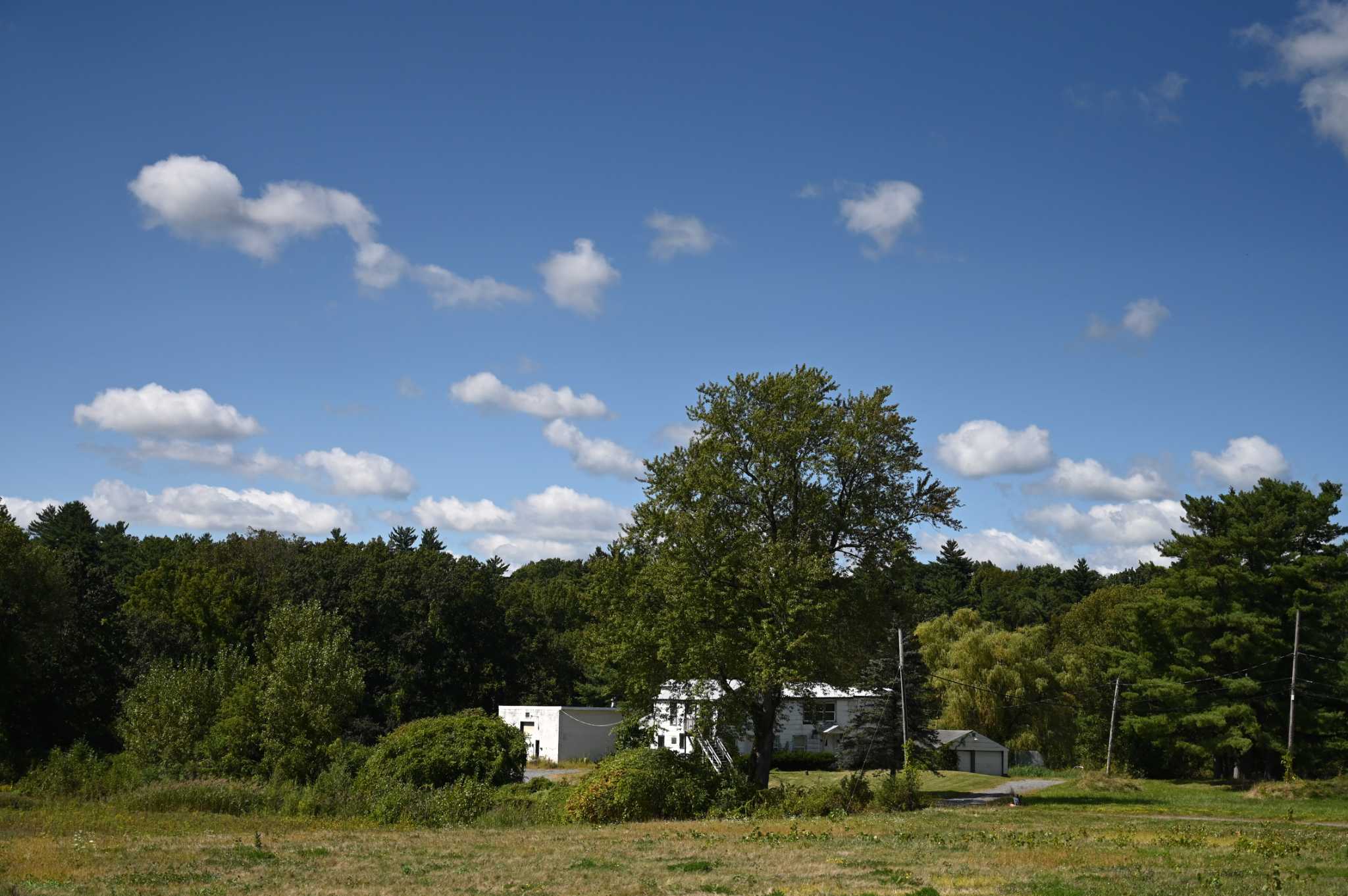
Clifton Park’s Town Board approved a 180-day moratorium on concrete batch plants, temporarily pausing a proposed Bonded Concrete facility on Route 9 while officials review zoning and performance standards. The move followed months of environmental objections, county opposition and warnings of possible litigation.
Clifton Park’s Town Board has approved a 180-day moratorium on concrete batch plants, temporarily stopping a proposed Bonded Concrete facility on Route 9 while town officials revisit zoning rules and performance standards for heavy industrial uses.
The board voted 4-1 on June 17, according to reporting published June 20. The pause gives the town time to examine whether its current code is adequate before deciding how to handle concrete batch plants in light industrial areas.
Town Supervisor Phil Barrett cast the lone dissenting vote and warned the town was exposing itself to serious legal risk. Councilman Mario Fantini proposed the moratorium after opposition to the project intensified.
The project at issue
The moratorium affects a proposed Bonded Concrete ready-mix facility planned for 19.4 acres on Route 9 just south of Ushers Road. Reporting describes the project as a 10,200-square-foot facility with aggregate bins, a conveyor system, cement silos and stockpiles of sand and stone.
At the center of the fight is a broader question: whether a heavy-use concrete plant belongs in a light industrial zone. Supporters of the moratorium say the town needs time to review its standards before deciding whether that kind of operation should be allowed.
How the dispute escalated
The controversy has been building for months. Earlier reporting described residents and environmental advocates raising concerns about the plant’s proximity to the Dwaas Kill, an impaired trout stream, along with worries about dust, noise and traffic.
A September 2025 report said nearby residents and conservation groups were already warning that the plant could harm the stream. A January 2026 report said the town’s Planning Board restored broader public comment and sent the project into a state-led environmental review process.
Those disputes turned the proposal into a larger land-use fight that also touched nearby residential and historic areas. The moratorium does not settle those concerns; it simply pauses the project while the town reviews its rules.
County and town reaction
The Saratoga County Planning Board voted against the moratorium, saying it was crafted to target a particular project. Even so, the Clifton Park board moved ahead with the six-month pause.
Town Attorney Kevin Dailey said the town views the application as incomplete and believes the project has no vested rights that would prevent the moratorium. That legal theory is likely to be central if the measure is challenged in court.
By contrast, attorneys for the property owner and the developer warned that the moratorium would lead to litigation. They argued the town changed the measure in a way that unlawfully singled out the Bonded Concrete application.
Legal and policy stakes
The immediate question is whether the developer or property owner will sue, and if so, how quickly a court would be asked to weigh in.
The broader policy issue is whether Clifton Park uses the moratorium period to rewrite zoning language, strengthen performance standards or draw a harder line around concrete batch plants and other heavy industrial uses.
The stakes extend beyond this one proposal. Town officials are weighing how to regulate industrial activity near sensitive waterways and nearby neighborhoods, while residents and preservation advocates are pushing for more protection around the Dwaas Kill corridor.
For now, the moratorium gives Clifton Park time to study the issue before the project can move forward. What happens next will likely depend on whether legal action is filed, whether town officials draft new standards during the 180-day window and whether state or county review continues on the underlying application.
Revision note
Initial automated publication.