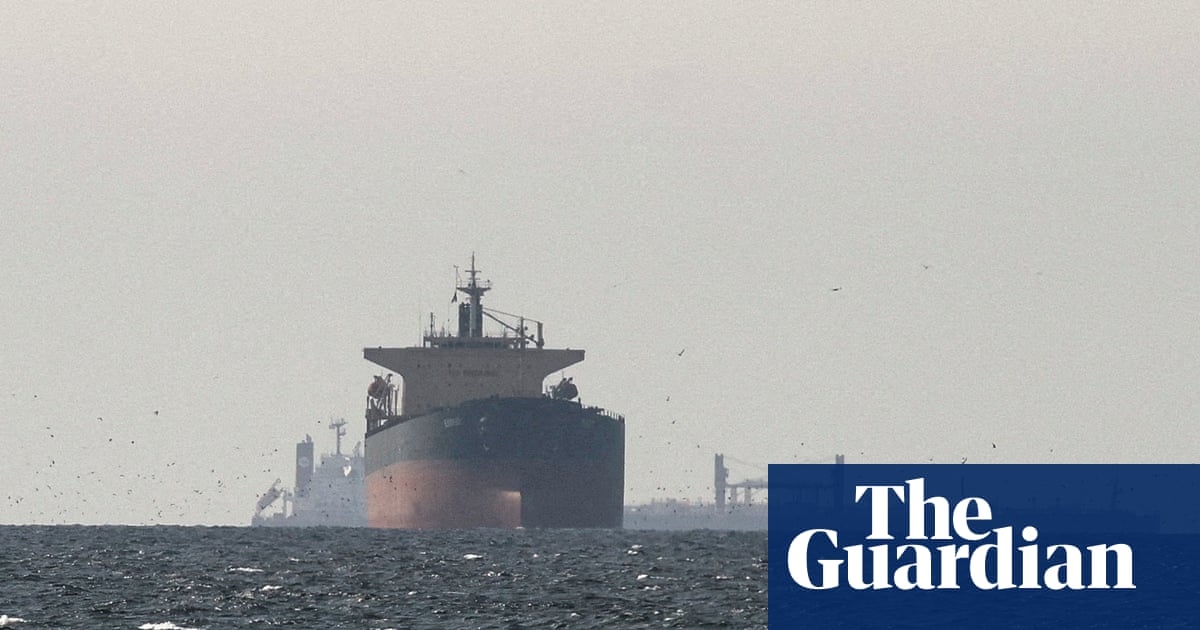
Oil prices eased near $75 a barrel as tanker traffic picked up through the Strait of Hormuz after months of war-related disruption, with Saudi Arabia restarting crude loadings and Iran rejecting a UN-backed evacuation plan.
Crude oil eased near $75 a barrel on Friday as tanker traffic picked up through the Strait of Hormuz after nearly four months of war-related disruption, offering energy markets their clearest sign yet that the chokepoint is reopening. Brent was reported at about $74.95 a barrel, while U.S. West Texas Intermediate traded around $71.60.
Tankers return to the route
The latest move in prices followed reports that more vessels were heading through the waterway after months of curtailed activity tied to the Iran war and the earlier closure of the strait. The Guardian reported a day earlier that Brent had already fallen to about $72.24 a barrel as shipping activity increased and fears over immediate supply losses eased.
The Strait of Hormuz is one of the world’s most important oil transit routes, so even a partial recovery in traffic can quickly affect benchmark crude prices. Traders have been watching whether the increase in vessel movements marks a lasting normalization or only a temporary lull in the security threat.
Saudi loadings restart
A key sign of relief came from Saudi Arabia, where the Wall Street Journal reported that crude loadings resumed at Ras Tanura’s Ju'aymah offshore terminal after a nearly four-month halt. Two very large crude carriers had begun loading, while a third was waiting offshore.
Each VLCC can carry about 2 million barrels, making the restart operationally significant for Gulf supply flows. Saudi Aramco had redirected exports through the Red Sea and the East-West pipeline during the closure, so the return of loadings at Ju'aymah suggests at least some traffic is moving back toward normal routing.
Disruption and rerouting
The shipping recovery follows a prolonged period of disruption that began when the Iran war interrupted movement through the strait on Feb. 28. During that period, the chokepoint’s status forced exporters and ship operators to adjust quickly as the risk to tankers rose.
Saudi Arabia’s use of alternative export routes during the shutdown underscores how sharply the conflict had altered Gulf energy logistics. The restart now gives the market a concrete sign that some of those emergency measures are easing, even if they have not fully disappeared.
Security risk remains
The easing in prices does not mean the security problem has been resolved. The Guardian reported that Iran rejected a UN-backed plan to create temporary evacuation routes for ships trapped in the strait, calling the proposed routes unacceptable and dangerous through its Islamic Revolutionary Guard Corps.
The proposal had been supported by Oman and the International Maritime Organization and was said to involve temporary routes through Iranian and Omani waters. That rejection leaves the shipping situation unsettled and keeps the possibility of renewed disruption on the table.
What traders are watching
The main question for oil traders is whether the current price easing reflects sustained supply relief or only a short reprieve. If tanker flows continue to normalize, more crude could reach the market and add pressure to prices.
If the route is disrupted again, the market could quickly reverse course. Shipping and insurance costs would likely rise, and any renewed incident in the strait could also disrupt Saudi export logistics and broader Gulf energy flows.
The next key signals will be whether Saudi Aramco keeps loadings going at Ju'aymah, whether other Gulf exporters restore more normal routing and whether tanker movements through Hormuz continue to recover over the coming days.
Revision note
Initial automated publication.