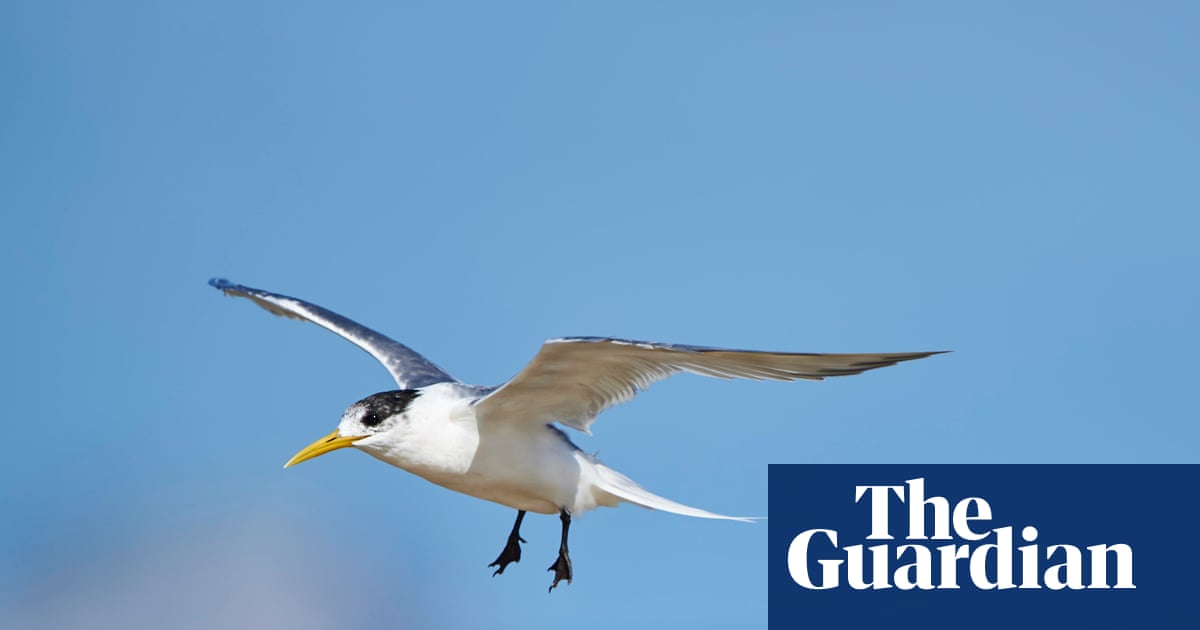
Australian authorities have confirmed H5 bird flu in a greater crested tern on South Australia’s Limestone Coast, the first known detection in a native Australian seabird. Officials say the risk to people remains low and there is no evidence yet of spread to poultry.
Australian authorities have confirmed H5 bird flu in a greater crested tern on South Australia’s Limestone Coast, marking the first known detection of the virus in a native Australian seabird.
The finding matters because earlier Australian detections were linked to migratory sub-Antarctic seabirds, not to a native coastal species. Officials say the new case raises concern that the virus may be moving more widely through local wildlife populations.
Public reporting says the bird was found dead at Robe Marina and tested through state and federal laboratory processes, including work linked to PIRSA and CSIRO. Authorities have since increased surveillance along the coast to look for any further cases in seabirds and seals.
What was confirmed
The case involved a greater crested tern, a seabird native to Australia’s coastline. Federal and state authorities have confirmed the H5 result and described it as the first known detection of this type in a native Australian seabird.
South Australian officials have not said the virus has been found in poultry, livestock or other farm systems. Reporting so far says there is also no evidence of a broader agricultural spread.
Federal Agriculture Minister Julie Collins said the finding was concerning, but not unexpected. South Australian primary industries minister Clare Scriven and state veterinarians have been monitoring the coastline after earlier detections in wild birds.
Why this case matters
Australia had already recorded H5 in migratory seabirds, including giant petrels and skuas, across Western Australia, South Australia and New South Wales. Those cases were serious, but they were in birds passing through from sub-Antarctic regions.
This detection is different because the bird was a native Australian seabird. That makes it a more direct sign that the virus may be present in local coastal wildlife rather than only in migratory species.
The distinction is important for biosecurity. If H5 becomes established more broadly in wild birds, it becomes harder to track and contain, and it could raise the risk of spillover into poultry or other animals.
What authorities are watching next
South Australian authorities are now focused on whether additional suspect wildlife samples confirm more cases. They are also waiting for further CSIRO test results from other birds and animals that have been submitted for testing.
Officials are paying close attention to seabirds and seals, which are being monitored as part of the broader surveillance response. So far, there is no evidence in the reporting reviewed of mass bird deaths or a confirmed spread into farmed animals.
The public-health risk remains low, according to the reporting cited by officials. Even so, authorities continue to treat dead birds and wildlife as a biosecurity concern and are watching closely for any change in the pattern along the South Australian coast.
Revision note
Initial automated publication.