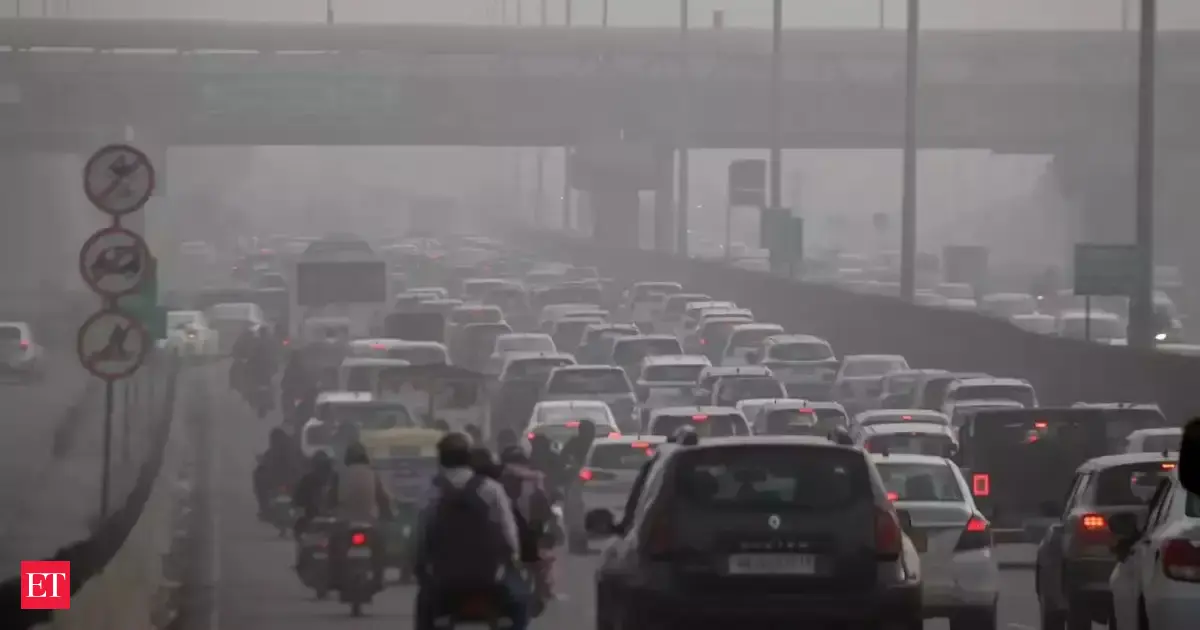
Delhi has notified a winter air-quality framework that will bar non-BS VI commercial vehicles from entering the city from November 1, 2026, alongside PUC-linked fuel sales and higher parking charges.
Delhi has notified a new winter air-quality framework that will bar non-BS VI commercial vehicles from entering the city from November 1, 2026, as authorities move early to tighten pollution controls before the smog season.
The package, called the Proactive Winter Air Quality Management Framework, also links fuel sales to valid Pollution Under Control certificates and raises parking charges. The measures are aimed at cutting vehicular emissions, which remain a recurring target in Delhi’s anti-pollution efforts.
The notification came on June 19, 2026, giving the city several months to prepare for enforcement before winter sets in. The timing suggests Delhi wants to reduce the risk of last-minute restrictions during the season when air quality usually worsens sharply.
What the framework changes
From November 1, non-BS VI commercial vehicles will not be allowed to enter Delhi. Earlier reporting in April had already indicated that goods vehicles below BS-VI norms would be blocked from that date, while BS-VI, CNG and electric commercial vehicles would still be permitted.
The June 19 notification confirms the core restriction and adds the wider winter package. Fuel sales will be tied to valid PUC certificates, and parking charges will be higher as part of the same anti-pollution push.
Why Delhi is acting now
Delhi typically faces its worst air-quality conditions in the winter months. Vehicle emissions are one of the recurring sources targeted by the city government and the Commission for Air Quality Management in seasonal pollution crackdowns.
By moving months ahead of the pollution peak, the government is signaling that it wants border controls, fuel checks and parking measures in place before winter pressure builds. The approach also gives transport operators time to adjust fleets and routes ahead of the deadline.
Enforcement questions remain
The research packet does not confirm whether the final order includes explicit exemptions for Delhi-registered commercial vehicles. It is also not clear whether the restriction applies only to goods vehicles or to a broader set of commercial fleets.
Another open question is which agency will handle border enforcement and how penalties will be applied. Those details will matter for truck and goods-vehicle operators that regularly move freight into and through the capital.
What to watch next
The main immediate follow-up is the formal order text, which should clarify the scope of the ban and any exemptions. Transport operators will also be watching for implementation details at Delhi’s checkpoints and border entries.
It will also be worth tracking whether the government announces additional winter measures alongside the vehicle-entry ban. For now, Delhi has put a major transport restriction on the calendar well before the smog season begins, with November 1 set as the key enforcement date.
Revision note
Expanded into a fuller initial report with chronology, policy details, stakes and open questions.