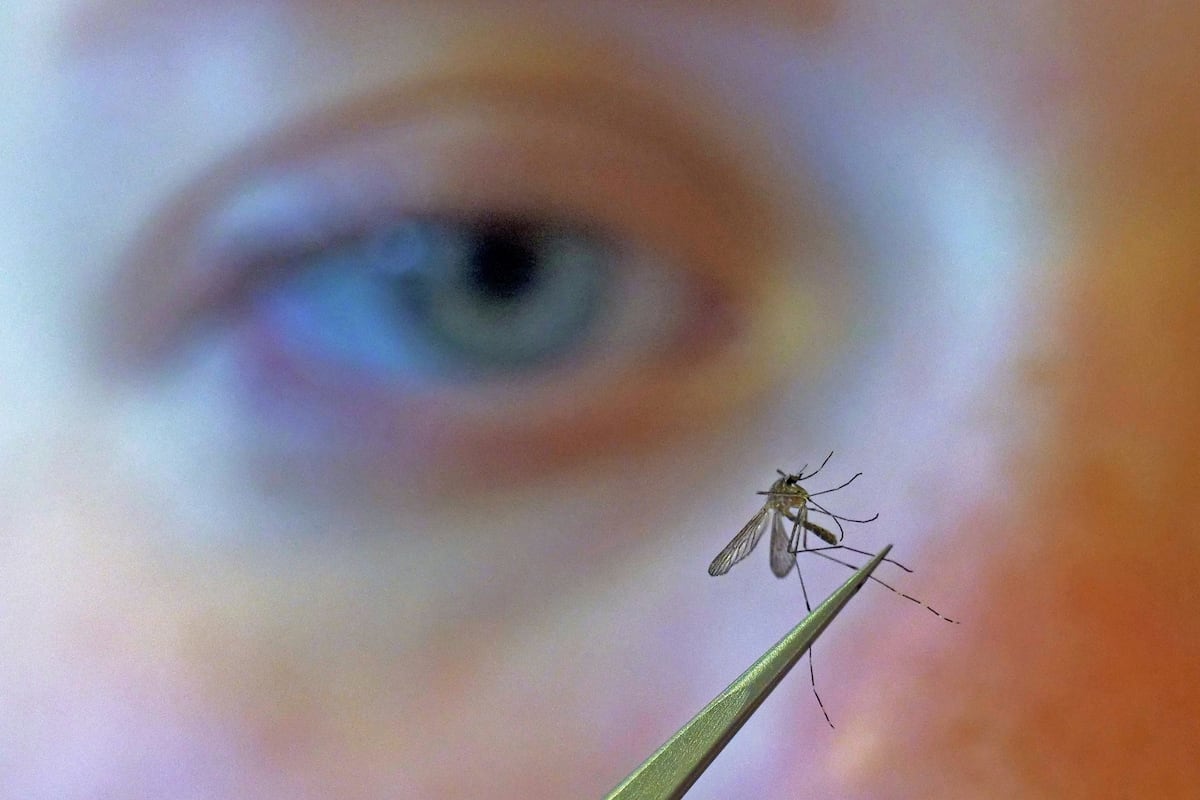
Spain has confirmed its first human West Nile fever case of the summer in Alicante. The patient, a 53-year-old man, was diagnosed on July 1 and has been discharged, while infected mosquitoes were also detected in Seville and Almeria.
First human case of the summer
Spain has confirmed its first human case of West Nile fever this summer in Alicante, according to reporting published on Friday. The patient is a 53-year-old man who began showing symptoms on June 30, was diagnosed on July 1 and has since been discharged from hospital.
The case is the season's first confirmed human infection in Spain and arrives during a period of active surveillance for the virus in several parts of the country. West Nile fever is transmitted by mosquitoes of the Culex genus.
The reporting says the Ministry of Health notified the case to European authorities. It also places Spain among the European countries with confirmed cases this summer, alongside Italy, North Macedonia, Romania and Greece.
What happened in Alicante
The timeline in the reported case is short and clear. Symptoms appeared on June 30. The diagnosis followed on July 1. After spending several days in hospital, the patient was allowed to return home.
No additional clinical details were included in the reporting beyond the patient's age and recovery. The article published by EL PAÍS says the case was already communicated to the European Union through Spain's health authorities.
The Alicante diagnosis is significant because it is the first human case of the summer, not just another seasonal detection. That makes it the main public-health development in the story, even though the patient has recovered.
Mosquitoes detected in Andalusia
The same week, mosquito surveillance also turned up West Nile virus in traps in Pulpí, in Almeria, and in Benacazón, in Seville. Those detections were in mosquitoes, not in humans.
At the time of the coverage, no confirmed human cases had been reported in either of those areas. That distinction matters: infected mosquitoes show that the virus is circulating, but they are not the same as a human infection.
Together with the Alicante case, the mosquito findings point to broader summer circulation of the virus in Spain. They also explain why public-health authorities are monitoring both people and vectors closely.
Why the virus is being watched
West Nile virus circulates between birds and mosquitoes and can spill over to humans when infected mosquitoes bite. In Spain, the main seasonal concern is the activity of Culex mosquitoes during warmer months.
That makes summer the most important period for entomological surveillance, public alerts and preventive measures. The detections in Alicante, Almeria and Seville fit that pattern: one confirmed human case and separate evidence of infected mosquitoes in other provinces.
The public-health stakes are straightforward. More circulation in mosquito populations can increase the chance of additional human cases, especially if conditions remain favorable for the vector.
What authorities will be watching next
The immediate question is whether the Ministry of Health, the Valencian regional government or local authorities provide more clinical or epidemiological detail about the Alicante patient. The reporting does not include any further breakdown on exposure or infection source.
Another open issue is whether more human cases appear in Alicante, Andalusia or elsewhere in Spain. The research packet also flags the possibility of new mosquito detections in Seville and Almeria, which would help map how widely the virus is circulating.
Authorities will also be watching for any additional control measures, such as intensified vector control or updated public-health messaging. For now, the confirmed picture is one recovered patient in Alicante and a wider signal of West Nile virus in mosquito populations in southern Spain.
Revision note
Expanded into a full news report with chronology, mosquito context, public-health stakes, and next steps.