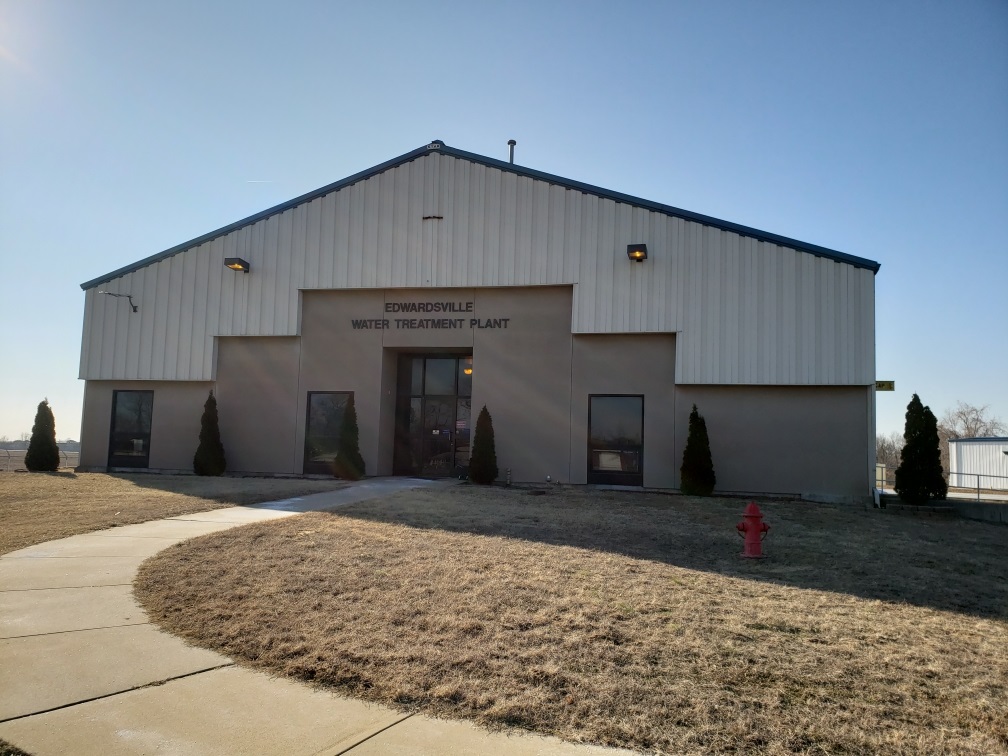
Edwardsville is preparing a water-rate ordinance tied to an estimated $29 million project to replace aging Water Plant 1 and upgrade parts of the city’s water distribution system. The proposal is expected to get a first reading June 16, after aldermen earlier approved seeking a low-interest Illinois EPA loan for the work.
Edwardsville is preparing to raise water rates to help pay for an estimated $29 million project that would replace aging Water Plant 1 and upgrade parts of the city’s water distribution system.
The proposed water-rate ordinance is expected to come before the City Council for a first reading on June 16, 2026. City officials have not finalized how large the increase will be.
A major water-system project
The rate proposal is tied to a broader plan to overhaul the city’s water infrastructure. The project would replace Water Plant 1 on Wanda Road, which was built in the 1950s, and would also support upgrades to the distribution system.
Ryan Zwijack, the city’s public works director, said Water Plant 2 was built in the 1990s and Water Plant 1 in the 1950s. Even with the work, the city says total plant capacity would remain 8.8 million gallons per day.
The project estimate includes construction, installation, engineering, legal, financial and related expenses, according to the city memo described in local reporting.
How the city plans to pay for it
The rate discussion follows action taken in May, when Edwardsville aldermen approved an ordinance authorizing the city to seek a low-interest loan from the Illinois Environmental Protection Agency’s Public Water Supply Loan Program.
That financing would be used only for water treatment plant improvements. The loan would be repaid through water-system revenues, and the council memo described it as a 20-year obligation with semiannual principal and interest payments.
Local reporting said the city was not approved for the loan this year and plans to reapply on January 1 if needed.
What happens next
The June 16 council reading is the next formal step for the rate ordinance. After that, the proposal is expected to go through review by the Public Services and Administrative and Community Services committees.
The city still has several open questions to settle, including the final size of the increase and the timing of the larger plant replacement work. Those details will shape how much the project affects customers and how quickly the city can move forward.
For residents and businesses, the immediate effect would be higher monthly water bills if the ordinance advances. For city officials, the goal is to keep treatment capacity reliable while older infrastructure is retired and replaced.
The proposal now enters the public review process, where Edwardsville will have to balance the cost of rebuilding critical water infrastructure against the burden on customers.
Revision note
Initial automated publication.