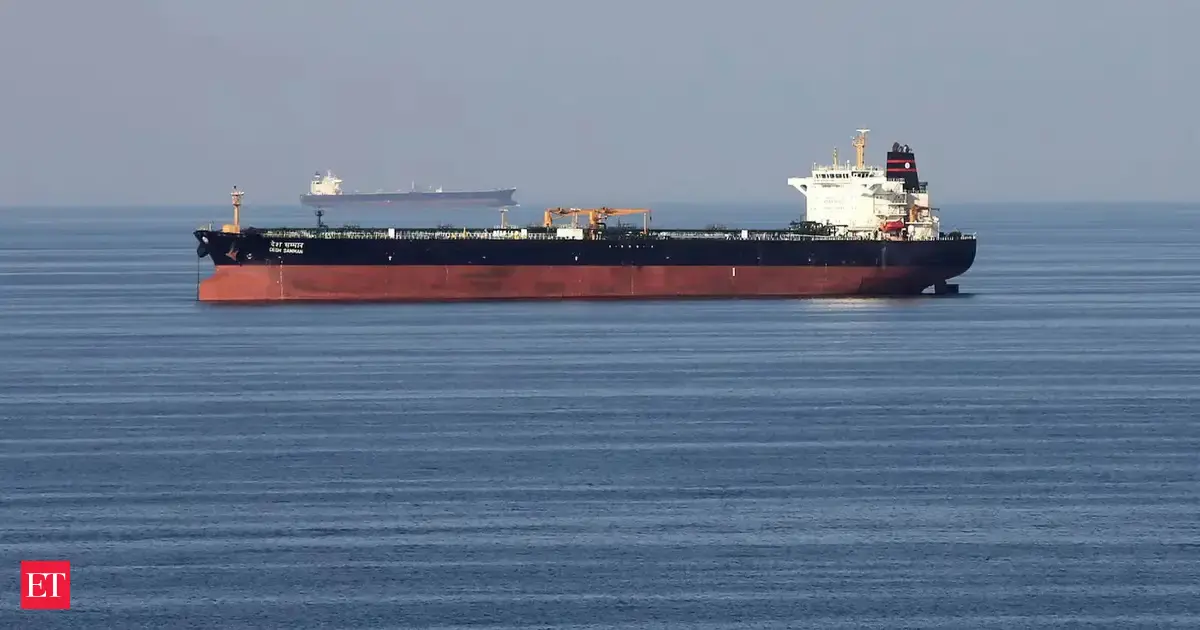
India's foreign ministry says 11 India-bound vessels have crossed the Strait of Hormuz since the June 17 U.S.-Iran memorandum of understanding, a sign of immediate relief for shipping routes tied to Indian energy and trade flows.
India said on Tuesday that 11 India-bound vessels have crossed the Strait of Hormuz since the U.S.-Iran memorandum of understanding signed on June 17, framing the movement as an immediate sign of relief for shipping tied to India.
The Ministry of External Affairs' count, reported by The Economic Times, comes as India publicly welcomes the agreement and watches closely for any broader stabilization of the vital Gulf waterway.
India sees early shipping relief
MEA spokesperson Randhir Jaiswal was quoted in the reporting as saying the vessels had crossed since the June 17 deal. The figure is limited to India-bound traffic, but it is significant for a country that depends heavily on the strait for energy imports and trade flows.
National Security Adviser Ajit Doval has also described the agreement with cautious optimism, reflecting New Delhi's hope that the arrangement will reduce disruption for shipowners and importers.
The wider deal remains unsettled
Despite the higher traffic, the status of the Strait of Hormuz is still contested. Associated Press has reported that shipments are increasing, but the future of the corridor remains unsettled as the United States and Iran continue to disagree over control and possible tolls or fees.
Guardian live coverage said Iran and Oman formed a joint working group to oversee the strait's future administration, and that the arrangement includes 60 days of toll-free passage before any potential fee collection.
That makes the current easing provisional rather than a lasting settlement. India is treating the vessel crossings as a positive near-term signal, but the political terms around the passage have not been fully settled.
What to watch next
The main questions are whether India gets more detail on which ships crossed and what cargoes they carried, whether the crossings happened with any escort or routing assurance, and whether Iran eventually seeks to impose fees after the temporary period ends.
For now, the development points to cautious improvement in a critical sea lane, not a final resolution.
Revision note
Initial automated publication.