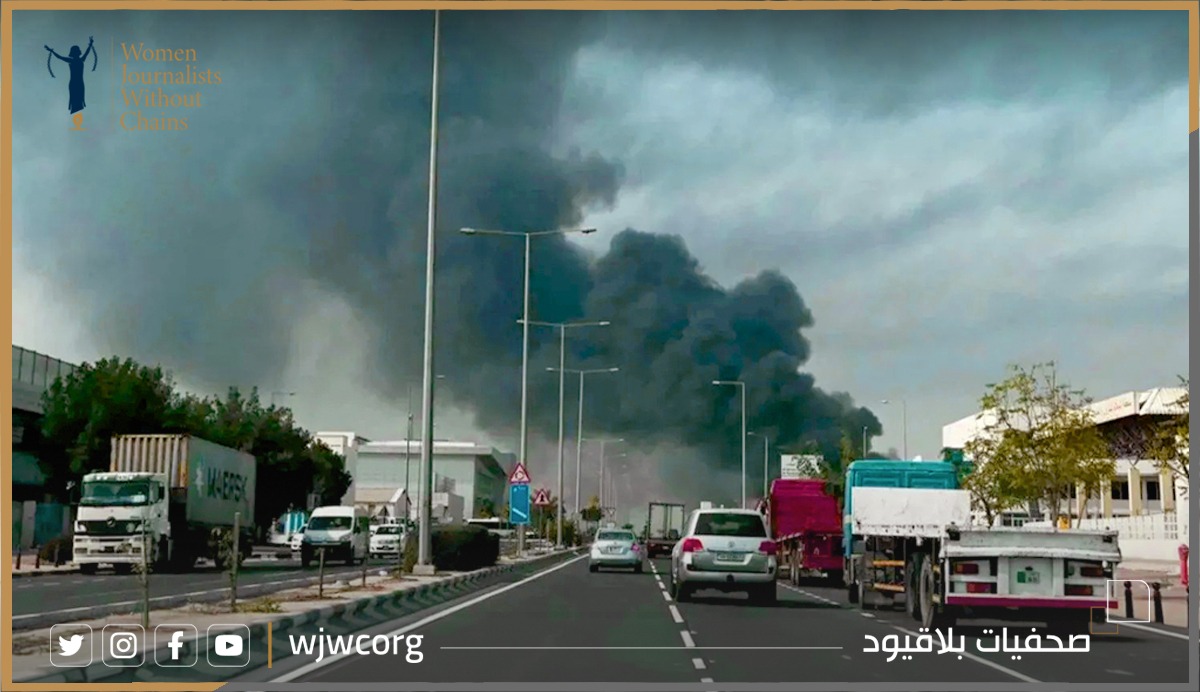
New warnings from advocacy groups and international institutions say the Gulf conflict is increasingly centered on attacks on civilian infrastructure.
Advocacy groups and international institutions are warning that the Gulf conflict is increasingly centered on attacks on civilian infrastructure.
A solidarity statement published Sunday said the conflict has widened over the past two weeks and that energy facilities, water desalination plants, electricity networks and transport systems have sustained significant damage. The statement called for urgent protection of telecommunications, emergency access and civilian services.
The warning echoes earlier concerns from Human Rights Watch, which said attacks on oil and gas infrastructure in Iran and Gulf states risk catastrophic civilian harm. The European Union and Gulf Cooperation Council also said in a joint statement last month that recent attacks targeted civilian infrastructure, including oil facilities, service facilities and residential areas.
On April 2, U.N. Secretary-General António Guterres said civilians and civilian infrastructure must be respected and protected. AP also reported Sunday that Iran had struck infrastructure targets in neighboring Gulf countries and that the U.S. and Iran were trading new threats of further escalation.
The latest statements do not resolve who is responsible for every reported strike, but they point to a growing alarm over the damage the conflict could inflict on daily civilian life, from power and water to transport and emergency response.
The broad concern is that infrastructure once treated as off-limits is now becoming a central feature of the conflict.
Revision note
Initial automated publication.