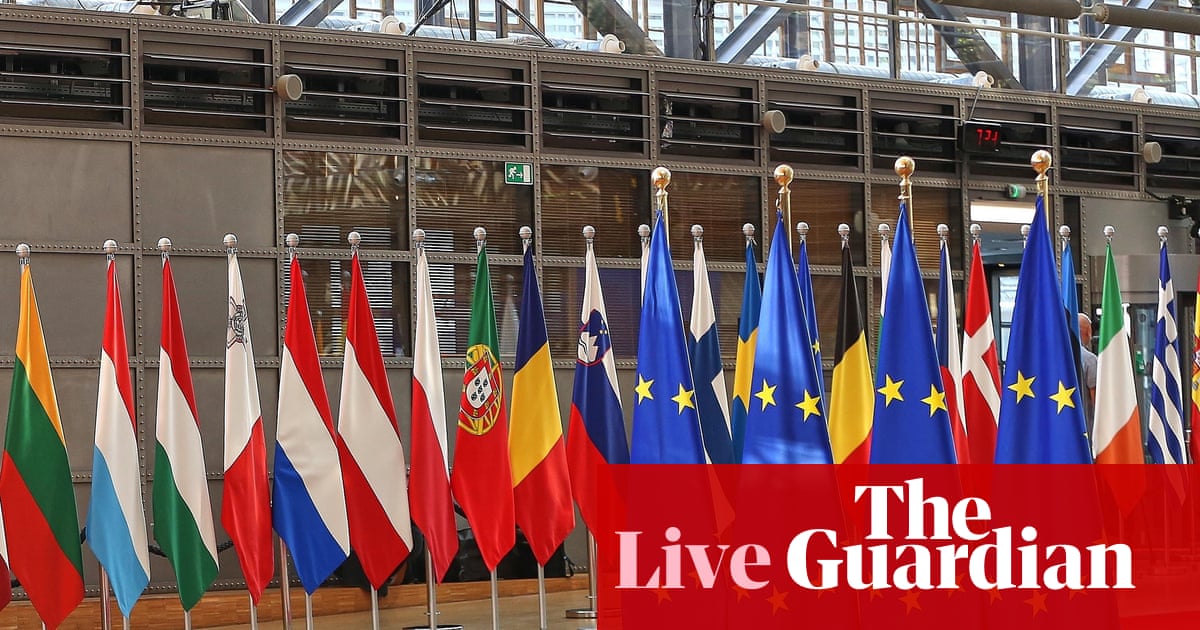
EU leaders meeting in Brussels signed a joint statement backing Ukraine, urging Russia to accept a full and immediate ceasefire and enter meaningful peace talks, while summit discussions moved on to the bloc's next budget.
EU leaders meeting in Brussels on Friday signed a joint statement backing Ukraine, pressing Russia to agree to a full, unconditional and immediate ceasefire and to enter meaningful negotiations for a just and lasting peace.
The statement was issued as the European Council summit continued on 19 June 2026, with leaders later turning to separate talks on the EU's 2028-2034 budget. It marks a fresh display of unity around Ukraine at a time when the war remains the central foreign policy test for the bloc.
The wording also reflects the EU's effort to keep diplomatic pressure on Moscow while avoiding any suggestion that support for Ukraine is weakening. According to the live coverage, the statement says Russia has intensified missile and drone attacks against Ukrainian cities and energy infrastructure.
What leaders agreed
The joint statement says the EU remains determined to increase pressure on Russia and continue weakening Russia's war economy. That language matters because it links the bloc's political backing for Ukraine directly to its sanctions posture and wider economic measures against Moscow.
The Guardian's live report said the declaration was the first joint statement by all 27 member states since March 2025, underlining how difficult it has been to preserve unanimity as the war has dragged on and as some governments have raised objections in other parts of the EU agenda.
The summit statement does not, based on the available reporting, spell out any new sanctions package or new military commitment. It does, however, keep the pressure on Russia at the centre of the EU's public message while leaving follow-up decisions to later talks.
Summit chronology in Brussels
The Ukraine declaration came during a day of broader summit business in Brussels. Live coverage said leaders signed off on the joint statement and then moved on to the more contentious debate over the EU's long-term budget.
Ukrainian President Volodymyr Zelenskyy was part of the wider political backdrop to the meeting, while European Council President António Costa, European Commission President Ursula von der Leyen and German Chancellor Friedrich Merz were among the key figures involved in the summit discussions.
The timing matters. The statement was first reported in live coverage at 08:59 UTC, and by later updates the leaders had already shifted to budget negotiations. That sequence suggests the Ukraine item was handled as a major political signal before the summit moved on to disputes that are likely to be harder to settle.
Budget tensions in the background
The separate budget talks are expected to run through the rest of the summit and have already exposed competing priorities inside the bloc. Irish leader Micheál Martin said there are competing demands around agriculture in the budget negotiations.
Merz said the EU should not take on further debt in the new budget, highlighting one of the core fault lines in the talks. The Ukraine statement therefore landed inside a summit that is balancing external security commitments with highly sensitive internal spending arguments.
That dual track is important for understanding the political context. EU leaders are trying to present a united front on Ukraine while also managing divisions over how the next multi-year budget should be financed and what it should prioritize.
Why it matters
For Ukraine, the statement is another public commitment from the EU to maintain political pressure on Russia and keep support for Kyiv visible after months of strikes and continued damage to energy infrastructure.
For Russia, the message is that the EU wants to sustain sanctions pressure and keep weakening the Russian war economy while still urging a ceasefire and negotiations. The bloc is pairing diplomatic language with a warning that economic pressure will continue.
For the EU, the immediate question is whether this political unity translates into any concrete next steps, including sanctions, financing or military support. The current reporting confirms the statement itself, but not any new package attached to it.
What happens next
Leaders are expected to brief reporters after the summit session, which could bring more detail on sanctions, aid or diplomacy.
Another open question is whether the budget negotiations will produce any Ukraine-related spending decisions later in the day. That would be the clearest sign that the statement is being matched by practical follow-through.
Earlier in the week, AP reported that G7 leaders had pledged more help for Ukraine, including air defenses, energy resilience and sanctions pressure on Moscow. The Brussels statement adds another layer of support, but the next test will be whether the EU turns its language into decisions.
Revision note
Initial automated publication.