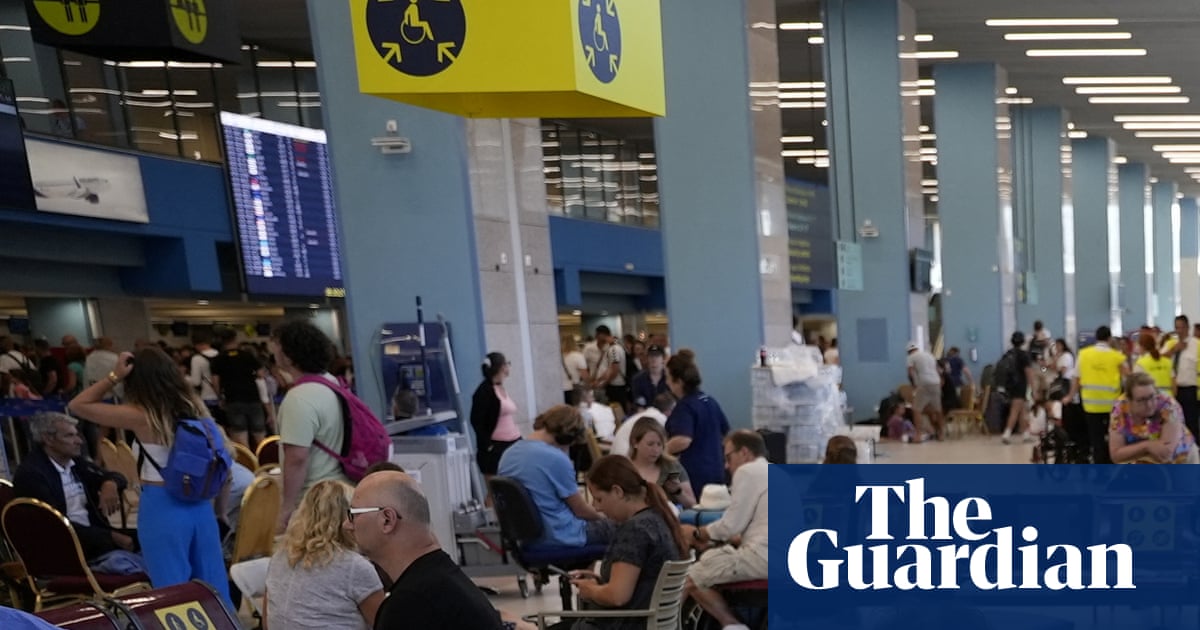
Fraport Greece chief Alexander Zinell is urging the EU to overhaul its new Entry/Exit System after reports of queues, heat exposure and delays at Greek airports. EU officials have resisted a suspension, while airport and airline critics say the rollout needs redesign.
Summer pressure on border checks
The boss of Greece's largest airport operator is calling on the EU to overhaul its new Entry/Exit System after reports of long queues, heat exposure and delays at seasonal airports during the summer travel rush.
Alexander Zinell, chief executive of Fraport Greece, said the system is creating conditions that are not just inconvenient but dangerous at some airports handling heavy non-EU traffic. Fraport Greece operates 14 airports, including Corfu, Rhodes, Mykonos and several in Crete.
The EU system requires biometric registration for non-EU travelers entering and leaving the Schengen area, replacing the old passport-stamp model. The issue has become more acute in Greece because British travelers make up a large share of summer arrivals.
What changed this summer
According to reporting on Thursday, the complaints have sharpened since the system became fully operational in April 2026. The Financial Times reported that airports have faced queues, technical problems and some flight delays as the checks were introduced.
The Guardian reported that Zinell described the checks as unpleasant and dangerous and said some airports need temporary shelters so passengers can wait out of direct sun while border checks are completed.
The operational strain is most visible at seasonal airports, where passenger volumes rise sharply during the summer and there is less spare capacity to absorb slower border processing. That makes Greece a particularly exposed test case for the rollout.
Greece's temporary flexibility
There is no formal nationality-based exemption from the EU rules, but the way the checks are being applied has varied during peak traffic periods. FT reporting said Greek police have temporarily suspended biometric checks for UK citizens at some times to manage congestion.
AP reported in June that Greece rejected suggestions there would be a permanent exemption for British travelers. Any skipped checks were described as temporary traffic-management flexibility, not a legal change to the border regime.
That distinction matters because the dispute is now about whether the system can work safely and reliably in the places where it is most likely to cause crowding, rather than about whether the system itself exists.
Pressure on Brussels
The criticism is no longer limited to one airport operator. The Guardian said airlines and industry groups including IATA and Ryanair have urged the EU to suspend or delay the rollout until next summer.
EU officials have resisted that demand and said the problems are concentrated at a small share of border points. Their position leaves airport operators arguing for redesign or at least more operational flexibility at the busiest gateways.
The immediate concern is passenger safety as well as delay. Long queues in high temperatures can increase pressure on staff, tighten connection windows and raise the risk of missed flights during the peak holiday season.
The broader political pressure is also building because Greece depends heavily on non-EU tourism and because the summer months are when its island and coastal airports are least able to absorb extra processing time.
What happens next will depend on whether the European Commission responds to the renewed criticism and whether Greek authorities keep using temporary flexibility through the rest of the summer peak.
Revision note
Initial automated publication.