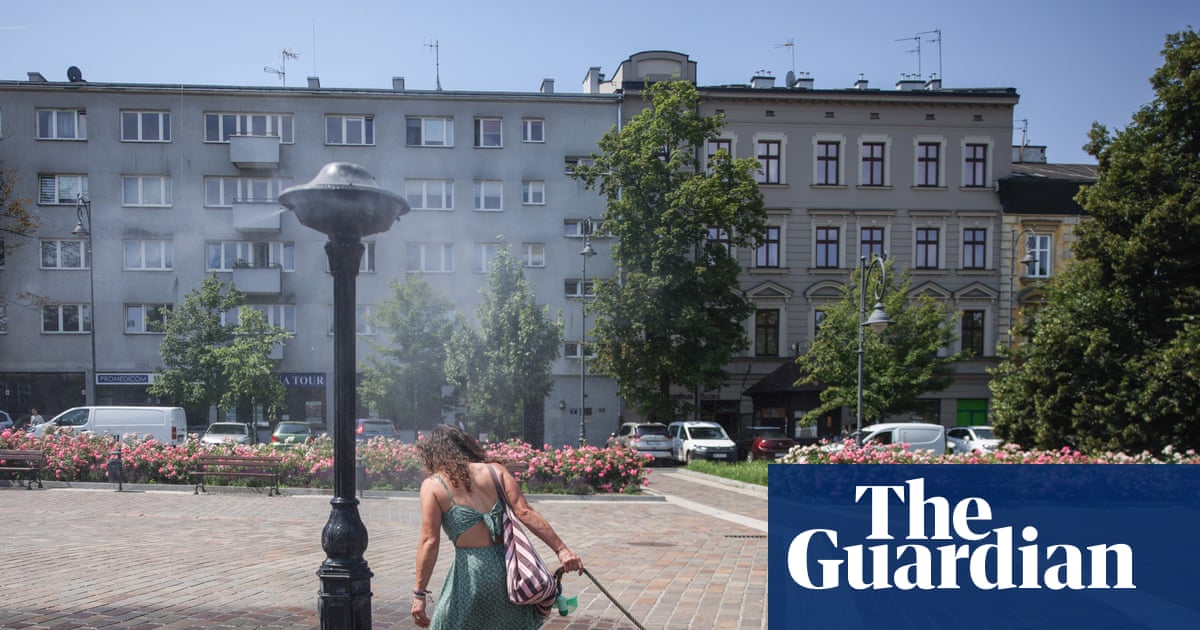
A late-June heatwave that first hit western Europe has moved east into Central Europe, bringing fresh heat-health warnings, transport disruption and record-risk temperatures.
The late-June heatwave that first battered western Europe has now shifted east, with Central Europe facing the fiercest heat, fresh public-health warnings and the prospect of new national records.
Reporting on June 28 said more than 191 million people across the region were facing temperatures of at least 35C. The strongest pressure has moved toward Poland, Czechia and Slovakia, where forecasters were warning of temperatures above 40C and officials were preparing for further disruption.
Heat shifts east
The broad pattern is now clear: the extreme temperatures that first triggered alerts across Spain, France and Germany are no longer confined to the west. By June 27 and June 28, the hottest conditions were moving into Central and Eastern Europe, where weather agencies and civil protection authorities began issuing urgent warnings.
The Guardian reported on June 28 that Poland, Czechia and Slovakia were braced for temperatures above 40C. The newspaper’s earlier live coverage on June 27 had already documented the spread of record heat across the continent, as the heatwave continued to intensify and shift east.
France had already recorded its hottest day ever earlier in the week, according to Le Monde’s reporting of Météo-France data. Germany also saw severe heat, including a nighttime minimum of 29.4C in Bautzen in eastern Saxony, underlining how little overnight relief the heat was bringing.
Central Europe under warning
The latest escalation has put Poland, Czechia and Slovakia under particular strain. In Poland, the government’s security agency sent text messages urging people to avoid the sun, limit strenuous activity, drink water and wear hats.
Czech officials were also warning of exceptional temperatures. The Czech Hydrometeorological Institute said it expected temperatures to exceed 41C by quite a bit, and reporting said the country had already seen a national record of 40.6C on June 27.
Slovakia was facing temperatures above 39C, with its 40.3C record from 2007 at risk. Poland was also watching its all-time temperature record of 40.2C from 1921, which reporting said could be broken as the heatwave peaks.
Public safety measures
The temperature spike has triggered a range of emergency and cooling measures. In Berlin, police deployed water cannon to help cool residents, while Deutsche Bahn advised against non-essential travel over the weekend because of heat-related strain.
German rail warnings reflect a wider concern across Europe that the heat is affecting transport as well as public health. The broader reporting on the heatwave has described disruption to rail networks, travel plans and everyday mobility as infrastructure and passengers are pushed harder by sustained high temperatures.
These steps follow days of mounting alerts across the continent. Le Monde’s earlier coverage described an unprecedented red-zone pattern sweeping from Spain to Germany, with heat warnings expanding as the continent entered a prolonged period of dangerous temperatures.
Health impact
The heatwave is also carrying a serious health toll. In France, the national public health agency said there were 1,000 additional deaths recorded between June 24 and June 27 compared with previous months, although the figures were provisional and expected to rise.
That figure is not yet final, but it underscores the scale of the risk for older adults, isolated people and outdoor workers, who are among the most vulnerable during prolonged heat. The event is also putting pressure on emergency services, hospitals and local cooling measures across affected countries.
The broader stakes go beyond a weather milestone. Heatwaves of this length and intensity can quickly overwhelm public-health systems, especially when overnight temperatures stay high and the body has little chance to recover.
What forecasters are watching
Authorities and meteorologists are now watching whether Poland, Czechia or Slovakia confirm new all-time temperature records on June 28 or June 29. They are also monitoring whether heat-health alerts widen further or remain in place into the next day.
Other open questions include how many additional heat-related deaths French health authorities will ultimately attribute to the wave, and whether comparable official updates from Hungary, Romania or Moldova add to the picture of eastward spread.
The immediate picture is of a continent-scale emergency that began in western Europe and is now centered farther east. With temperatures still climbing in parts of Central Europe, officials are urging caution while forecasters wait to see whether the latest wave of records will be set by the end of the weekend.
Revision note
Initial automated publication.