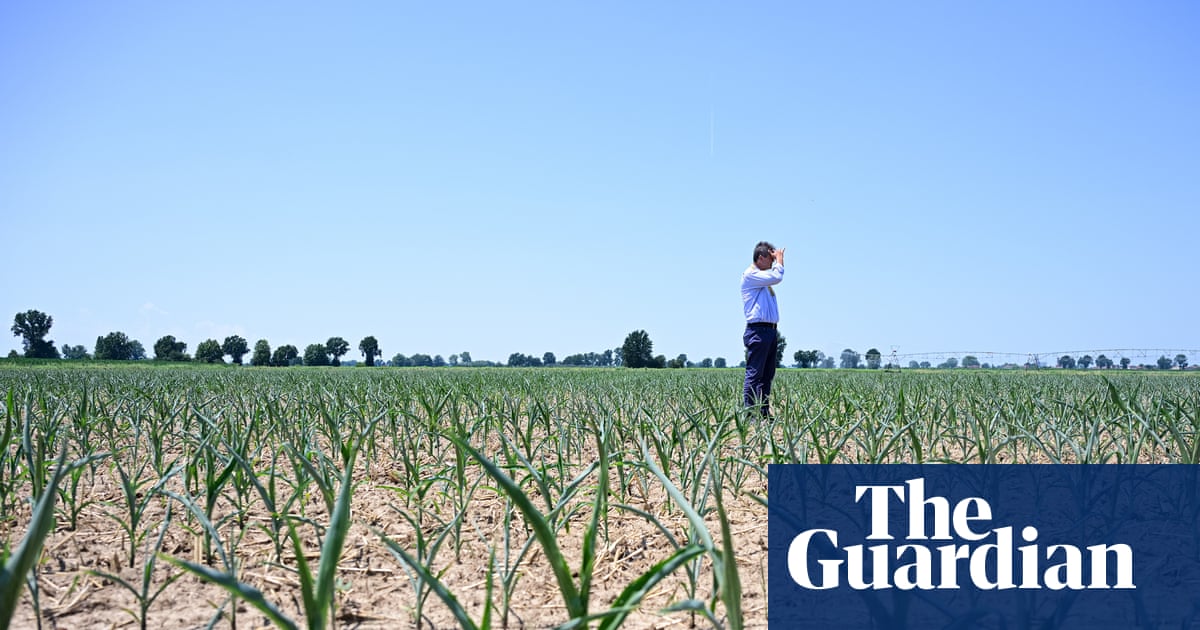
European Commission vice-president Teresa Ribera said a late-June heatwave across Europe is a warning to reject climate denial and accelerate adaptation, clean-energy investment and resilience measures.
Heatwave warning
European Commission vice-president Teresa Ribera said the late-June heatwave sweeping Europe should be treated as a warning to reject climate denial and move faster on adaptation, clean energy and resilience.
In an interview published by The Guardian on Monday, Ribera called the weather a “dramatic warning” and said policymakers are failing people if they do not address the causes of warming, invest in clean energy and prepare for a hotter climate.
She said Europe should not listen to fossil-fuel industry vested interests over scientists and citizens. Ribera also warned that climate misinformation can weaken support for the EU Green Deal and broader climate policy.
The comments came as much of Europe faced dangerous temperatures, with separate reporting the same day describing readings above 40C in parts of central and eastern Europe.
A continent under strain
Reporting on Monday described widespread disruption tied to the heatwave, including wildfires, school closures, strain on power grids and rising heat-related deaths in several countries.
The public-health toll is still being tallied, and the available reporting contains differing death figures. One briefing cited more than 1,300 heat-related deaths, while another account covering France and Spain cited more than 1,800 excess deaths. Those figures were not independently verified in the source material reviewed here.
Even with that uncertainty, the broader pattern is clear: Europe is already facing severe heat events that are testing health systems, transport networks and energy infrastructure.
Policy stakes
Ribera linked the crisis not only to adaptation, but also to the economics of the transition. She said Europe’s clean-energy shift is a competitiveness issue because fossil fuels are imported rather than produced domestically.
That argument sits at the center of the EU’s climate debate. Supporters of the Green Deal say the bloc must cut emissions, strengthen resilience and reduce exposure to imported fuels. Critics, including climate-skeptic voices, have pushed back against that agenda and often frame it as unnecessary or too costly.
Ribera, a former Spain environment minister who now serves as the European Commission’s executive vice-president for a clean, just and competitive transition, used the heatwave to argue that the costs of delay are already visible.
What to watch
The next signals to watch are whether the European Commission turns Ribera’s warning into a formal adaptation or resilience announcement, and whether national governments respond with new heat-response measures.
Officials and health agencies are also expected to update mortality estimates as more complete data becomes available. For now, the heatwave stands as both a public-health emergency and a policy argument for faster action on climate change.
Revision note
Initial automated publication.