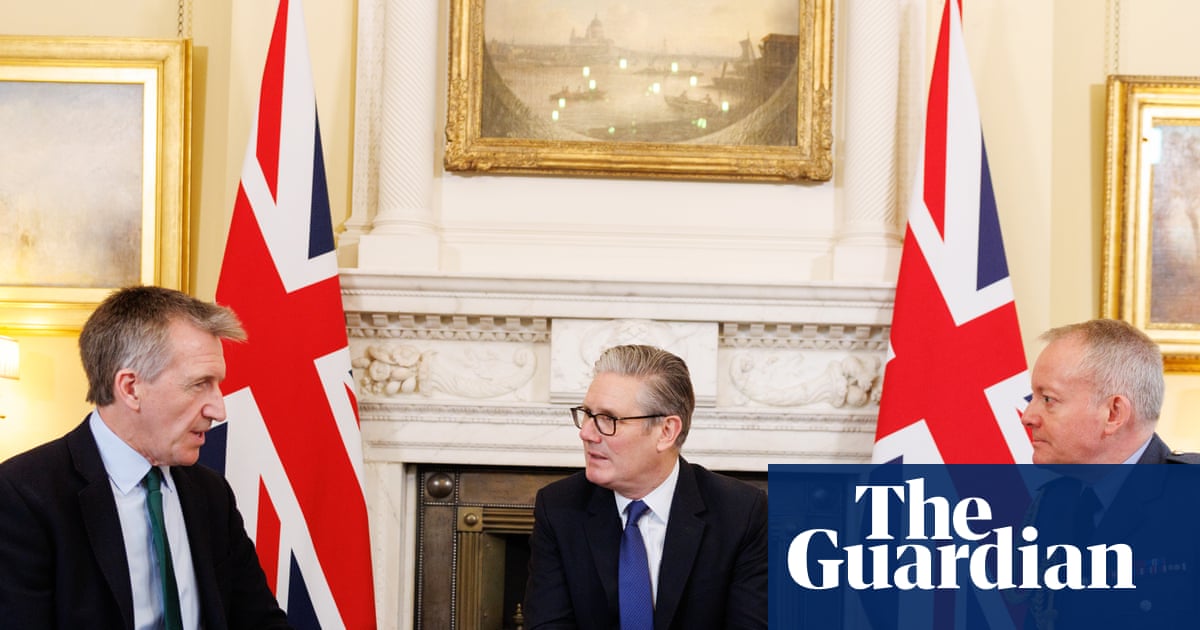
European defence shares fell as investors reassessed whether promised military spending increases in the UK and across Europe will be delivered on schedule. The selloff followed the resignation of UK Defence Secretary John Healey over a funding dispute and fresh doubts over major joint weapons projects.
European defence stocks retreated on Friday as investors grew less confident that promised higher military spending in the UK and across Europe will turn into timely orders, contracts and earnings.
The selloff came after a day of political and industrial friction that sharpened doubts about Europe’s rearmament plans. UK Defence Secretary John Healey resigned amid a dispute over defence funding, while separate reporting that France and Germany had abandoned their joint FCAS fighter-jet project reinforced concerns about Europe’s ability to coordinate major weapons programs.
Shares in major European defence names, including Rheinmetall, BAE Systems, Rolls-Royce, Thales, Leonardo and Dassault Aviation, fell as markets adjusted to the risk that budget promises may slip, backload or fall short of earlier expectations. The FT said the average price-to-forecast-earnings ratio of leading European defence stocks dropped from above 30 to 23.
Why investors are selling
The key concern is not whether Europe wants to spend more on defence. It is whether the money will arrive in budgets, procurement plans and industrial orders quickly enough to support the sector’s elevated valuations.
European defence equities had surged after Russia’s full-scale invasion of Ukraine in 2022, as investors bet that governments would commit to a long cycle of higher military outlays. That thesis is now under more pressure as budget negotiations, coalition politics and intergovernmental disputes slow delivery.
The result is a market that is still willing to price in a stronger defence cycle, but less willing to pay up for promises that are not yet reflected in concrete spending lines. For suppliers, the difference matters: valuations depend on multi-year contracts, not just headline pledges.
The UK funding row
The UK became the most visible symbol of that problem this week. Reporting indicated the Ministry of Defence had sought about £18 billion over four years but was offered £13.5 billion, a gap that Healey judged insufficient for the plans he wanted to defend.
The spending path under discussion would lift defence outlays to 2.68% of GDP by 2030, below the 3% he had wanted. The resignation turned a budget disagreement into a public signal that even one of Europe’s biggest military spenders is struggling to turn ambition into a settled funding plan.
Armed Forces Minister Al Carns also resigned and described the defence investment plan as underfunded and focused on outdated systems. Together, the resignations underscored how the dispute had moved beyond internal Treasury wrangling and into senior political turnover.
Broader European strain
The pressure is not limited to the UK. The FT reported that frontline NATO states such as Poland, Lithuania, Latvia and Estonia are committing more than 5% of GDP to defence, but larger European economies are facing tighter budgets and more political wrangling over how quickly they can follow through.
That split matters for suppliers and investors because Europe’s defence market is not one single spending stream. It is a patchwork of national budgets, procurement cycles and industrial priorities, and the biggest contracts often depend on coordination across governments with different fiscal constraints.
If those commitments are delayed, pushed back or reduced, analysts may need to reset earnings expectations again. The market’s reaction suggests that concern is no longer theoretical.
The FCAS setback
The collapse of the Franco-German FCAS project added another warning sign for the sector. Reporting said France and Germany abandoned the joint fighter-jet effort, highlighting persistent friction in Europe’s biggest multinational defence programs.
That matters because the European defence story is not only about higher national budgets. It is also about whether governments can use those budgets to build scale through shared procurement, common platforms and longer industrial pipelines.
The FCAS episode points to the opposite risk: that political disputes and industrial disagreements can slow or derail programs that were supposed to symbolise European coordination. For the market, that weakens the case that spending growth will automatically translate into smooth earnings growth for major contractors.
What investors are watching next
Investors will now watch for any revised UK defence investment plan and for signs that the government can clarify its budget path. Any change to the 2030 spending trajectory would matter for contractors, suppliers and the sector’s valuation reset.
They will also be looking for the next move in European defence indices and in the shares of major contractors after the selloff. If the pullback persists, it could signal that the market is moving from a simple “more defence spending” trade to a more selective view of which companies can actually convert political intent into revenue.
Beyond the UK, attention will stay on whether the FCAS breakdown leads Germany, France or Spain to redirect spending toward other programs, and whether NATO or EU institutions respond to the broader coordination problem. For now, the market message is clear: promises of more defence spending are no longer enough on their own.
Revision note
Initial automated publication.