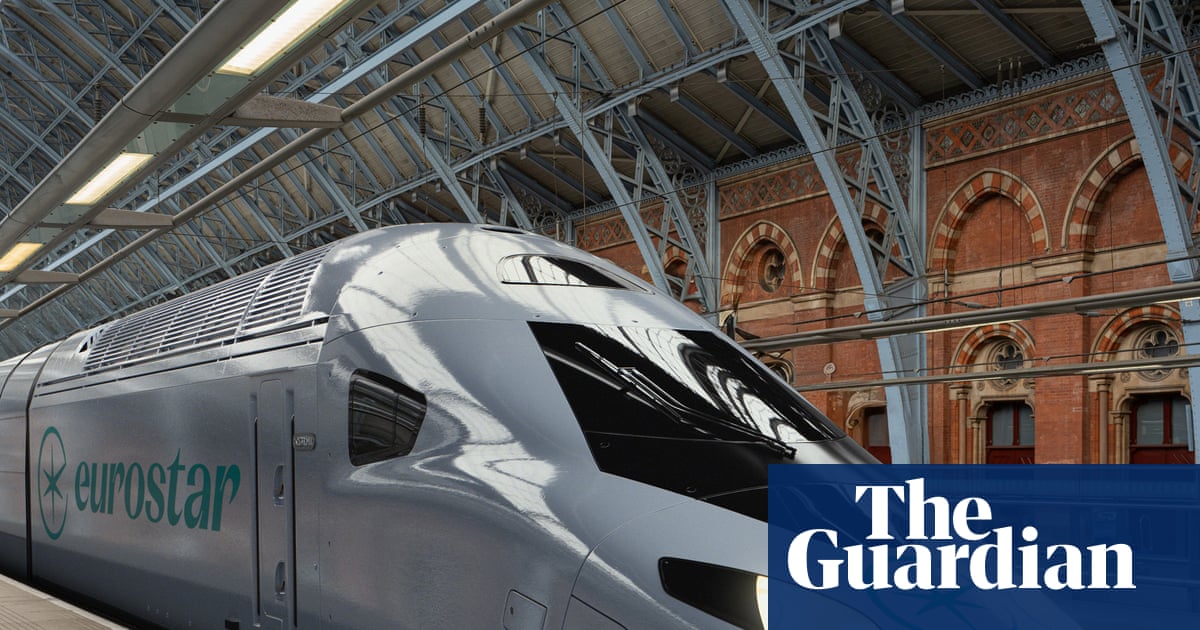
Eurostar has raised the heat tolerance for its new Alstom trains to 55C, up from 45C, as it plans for hotter European summers and trains that could remain in service into the 2060s.
Eurostar has changed the specification for its new train order so the fleet can operate in temperatures up to 55C, lifting the previous limit of 45C as European summers become hotter and more disruptive to rail operations.
The revised requirement comes as the cross-Channel operator plans for trains that it expects to remain in service into the 2060s. Chief executive Gwendoline Cazenave said the company has to design the fleet for the conditions it may face over its full working life, not just the climate seen today.
The order with Alstom covers up to 50 trains and has previously been described as a £1.7 billion deal. Eurostar has also said future fleet plans include double-decker trains.
Why Eurostar changed the spec
Eurostar said the higher heat tolerance is mainly affecting air-conditioning components and materials. The change is aimed at making the new trains more resilient to prolonged hot spells across the UK and continental Europe.
Cazenave linked the decision to longer and more intense heatwaves, saying the company has to plan for a much hotter operating environment over the decades ahead. The move reflects a longer-term engineering response rather than a short-term operating tweak.
The adjustment also shows how rail operators are increasingly treating climate resilience as a design issue. If a fleet is expected to last for roughly 30 years, Eurostar says its equipment choices have to anticipate conditions that may be normal well into the second half of the century.
Heat disruption and the Solstice Plan
Eurostar has already faced heat-related disruption in recent summers. The company says that experience helped prompt a broader response after the record summer of 2022, when it introduced what it calls its Solstice Plan.
That plan includes daily air-conditioning checks, extra depot repair capacity, faster handling of supplier parts, more bottled water for passengers in hot weather, and improved communications when disruption occurs.
The changes are intended to keep services running reliably while extreme heat becomes a more regular operational risk. Eurostar’s planning spans both passenger comfort and the technical demands of keeping equipment working in hot weather.
Wider climate stakes
The story goes beyond one train order. Cross-Channel rail services depend on rolling stock and infrastructure that can keep working during heatwaves, and the issue is becoming more important as European summers warm.
Eurostar’s decision fits a broader shift in transport planning, where operators are being pushed to design for higher temperatures and longer disruptions. The company’s updated specification is one example of how those climate risks are being translated into procurement and maintenance choices.
The key unknowns are commercial as well as technical. Eurostar has not said whether the higher heat tolerance changes the contract price or the delivery timetable, and it is still unclear whether the 55C specification applies to the full order or only some train types.
Eurostar has not yet issued a separate standalone technical release setting out the revised requirement in detail. For now, the company’s public comments suggest the change is part of a wider long-term resilience strategy rather than a one-off adjustment to a single summer forecast.
Revision note
Initial automated publication with expanded chronology and resilience context.