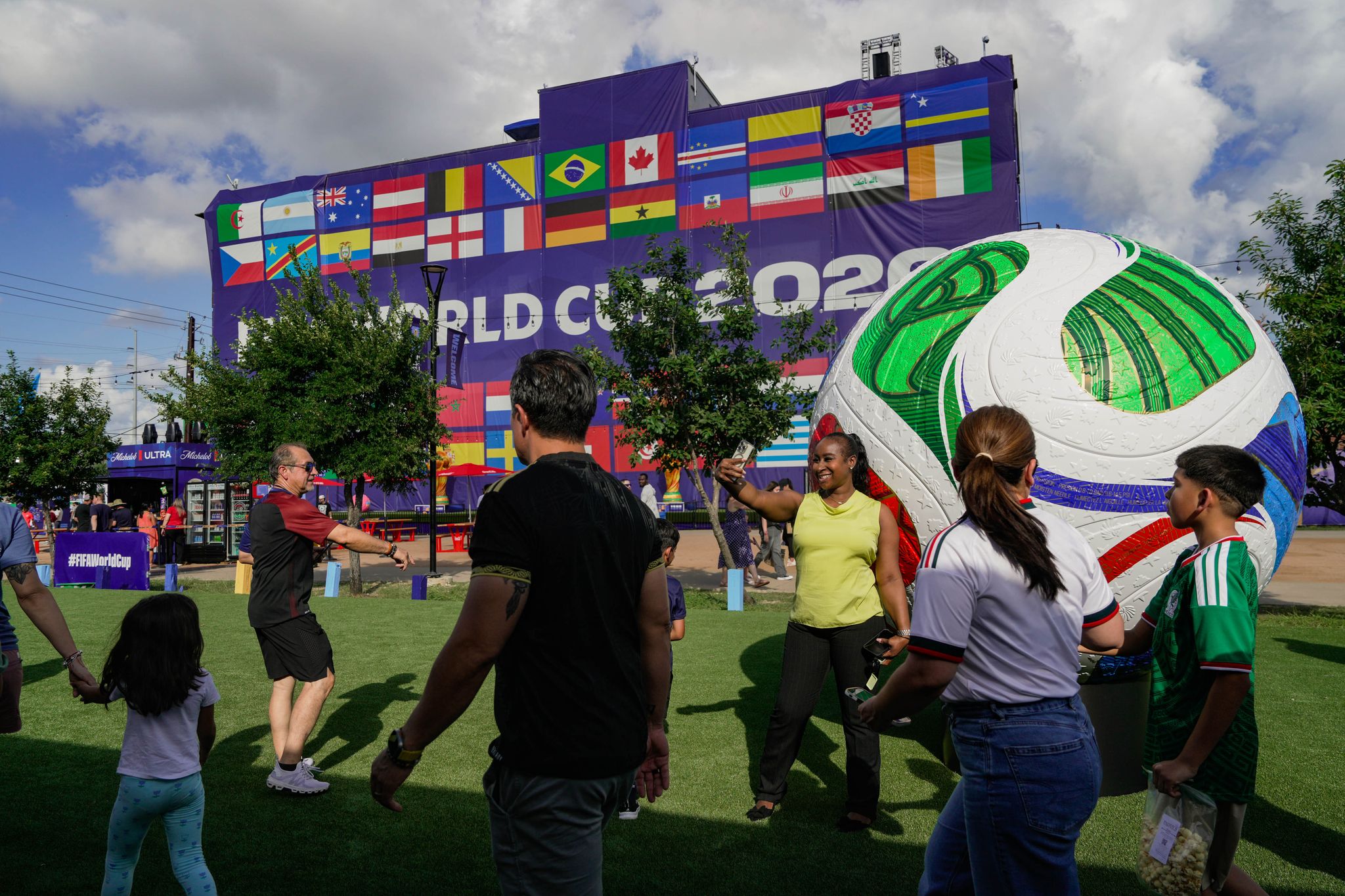
Texas World Cup logistics are taking shape city by city, with Houston steering fans to the Metro Red Line, Arlington using charter buses, and Houston Fan Fest already hitting capacity on opening day.
Houston and Dallas are taking different approaches to World Cup crowds, and those choices will shape how fans move to matches, where they gather before kickoff and how easily they can reach host-city sites.
Houston: rail access and a free fan fest
In Houston, FIFA is steering fans toward the Metro Red Line for stadium access. Houston Metro is keeping its regular fares during the tournament, including $1.25 bus and light-rail rides and Park-and-Ride fares that range from $2 to $4.50.
That matters because transportation costs can shape how many visitors use transit instead of driving or rideshare services. Houston's approach also keeps the system simple for local riders who already use Metro on normal fare levels.
Houston's FIFA Fan Fest opened in EaDo as a free, non-ticketed event. It is scheduled to run for 34 of the tournament's 39 days, giving fans a long stretch of public viewing and gathering space in the city.
The festival has entrances on Walker Street and Polk Street. Houston Chronicle reported that the site can hold up to 7,500 people at once, which makes crowd flow and entry timing part of the fan experience from the start.
That capacity became an immediate issue on opening day. Houston Chronicle reported the fan fest hit full capacity around 1:40 p.m., showing how quickly demand can overwhelm the site when high-interest matches begin.
Dallas and Arlington: buses, tickets and watch parties
The Dallas-area setup is different because Arlington does not have the same kind of direct stadium transit network Houston can use. Axios' Texas coverage said the plan relies on a charter bus service to connect Arlington with regional rail networks for match traffic.
AT&T Stadium in Arlington will host nine matches, and FIFA will call it Dallas Stadium during the tournament. Houston will host seven matches, making the two Texas host cities major but distinct logistics hubs.
Dallas-area fan watching is centered on Fair Park, which Axios described as the largest Dallas-area watch venue. Unlike Houston's open fan fest, the Dallas event requires free tickets, adding a layer of planning for fans who want to attend.
The Dallas fan festival also includes concerts with separate admission starting at $26. Coverage of the lineup says the Latin Legacy tour begins June 28 with MC Magic, Baby Bash and Lil Rob.
Crowd flow and what to watch next
Houston is also promoting walking, biking and public transit between the Fan Fest and Houston Stadium as part of the Green Corridor plan. That strategy is meant to reduce pressure on roads and parking while moving fans through the city.
The remaining operational questions are practical ones. Houston Metro may still add more service or extend hours on specific match days, Arlington and Dallas-area organizers may release more shuttle and parking guidance, and Houston Fan Fest could continue to hit capacity as more high-interest matches begin.
For fans, the core difference is straightforward: Houston is trying to make rail and transit the easiest option, while the Dallas-area plan depends more on buses, tickets and organized fan venues. Those choices will determine how crowded the approach routes feel once the tournament is in full swing.
Revision note
Expanded with full city-by-city logistics, fan-festival operations, transit details and live crowd-management context.