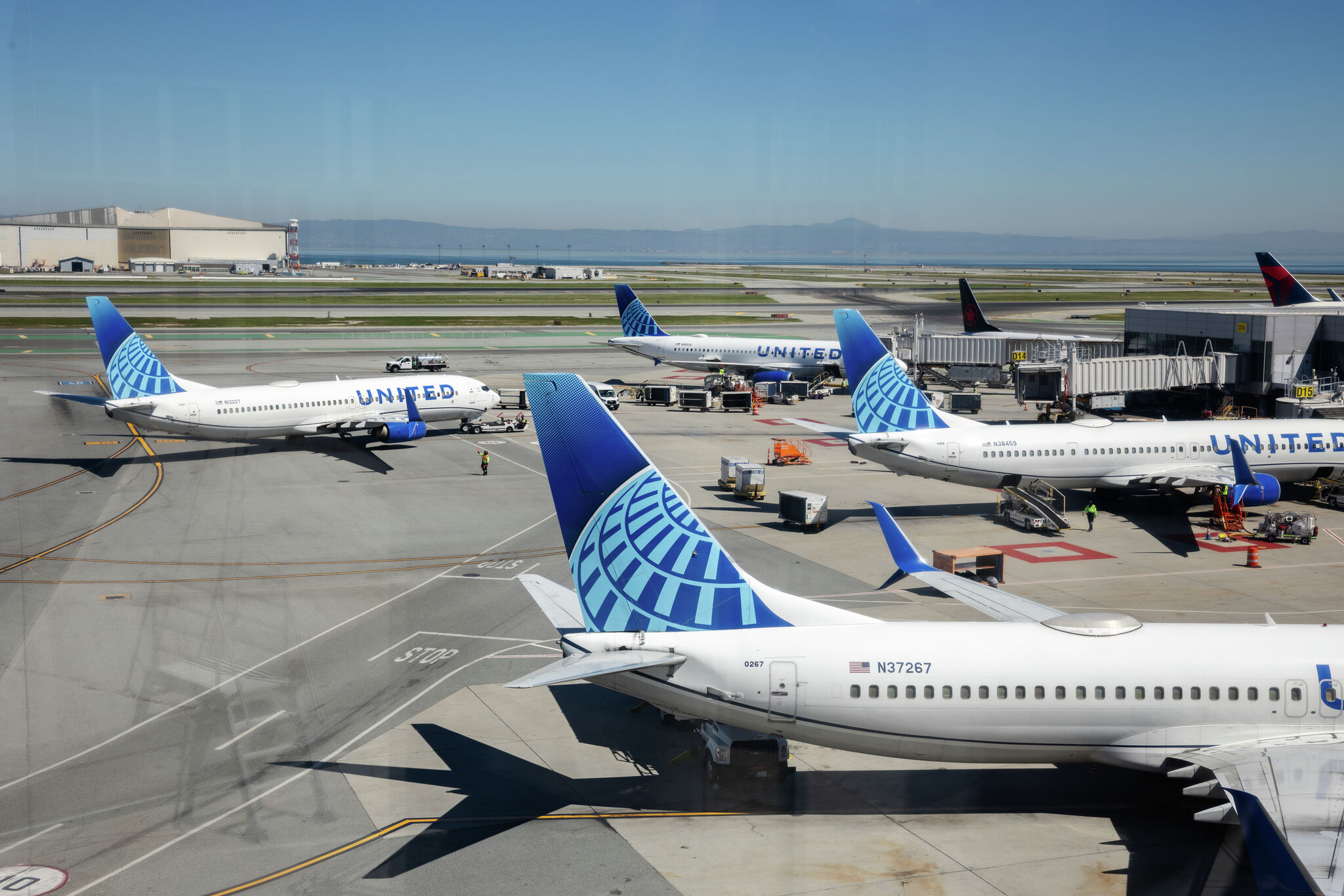
San Francisco International Airport’s average delay time rose to about 20 minutes between April 1 and June 10, 2026, from about 5 minutes in the same period last year. The spike tracks FAA arrival restrictions and runway construction, with the worst delays in the afternoon and evening and the best odds of on-time departures in the early morning.
San Francisco International Airport’s average delay time has quadrupled in the past year, with the biggest disruptions landing in the afternoon and evening and the best odds of an on-time departure in the early morning.
A San Francisco Chronicle analysis published Monday found that average delays at SFO rose to about 20 minutes between April 1 and June 10, 2026, from about 5 minutes during the same stretch in 2025. The share of flights delayed at least 15 minutes climbed from about 18% to about 41%.
The pattern matters for travelers trying to move through one of the Bay Area’s busiest airports. The heaviest delays came at the times of day when passengers are most likely to be heading out after work, making connections or beginning long-haul trips.
What changed at SFO
The delay spike followed two overlapping operational changes. In April, the Federal Aviation Administration put restrictions in place that ended parallel landings on SFO’s closely spaced east-west runways.
Separately, a runway construction project began March 30 and closed Runway 1 Right until Oct. 2. The work includes repaving, taxiway work, lighting upgrades and new markings.
SFO said it expected about 25% of flights to be delayed up to 30 minutes because of the FAA order and the construction work.
The airport is already constrained by its runway layout, which makes it harder to absorb disruption when arrival capacity is reduced and the schedule gets backed up later in the day.
The worst times to fly
The Chronicle’s analysis found the steepest delays in the afternoon and evening, with the highest concentrations around 1 p.m. and 9 p.m.
By contrast, early-morning flights were least affected. Departures at 5 a.m. and 7 a.m. had the lowest delay rates in the reporting window.
That timing pattern gives travelers a practical booking lesson: later flights are more exposed to cascading delays, while the first departures of the day have the best chance of leaving on schedule.
Which flights were hit hardest
Departures were delayed more often than arrivals, according to the Chronicle’s review. Domestic flights were also more affected than international flights.
Weather still plays a role at SFO, especially fog and high winds. But the recent increase in delays tracks the FAA restriction and runway work, not weather alone.
What happens next
The runway project is scheduled to run through Oct. 2, giving SFO and airlines several more months to manage the bottleneck.
SFO and the FAA will be watching whether further procedure changes can ease arrival capacity or stabilize delays before the construction window ends.
For travelers, the clearest takeaway is simple: if you can choose your flight time, book as early in the day as possible. If you cannot, build in extra time for ground delays and tight connections.
Revision note
Initial automated publication.