New World screwworm cases in Texas have risen to at least 16 animal infections, and reporting on June 24 says farm and ranch workers face the highest exposure because they work closest to livestock and may have trouble reaching care quickly.
New World screwworm is still mainly being treated as an animal-health crisis, but the latest reporting from Texas adds a worker-health warning: the people most likely to encounter the parasite are farm and ranch workers who spend the most time around livestock.
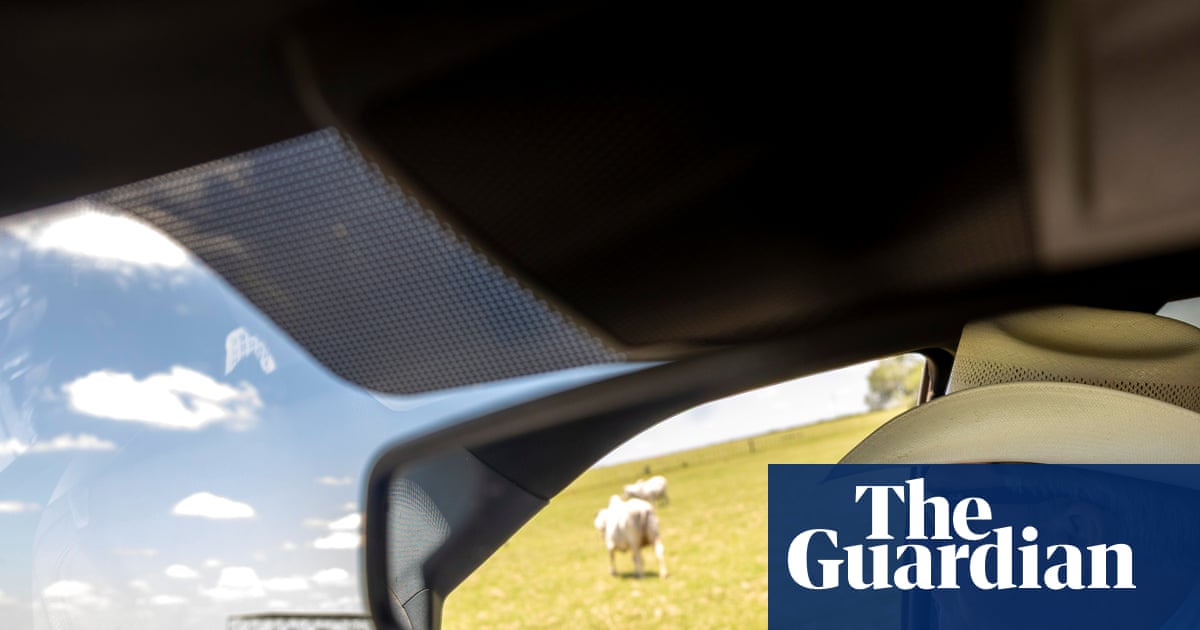
The Guardian reported on June 24 that screwworm had been detected in goats and sheep in three Texas counties, bringing the total to 16 known animal cases. Earlier reporting the same day from Axios cited 15 confirmed Texas cases, a sign that the numbers have been moving quickly as state and federal officials update the outbreak.
The outbreak is still concentrated in animals, and no human infections had been reported in the coverage reviewed. Even so, the public-health concern is no longer limited to cattle, sheep and goats. The people working in barns, pens and pastures are the ones most likely to be near an infected wound, and most likely to see the problem before it is widely recognized.
How the outbreak unfolded
The first Texas case was reported on June 4 in a calf in south Texas. Additional animal detections followed in Texas and New Mexico over the next two weeks, and the response has shifted from finding the first case to trying to contain a spreading outbreak.
Coverage reviewed for this report describes containment efforts centered on surveillance, quarantine-style controls and treatment of affected animals. Federal and state officials have also been adding inspectors and response staff, using new funding to expand the effort in Texas.
That expansion matters because the outbreak is no longer a single isolated detection. It has become a multi-county animal-health problem, with the possibility of further spread if infected animals are missed or movement controls fail.
Why workers are exposed
The screwworm fly lays eggs in wounds, and the larvae can infest injuries as small as a tick bite. That makes livestock workers a higher-risk group than the general public, even though the parasite is still primarily affecting animals.
Workers cited in the Guardian report said they were using long sleeves, long pants, gloves and hats to reduce exposure. Those precautions can help, but they do not eliminate the risk for people who spend long hours around livestock, helping with handling, treatment and wound care.
Rebekah Stewart of Migrant Clinicians Network said workers may miss surveillance and treatment because of long hours, remote living conditions, lack of insurance, language barriers and fear of immigration enforcement. Those barriers matter because a delay in noticing or treating a wound can give the parasite more time to spread.
The human-health gap
The key public-health concern is not that human cases have already been confirmed. It is that the people most exposed are often the least able to reach care quickly, especially in remote agricultural communities.
If a worker is injured while handling livestock, the difference between early wound care and delayed care can be significant. That is why the worker-risk angle has become part of the outbreak story alongside the veterinary response.
The reviewed reporting says officials and industry groups are urging wound care, screening and preventive livestock treatment. Those steps are designed both to protect animals and to reduce the chances that workers are exposed to an infested wound.
Ranchers and veterinarians adapt
Tom Paterson, president of the New Mexico Cattle Growers' Association, said ranchers have moved from simply describing screwworm to telling producers what to do when they encounter it. That reflects how quickly the outbreak has changed from an unfamiliar threat into a practical management problem.
Texas veterinarians are also warning pet owners as the parasite spreads, broadening the list of people who need to pay attention to wound checks and treatment. The focus remains on livestock, but the warning now extends to anyone caring for warm-blooded animals in the affected region.
The response from officials and producers is also being shaped by the memory of how screwworm was previously eliminated from the United States through a sterile-fly program. That history is part of why the current outbreak is being watched so closely: the species was pushed out before, but it is moving north again from Latin America.
What to watch next
USDA and Texas officials are being watched for updated case totals, changes to livestock movement rules and any new worker-specific guidance. The latest public reporting leaves open whether the current Texas count is 15 or 16, but the larger trend is clear: the outbreak is still active and being updated in real time.
The other major unknown is geographic spread. Researchers and officials are monitoring whether neighboring states report new detections in livestock or pets, and whether the affected area widens beyond the current Texas and New Mexico cases.
For now, the immediate risk is still concentrated in animals. But the people most likely to notice the parasite first are the ones working closest to the herds, and the access barriers they face could determine how quickly an infestation is found and treated.
Revision note
Initial automated publication with expanded chronology and worker-health framing.