The FDA has authorized emergency use of nitenpyram tablets for New World screwworm infestations in dogs and cats as the outbreak widens beyond livestock.
The Food and Drug Administration has issued an emergency authorization allowing nitenpyram tablets to be used against New World screwworm infestations in dogs and cats, giving pet owners and veterinarians a new option as the outbreak widens in Texas and New Mexico.
The action was first reported on June 11 and comes as federal and state officials try to stop the parasite from spreading further beyond livestock. Reporting said the authorization covers dogs, puppies, cats and kittens at least four weeks old and weighing at least two pounds.
HHS Secretary Robert F. Kennedy Jr. said the move is part of the federal effort to contain and eliminate New World screwworm. The outbreak has already prompted broader containment measures, including sterile-fly releases and movement restrictions.
Why the authorization matters
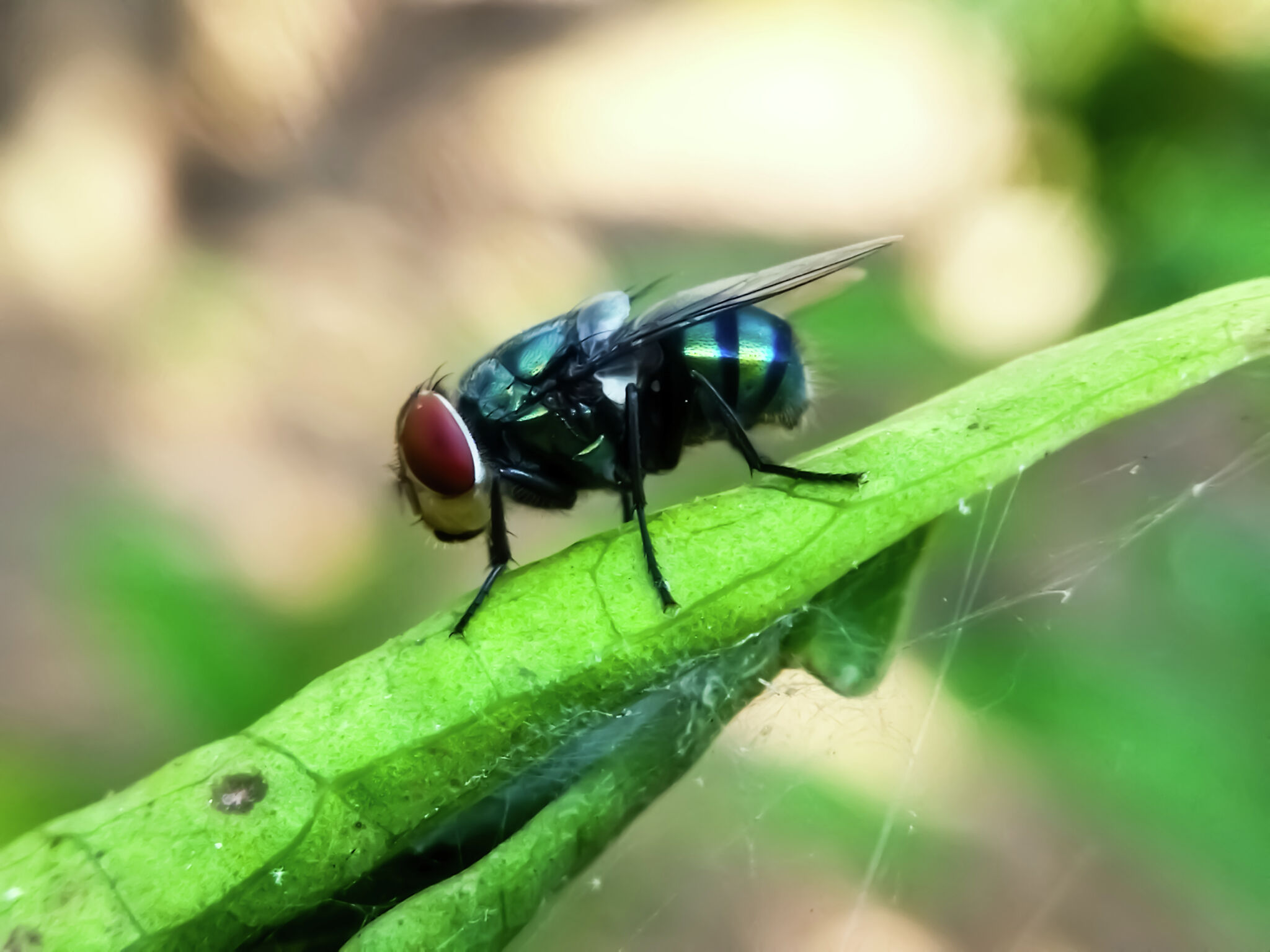
New World screwworm is a parasitic fly whose larvae feed on living flesh and can cause severe damage in infected animals. The pest had been eradicated from the United States for decades before the current detections, which is why the renewed spread has become a major animal-health concern.
Until now, much of the response has centered on livestock. The emergency use authorization extends that response to companion animals, reflecting concern that the outbreak is no longer limited to cattle and other farm animals.
How the outbreak spread
News coverage first identified a Texas calf case in early June. Additional reporting followed over the next several days as officials and journalists tracked new detections and a widening response across the region.
By June 11, reports said six to seven animal cases had been confirmed nationally, with multiple cases in Texas and one in New Mexico. The first non-livestock case was reported in a dog in New Mexico, which helped drive the push for a pet-specific emergency treatment option.
Texas counties mentioned across the coverage include Edwards, Gillespie, La Salle, Zavala and Andrews. Reporting also said a dog case had been confirmed in West Texas, underscoring that the outbreak has touched both livestock and pets.
Federal and state response
Federal and state agencies have leaned on a mix of containment tactics as they try to prevent wider spread. Those steps include sterile-fly control measures, movement restrictions and ongoing outbreak monitoring.
The latest authorization gives veterinarians a specific emergency tool while officials continue to watch whether more cases appear in Texas, New Mexico or neighboring states. It also comes as the federal government weighs additional steps on sterile-fly production and outbreak control.
What happens next
Officials have not yet publicly detailed every label limit or operational restriction tied to the emergency authorization, so some questions remain about how the treatment will be used in practice.
For now, the immediate significance is that pet owners in affected areas have a specific emergency treatment option while the broader eradication effort continues. The outbreak's next stage will depend on whether authorities can keep it from spreading further and whether additional animal cases change the scope of the response.
Revision note
Expanded initial coverage with outbreak chronology, animal scope, response context, and next steps.