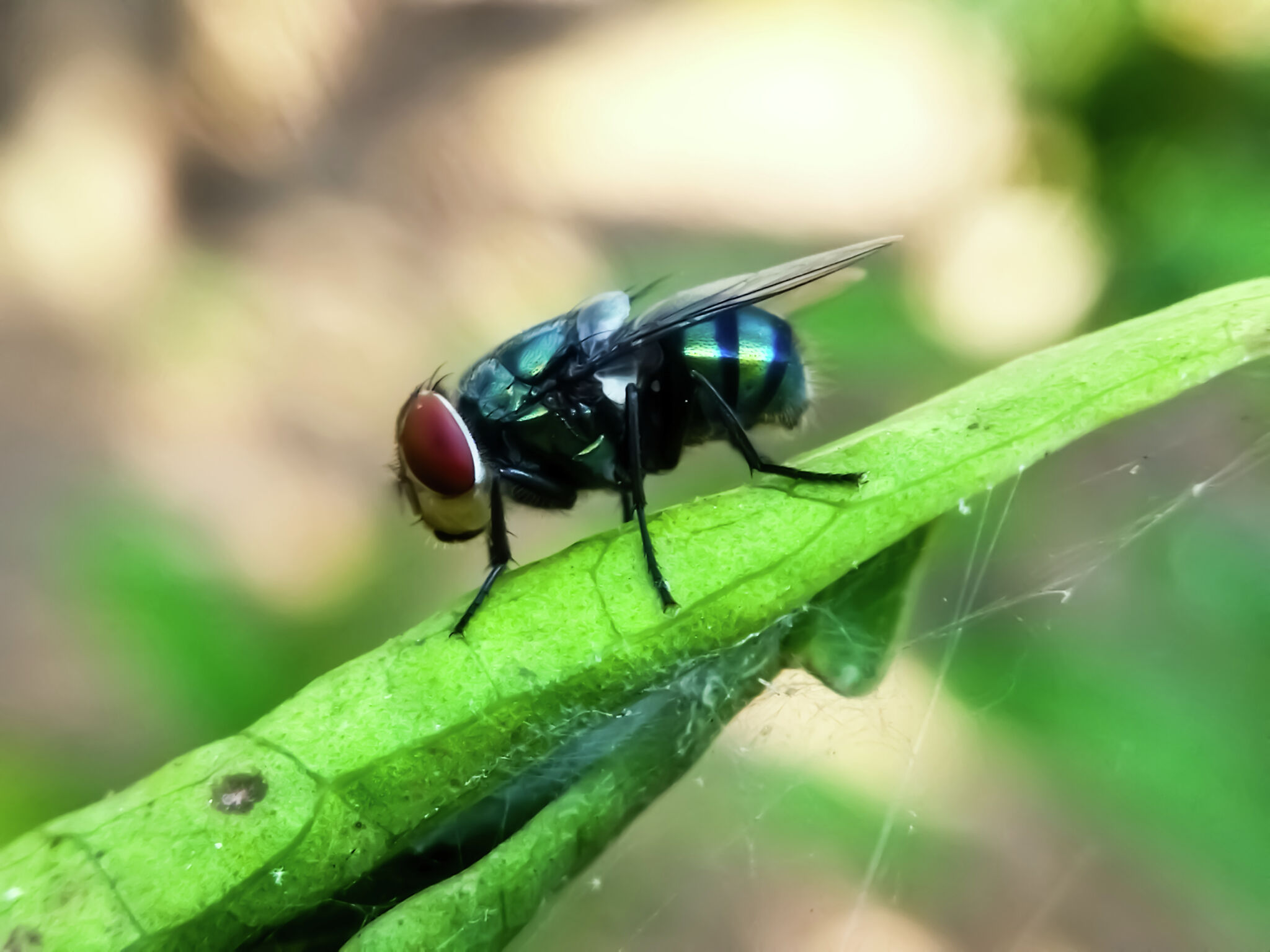
The FDA has authorized emergency use of nitenpyram tablets for dogs and cats as New World screwworm cases rise in Texas and the outbreak reaches pets.
The Food and Drug Administration has authorized emergency use of nitenpyram tablets to treat New World screwworm infestations in dogs and cats, adding a new tool to the federal response as cases continue to rise in Texas.
The authorization covers dogs, puppies, cats and kittens that are at least 4 weeks old and weigh at least 2 pounds, according to reporting on the June 11 announcement. HHS Secretary Robert F. Kennedy Jr. said the move is meant to provide a fast-acting and affordable treatment option and help stop the parasite from spreading farther in the United States.
The decision matters because the outbreak is no longer confined to livestock. Coverage says a dog in New Mexico became the first non-livestock animal infected in the U.S. outbreak, widening concern for pet owners, shelters and veterinarians.
Why the outbreak is drawing attention
New World screwworm is a flesh-eating parasite whose larvae infest wounds and feed on living tissue. It had been eradicated from the United States for decades, so the current resurgence has triggered close monitoring from federal and state officials.
The parasite is especially worrying because it can move quickly through animals with open wounds or other vulnerabilities, and because infestations can be harder to spot in free-roaming animals, strays, transported pets or recently rescued animals.
Texas cases keep building
USDA confirmed a New World screwworm case in a calf in Texas on June 3, starting the current public phase of the outbreak response. Additional Texas cases were reported as surveillance expanded, and by June 8 officials were broadening quarantine and monitoring efforts.
Public reporting on June 11 said the known U.S. cases were concentrated in Texas, with some count differences depending on whether reporters included an early dog case that was later reclassified to New Mexico. Reported Texas cases have included cattle and a goat.
That changing count is one reason officials are treating the outbreak as a live situation rather than a settled event. The case picture can shift as investigators sort out where an animal was infected and how to classify each detection.
A broader containment response
The emergency authorization is only one part of the response. State and federal officials have also been relying on quarantine zones, surveillance and sterile-fly releases to try to contain the parasite before it spreads more widely.
Those measures matter because screwworm control depends on both treatment and population suppression. The new pet authorization gives veterinarians another option, but the larger strategy still centers on finding cases quickly and limiting movement where the parasite is present.
What pet owners should watch
The FDA action is most relevant to pets that are more likely to encounter wounds, stray animals or settings where an infestation could go unnoticed. That includes animals with outdoor access, animals in shelters and animals that have recently been rescued or transported.
Coverage published alongside the FDA action said pet owners should watch for veterinary guidance as officials work out how the emergency authorization will be used in practice. The underlying questions now are how quickly the outbreak can be contained and whether additional treatment tools will be authorized if cases keep appearing.
What comes next
The next immediate milestone is the publication of the FDA or HHS authorization details and dosing guidance. USDA and Texas officials may also update case counts and county-level spread as surveillance continues.
Officials are also watching whether the outbreak remains limited to Texas and New Mexico or turns up in additional states. For now, the emergency authorization gives veterinarians and pet owners a new treatment option while the containment effort continues.
Revision note
Initial automated publication with expanded outbreak context.