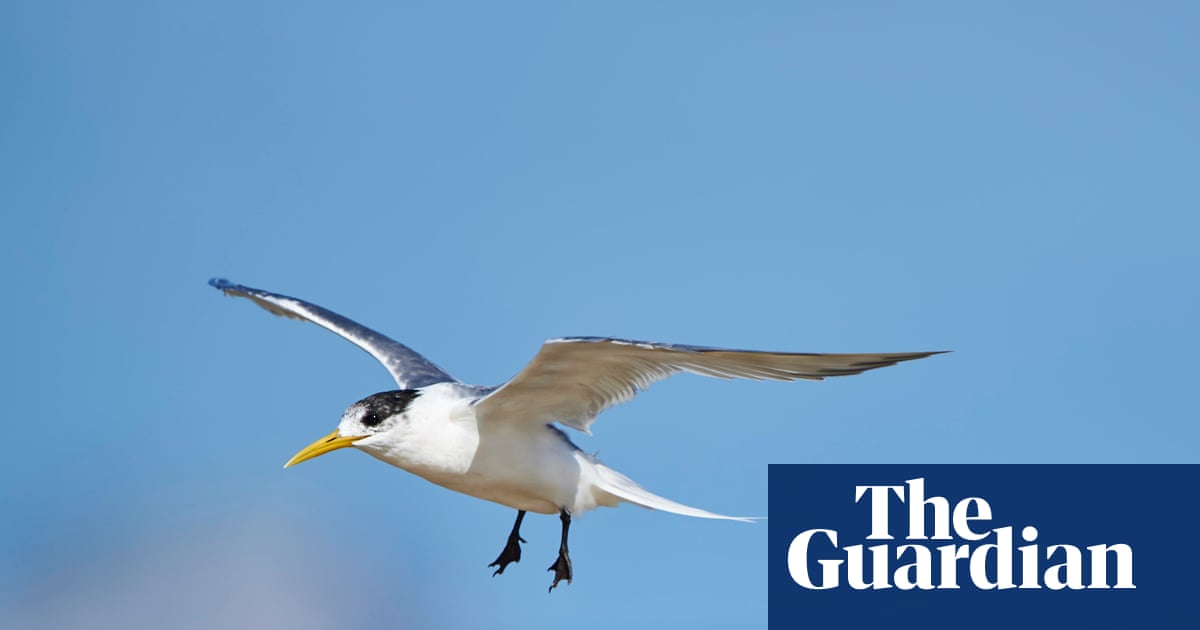
Australia has recorded its first H5 bird flu detection in a local seabird, a greater crested tern found at Robe on South Australia’s Limestone Coast. Officials say the result is concerning but not unexpected, and wildlife surveillance is being expanded to check for further spread.
What happened
Australia has confirmed its first H5 bird flu detection in a local seabird, after a greater crested tern found dead at Robe on South Australia’s Limestone Coast tested positive.
The finding marks a shift from earlier detections in migratory seabirds to a case in native wildlife on the mainland coast.
Federal Agriculture Minister Julie Collins said the result was concerning but not unexpected, and said Australia’s biosecurity system is working.
Why it matters
Officials have been watching for signs that the virus could spread beyond migratory birds into local wildlife. A case in a native seabird raises fresh questions about whether H5 is becoming more established in coastal species.
The main concerns are whether this remains an isolated spillover or whether more cases will emerge in South Australia or other states.
South Australian authorities had already carried out a large aerial survey of coastline, islands and reefs and said they had not found widespread evidence of sick or dead seabirds or seals.
Earlier detections
Before this case, H5 had been detected in migratory subantarctic seabirds, including giant petrels, in South Australia, Western Australia and New South Wales.
Recent reporting has also pointed to additional H5 cases being confirmed in South Australia and Western Australia, with some testing still pending.
What happens next
The South Australian government is leading the response and increasing wildlife surveillance to look for signs of spread.
Authorities will keep monitoring the coast and nearby islands, and further laboratory results may confirm whether other suspect birds are also H5 positive.
The public has been asked to report sick or dead birds through the emergency animal disease hotline.
Revision note
Initial automated publication.